Carlos J. Pérez Pulido is the founder of the ISHEA Institute — International System for Human–Ecological Advancement — and its Director of Research. He works from Bologna, Italy.
His research starts from a single question: when does a system keep energy and information in phase, and when does it lose them? He calls that condition coherence, and argues the same criterion reads a cell, a company and a country. His models follow from that: they do not describe three different worlds, but three scales of one.
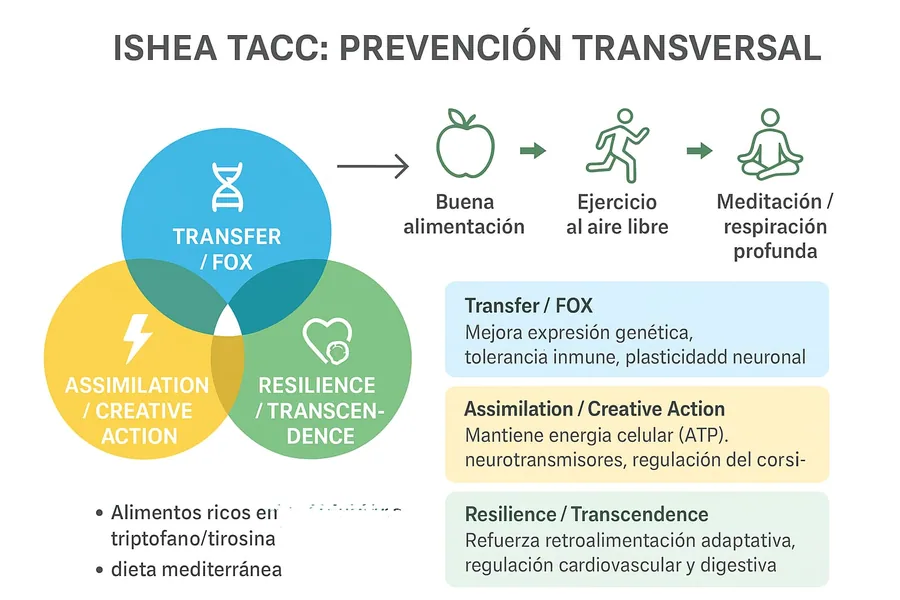
The programme is organised into three frameworks. ISHEA–BIO works at cellular scale — ATP, FOXP pathways, cortisol dynamics, NAD⁺ balance — treating the energy budget as the real limit on what an organism can think and repair. The K-Model measures the density and flow of knowledge across populations and organisations. And the EICI index, written as energy times information over friction, is the attempt to give all of it a form that can be computed and falsified.
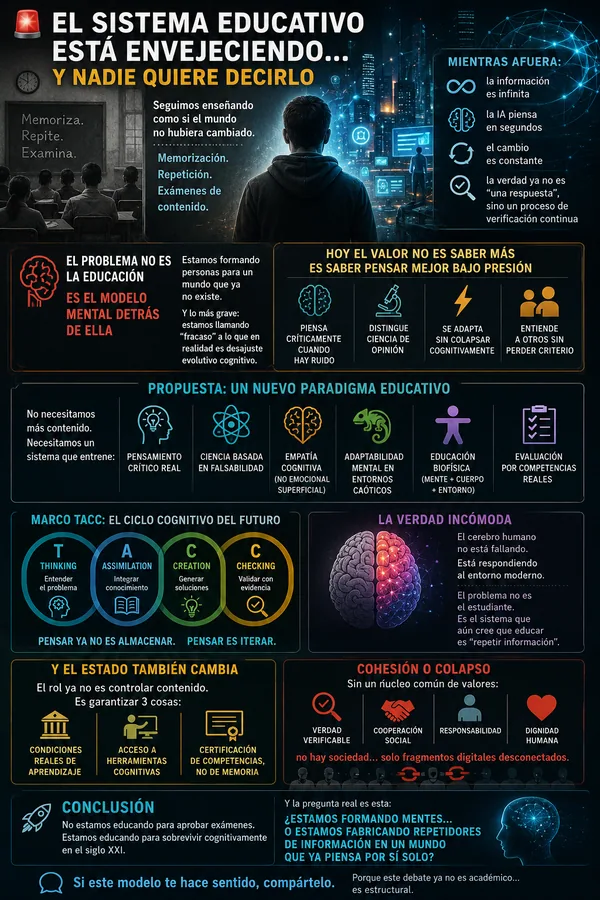
From that architecture come the ISHEA Index, the TACC cycle, the LEX subsystems, the HALO system and the Economy 5.0 proposal: measuring development by well-being, sustainability and institutional capacity rather than by GDP.
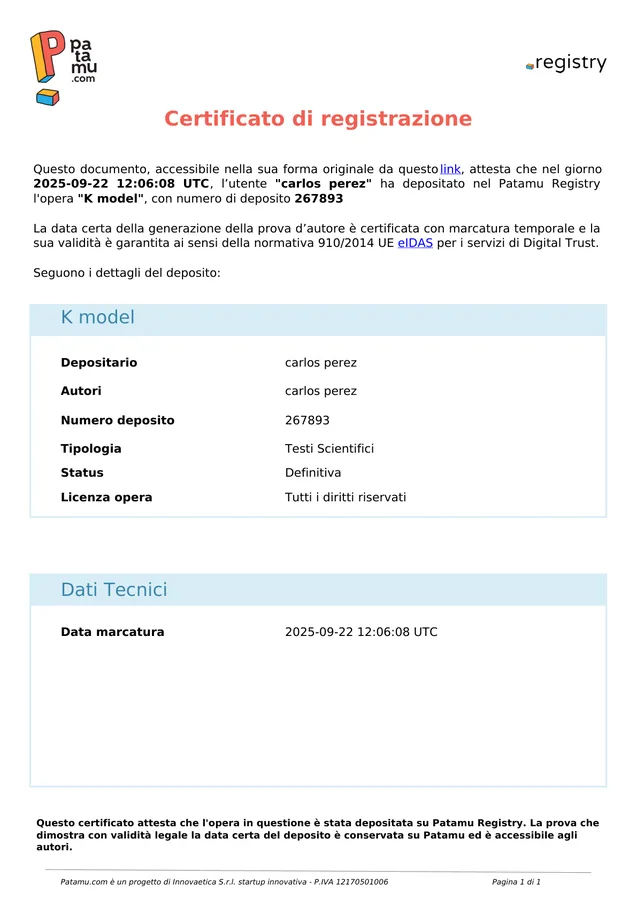
He is the author of “Biophysics: The Limit of Humanity”, on bioenergetic coherence and systemic thresholds, and “The Inverted Economy”, on knowledge density and sustainable value. He deposits his work in the open: the data, drafts and figures behind each piece sit on OSF with a DOI, and this gallery collects them all.
01
Macro
National systems, governance architectures and macroeconomic stability.
02
Meso
Enterprises, energy systems, cognitive economics and organisational innovation.
03
Micro
Bioenergetics, systems biology, physics, AI and consciousness studies.
Trajectory
Role
ISHEA Institute
Bologna, IT
Role
PepsiCo (United Kingdom) — Project
Leicester, GB
Studies
Universidad Central de Venezuela — Estudios internacionales
Caracas, VE
Studies
Université de Georgetown — Diploma finanzas
Washington, US