

Economía 5.0 · NOTA-ECO-001
Brasil 2026: el reality show político
Por Carlos J. Pérez Pulido · ISHEA Institute ·
Un expresidente en prisión, un antiguo preso de vuelta en el poder y el hijo del primero desafiando al segundo: las elecciones brasileñas de 2026 leídas como un guion que hasta Netflix juzgaría inverosímil.
Nota de divulgación — Escrito breve publicado en abierto. Pensamiento en curso, no resultado.
Pieza original en inglés.
🇧🇷📺 BRAZIL 2026: THE POLITICAL REALITY SHOW
Imagine pitching this script to Netflix:
An ex-president in prison.
A former prisoner back in power.
And now the son of the first challenging the second for Brazil’s presidency.
The producer would say:
Too much.
But this isn't television.
It's Brazil.
.
In Post 1, we looked at the rules of the game.
In Post 2, we looked at the board.
In Post 3, we looked at the groundplay — ports, bases, concessions, contracts, and the infrastructure where geopolitics becomes operational.
Now the game moves somewhere different:
The ballot box.
The final polls suggested a razor-thin race.
Then came the votes.
PLOT TWIST.
The actual count turned the script around.
Flávio Bolsonaro moved ahead.
Lula moved into second.
With neither candidate reaching the 50% threshold, Brazil is heading to a runoff on October 25.
The poll was a snapshot.
The ballot box is reality.
And this is where the series takes another step.
🇵🇪 Peru showed us the physical chokepoint.
🇵🇦 Panama, the legal and logistical chokepoint.
🇪🇨 Ecuador, operational capacity.
🇻🇪 Venezuela, strategic position.
🇧🇷 Brazil introduces something different:
the political inflection point.
Not a physical chokepoint.
Not a port.
Not a base.
Not a concession.
The vote itself becomes part of the strategic terrain.
Now comes Season 2.
Two finalists.
One enormous country.
Millions of votes still in play.
🎺 ENTER THE “DONROE DOCTRINE.”
A modern corollary to the Monroe Doctrine, the term has been used to describe the Trump administration's renewed emphasis on the Western Hemisphere in U.S. strategic thinking.
A new name for an old geographic question:
Who shapes the neighborhood?
Washington is watching.
Beijing is watching.
Latin America is watching.
Because Brazil isn't simply another election.
It is agriculture.
Energy.
Mining.
Industry.
Territory.
And strategic autonomy.
This brings us back to the larger map:
Domestic politics ↔ Geopolitics ↔ Infrastructure ↔ Supply Chains ↔ Business Risk
The groundplay has changed.
The terrain is now political.
So what happens next?
Alignment?
Autonomy?
Strategic balance?
For now:
WAIT & SEE MODE.
But the turn seems real.
And yes…
THE SHOW IS VERY MUCH ON. 🇧🇷📺
The groundplay has changed.
The terrain is now political.
Sources and election data in the first comment 👇
SOURCES
📰 Main election report
Reuters — Brazil election headed to runoff, projection shows, as Bolsonaro lead narrows
📊 Polling context before the vote
Reuters — Lula ahead in polls for Brazil's first-round vote; runoff likely
Datafolha — Final pre-election poll, as reported by Reuters.
🌎 Geopolitical context
Reuters — Pentagon seeks to rally Latin America behind new Monroe Doctrine — reporting on the so-called “Donroe Doctrine.”
#TheHemisphericGame #Brazil2026 #BrazilElection #Geopolitics #LatinAmerica #Geoeconomics #StrategicAutonomy #PoliticalRisk #DonroeDoctrine #ISHEA #Donroepolicy
En la misma sala — Economía 5.0
NOTA-ECO-002 · Economía 5.0
El tablero de Go en Latinoamérica: Venezuela, bisagra del nuevo «Escudo de las Américas»
Segunda entrega de una serie que lee América Latina como un tablero de Go: Venezuela se perfila como la bisagra del nuevo «Escudo de las Américas» y del cambio en la estrategia de Washington en la región.

NOTA-ECO-003 · Economía 5.0
¿Y si las variables con las que medimos el éxito de los países estuvieran al revés?
Durante décadas el progreso se ha medido con PIB, productividad, crecimiento y energía. Esta pieza plantea que esas variables podrían estar invertidas y pide repensar qué significa que un país prospere.
NOTA-ECO-004 · Economía 5.0
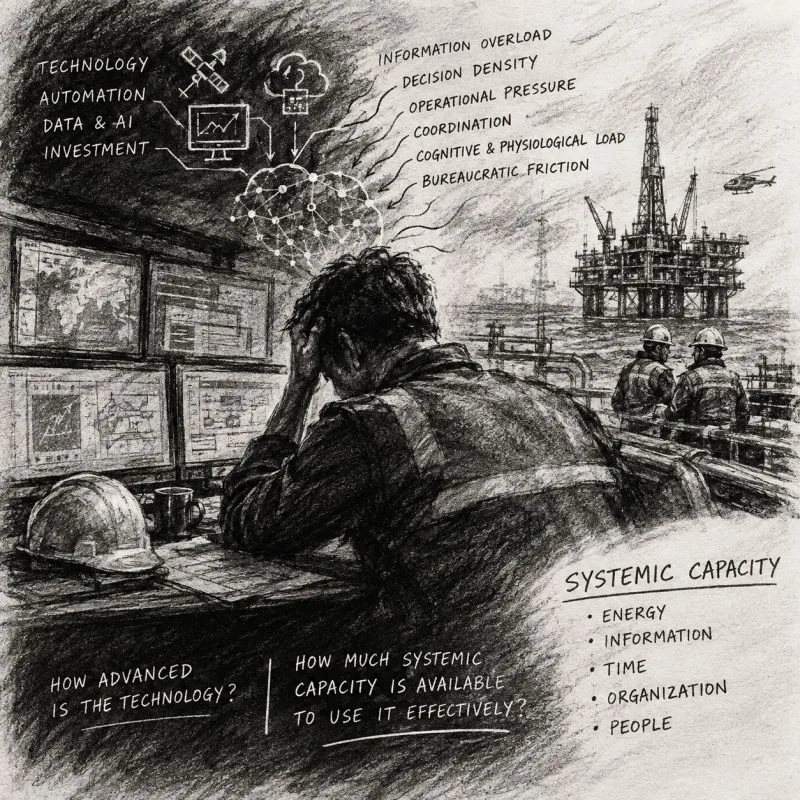
¿Por qué fallan los sistemas de alta ingeniería cuando la tecnología es más avanzada?
En Oil & Gas y otras operaciones complejas, más tecnología no garantiza mejores decisiones: esta pieza estudia la capacidad sistémica, lo que un sistema puede absorber y convertir en acción bajo presión.