

Sistemas planetarios · NOTA-PLA-014
LEX en acción: cuando un sistema revela si reaccionamos o creamos
Por Carlos J. Pérez Pulido · ISHEA Institute ·
Ante un mismo choque, unos sistemas colapsan y otros resisten. Esta pieza aplica LEX a casos reales, como Brasil, para leer la diferencia entre reaccionar y crear bajo presión.
Nota de divulgación — Escrito breve publicado en abierto. Pensamiento en curso, no resultado.
Pieza original en inglés.
🔥 LEX in Action: When a System Shows if We React or Create
History shows that not all systems respond the same under stress.
The same shock can lead to collapse… or resilience.
🐝 Case 1: Brazil (Africanized Bees)
In 1956, the introduction of African bees changed local beekeeping.
Swarms became more aggressive
Beekeepers had to use more protection and change practices
👉 Outcome: survival, but at a high cost
🇦🇺 Case 2: Australia (European Bees)
The European bee population remained stable.
Swarms were cooperative
Beekeepers maintained safe, sustainable practices
👉 Outcome: stability and resilience
📌 Lesson from LEX:
The shock was the same, but the outcome differed.
Why? LEX measures is translated into action:
Brazil → defensive reaction
Australia → sustainable cooperation
🌍 Human systems today follow the same pattern:
A war, a pandemic, economic shocks…
Some countries react with control and fear
Others convert into cooperation and innovation
🌱 Conclusion:
LEX is a lens that shows whether societies expend energy reacting or invest it in creating.
👉 Takeaway for modern societies: to achieve resilience, focus on creation over reaction — moving from a tense hive to a resilient swarm.
💡 Question:
Do you feel your country responds more like Brazil (reactive) or Australia (resilient)?
#Resilience #SystemsThinking #CollectiveAction #Innovation #SocialSystems #Economy5_0
En la misma sala — Sistemas planetarios
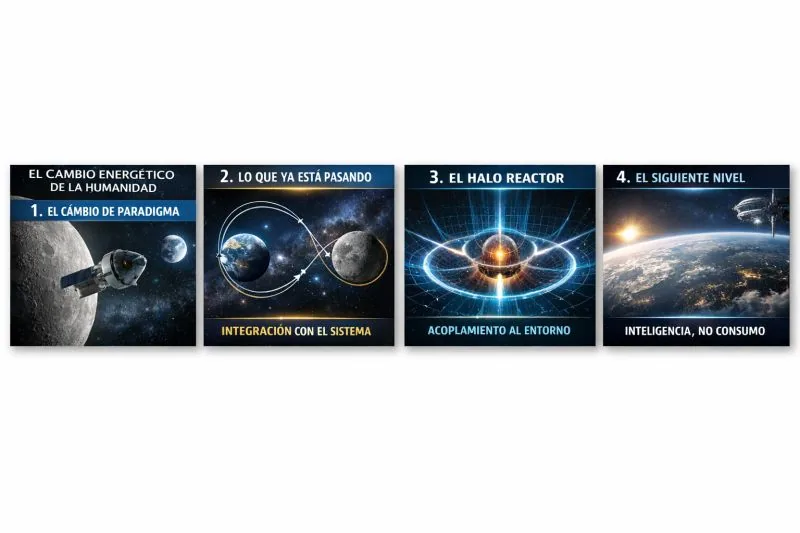
NOTA-PLA-001 · Sistemas planetarios
3/4. El HALO Reactor no es un reactor
Tercera entrega de la serie: el HALO Reactor no quema ni consume combustible. La pieza desmonta la idea clásica de reactor para explicar un sistema que organiza la energía en lugar de gastarla.
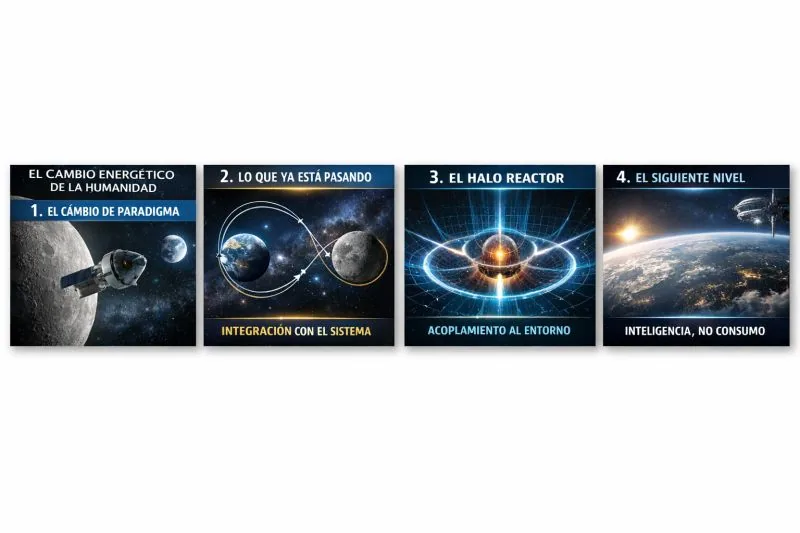
NOTA-PLA-002 · Sistemas planetarios
Energía coherente: de Artemis a HALO
No es una historia sobre cohetes, sino sobre el principio invisible que la naturaleza usa para sostener sistemas complejos y que hoy redefine el diseño de misiones y máquinas.
SN-PLA-003 · Sistemas planetarios
Integración de flujos energéticos planetarios, ciclos solares y dinámica de biosistemas
El índice de flujo energético planetario enlaza ciclos solares, química estratosférica y bioenergética dentro del marco HALO, y tiende un puente reproducible entre la ciencia planetaria y la biológica