

Economia 5.0 · NOTA-ECO-052
Sei uova costavano una sterlina
Di Carlos J. Pérez Pulido · ISHEA Institute ·
Oggi costano quasi il doppio, e non solo le uova: anche latte e pane. Prova visibile di una trasformazione strutturale globale che molti continuano ad analizzare a pezzi.
Nota divulgativa — Testo breve pubblicato in aperto. Pensiero in corso, non risultato.
Opera originale in inglese.
“Six eggs used to cost £1…” 🥚
Today they cost almost double.
And this is not only about eggs, milk or bread. 🥛🍞
It is visible evidence of a deeper global structural transformation many still analyze separately.
The current inflationary environment did not emerge from a single cause.
It was a chain reaction:
→ Pandemic = massive liquidity injections by governments and central banks 💸
→ Green transition policies = industrial and energy bottlenecks ⚡
→ Ukraine war = shock on oil, gas, grains, fertilizers and logistics 🌍
→ Red Sea / Hormuz effect = maritime risk, insurance and energy volatility 🚢
→ Supply chain fragility = higher transport and production costs 📦
→ Energy dependency = multiplier effect across every sector ⛽
The result:
• Structurally higher food prices 📈
• Pressure on middle classes
• Farmers and producers absorbing losses 🚜
• Governments with less fiscal flexibility 🏛️
• Consumers changing habits and priorities
And yet, many supermarkets are not even significantly increasing profit margins.
The BBC analysis shows how much of the system is simply trying to survive inside an increasingly fragile economic environment.
The real question is no longer:
“How expensive is food?”
The real question is:
What governance model can sustain social stability, energy transition, food security and economic coherence simultaneously? 🌐
Perhaps we are entering a new stage:
A New Governance Framework.
Less narrative.
More resilient systems.
More coherence between energy, economy, technology and society.
Because in the end, the price of an egg never speaks only about eggs.
It speaks about the condition of the entire system.
From an ISHEA perspective, inflation is not merely a monetary phenomenon — it is a coherence phenomenon between energy, logistics, governance, production and human systems.
📖 BBC analysis:
https://lnkd.in/dSSGwqeM
📌📌 PD
Interpretation based on macroeconomic evidence from the International Monetary Fund and the European Central Bank, and journalistic reporting such as BBC.
This is not a single-cause model, but a systems view of interacting shocks shaping price dynamics.
#ISHEA #Economy #Inflation #FoodSecurity #Energy #Geopolitics #SupplyChains #Governance #UK #Europe #Economics #Future
Nella stessa sala — Economia 5.0

NOTA-ECO-001 · Economia 5.0
E se le variabili con cui misuriamo il successo dei Paesi fossero del tutto capovolte?
Da decenni il progresso si misura con PIL, produttività, crescita ed energia. Questo testo sostiene che quelle variabili potrebbero essere capovolte e invita a ripensare che cosa significhi, per un Paese, prosperare.
NOTA-ECO-002 · Economia 5.0
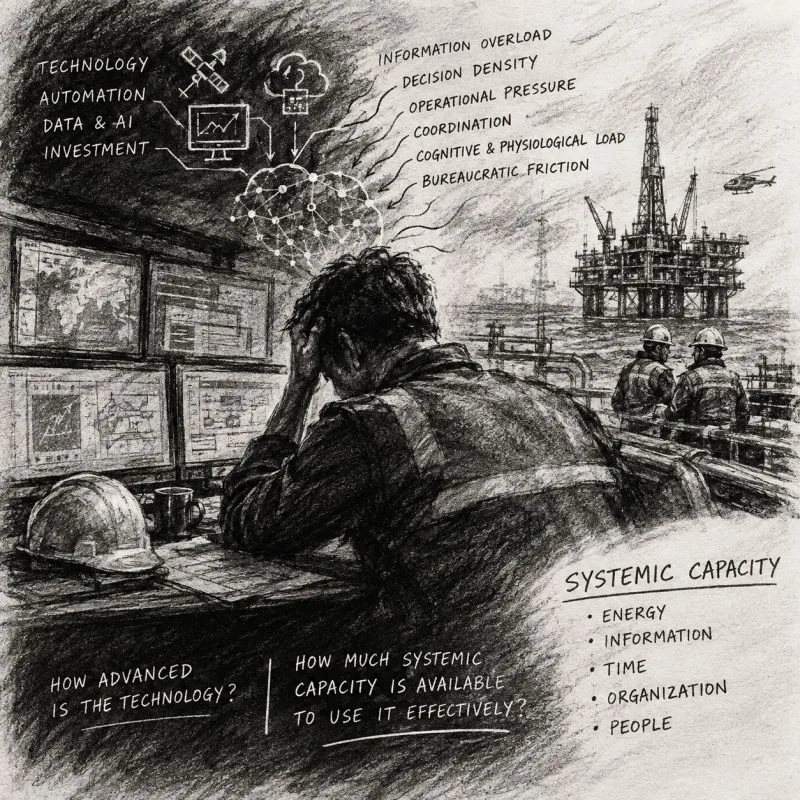
Perché l’alta ingegneria sbaglia proprio quando la tecnologia è più avanzata?
Nell’Oil & Gas e in altre operazioni complesse, più tecnologia non garantisce decisioni migliori: questo testo indaga la capacità sistemica, quanto un sistema sa assorbire e tradurre in azione sotto pressione.

NOTA-ECO-003 · Economia 5.0
Frankenstein e il petrolio: perché il Venezuela torna a contare nella geopolitica?
Terza puntata della serie: dopo il passaggio dal capitale all'IA e alla concentrazione finanziaria, emerge il nuovo collo di bottiglia, il petrolio, e con esso il Venezuela torna sullo scacchiere geopolitico.