

Bioenergetics · NOTA-BIO-062
Artemis vs. Apollo: Same Moon, Different Efficiency
By Carlos J. Pérez Pulido · ISHEA Institute ·
Sixty years separate Apollo from Artemis II, yet the destination is unchanged. The piece compares both missions to ask what has truly changed in the energy efficiency of flying to the Moon.
Note — Short piece published openly. Thinking in progress, not a result.
Original piece in Spanish.
🚀 Artemis vs. Apolo: LIFT OFF!
¿Misma misión, diferente eficiencia?
"Lecciones de 60 años de exploración lunar: ¿Qué cambió y qué no?"
Hace poco revisé imágenes de Artemis II y pensé:
“El cohete se parece mucho al de Apolo… ¿qué cambió realmente?”
Me recordó docuseries, films e incluso el espectacular museo de la NASA.
Esto encontré.
🔧 1. El “cohete madre”
El Saturn V (Apolo) medía 110 m y generaba 7.6 millones de libras de empuje.
El SLS (Artemis) mide 98 m, pero genera más: 8.8 millones.
Hasta ahí, evolución.
Pero hay un detalle clave:
👉 Ambos son 100% expendables.
El SLS usa motores RS-25 diseñados para más de 100 vuelos…
y aun así se usan una sola vez y se descartan.
El costo también cambió:
Apolo: ~$1.2–1.4B por lanzamiento
Artemis: ~$2–4B
💡 2. La paradoja
No es que falte tecnología.
Es que no se implementó la reutilización.
Los motores pueden reutilizarse.
Los boosters ya se recuperaban en el Shuttle.
Pero el sistema se diseñó como expendable para reducir riesgo operativo.
Trade-off claro:
Menor complejidad → Mayor costo.
🌍 3. Objetivos diferentes
Apolo buscaba llegar primero.
Artemis busca quedarse.
Antes: bandera y muestras.
Ahora: polo sur, recursos, infraestructura, Marte.
La misión cambió.
La eficiencia del sistema… sigue en debate.
📊 4. El modelo real
Artemis no es solo SLS.
Es un sistema híbrido:
🚀 SLS (NASA): lanzador expendable
🛰️ Orion: cápsula tripulada
🌙 Starship (SpaceX): lander reutilizable
🌙 Blue Moon (Blue Origin): en desarrollo
👉 NASA mantiene control y estabilidad
👉 El sector privado impulsa reducción de costos y velocidad
🎯 5. La pregunta clave
> Si el objetivo es presencia sostenida…
¿tiene sentido perder el lanzador en cada misión?
💭 Lectura desde ISHEA-K
Esto no es un error técnico.
Es un diseño.
Maximiza C (coherencia):
→ seguridad
→ estabilidad
→ tecnología validada
Pero genera F (fricción):
→ costos altos
→ baja frecuencia
→ menos aprendizaje
Y limita E (energía del sistema):
→ menos misiones
→ menor evolución
Resultado: un sistema robusto… pero difícil de escalar.
🚀 Aquí está el punto clave:
> La nueva carrera espacial no la ganará quien llegue primero.
La ganará quien pueda sostener el sistema en el tiempo.
En sistemas complejos:
No gana el más potente.
No gana el más rápido.
Gana el más coherente energéticamente.
🌍 Lo que vemos no es solo ingeniería.
Es el choque entre dos modelos:
🏛️ Control institucional
⚡ Innovación exponencial
Artemis no compite contra Apolo.
Compite contra el futuro.
💡 La verdadera pregunta:
> ¿Qué sistema puede hacer 1 misión…
y cuál puede hacer 1,000?
📊 Porque al final:
No se trata de llegar a la Luna.
Se trata de quedarse… y sostenerlo.
FTE .The New York Times - "NASA's Artemis II Mission" (Marzo 2026)
>NYT :https://lnkd.in/eyRcpSxZ
Datos de fuentes confiables (NYT + NASA OIG)
#Artemis #NASA #Espacio #Innovación #ISHEA 🚀
In the same room — Bioenergetics
NOTA-BIO-001 · Bioenergetics
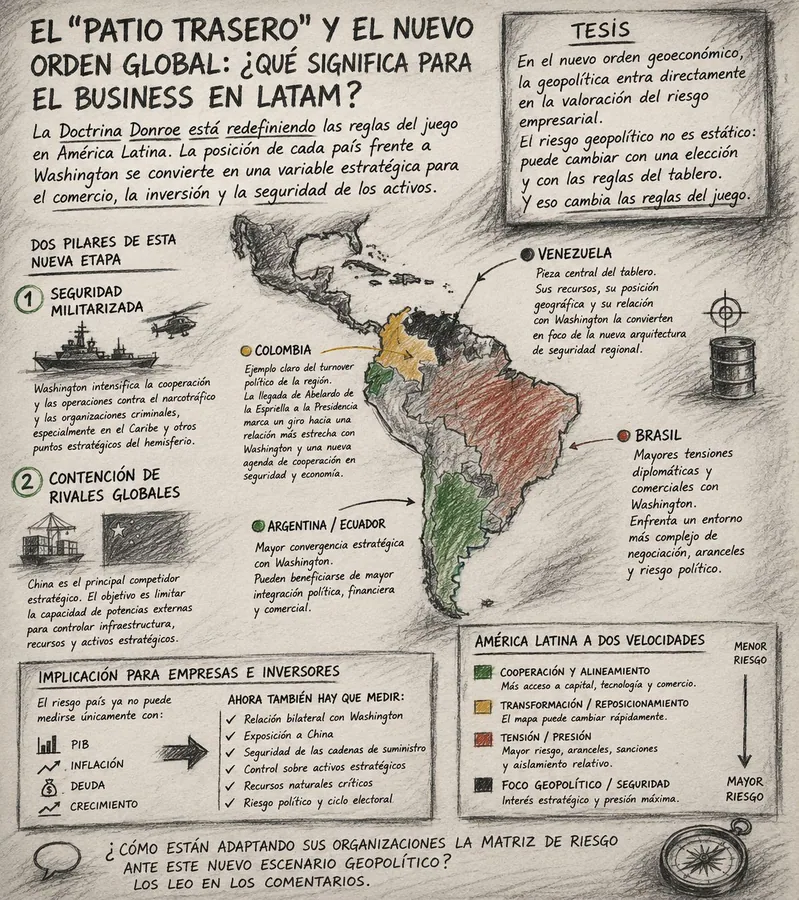
The “Backyard” and the New Global Order: What Does It Mean for the Business Plan in LatAm?
An analysis of how the so-called Donroe Doctrine has turned the “backyard” metaphor into explicit policy, and what that shift means for any business plan built for Latin America.

NOTA-BIO-002 · Bioenergetics
Why do the most efficient workers slow down midway through the workday?
For operations directors and logistics managers: a bioenergetic reading of why top performers lose productivity midway through the workday, a pattern many see and few explain.
NOTA-BIO-003 · Bioenergetics
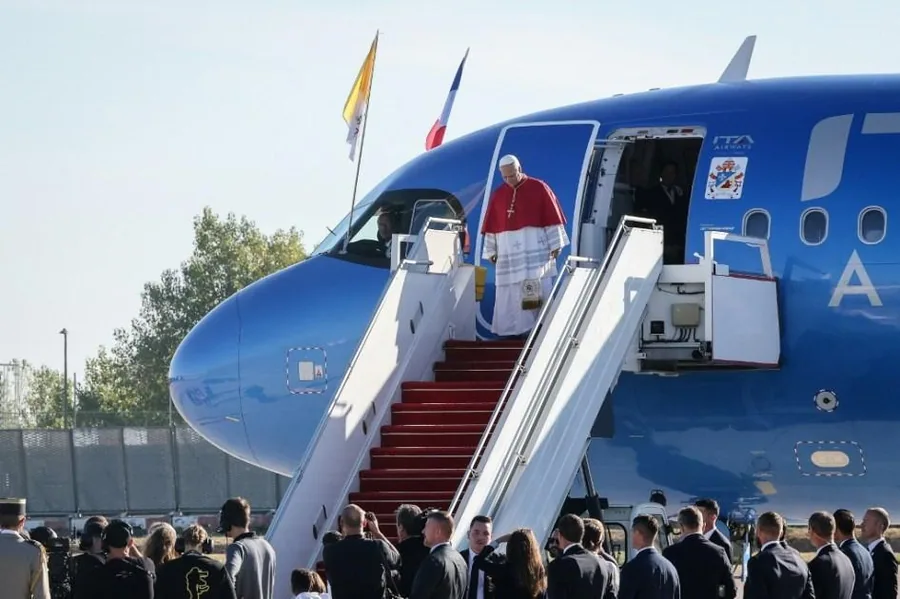
Threat or opportunity? Artificial intelligence and our creative capacity
Responding to Pope Leo XIV’s call to “disarm AI”, this piece argues that the risk lies not in the technology but in the human system using it: well designed, AI can free up creative capacity.