

Bioenergetics · NOTA-BIO-129
Bureaucracy versus Entrepreneurship: Who Really Slows Progress?
By Carlos J. Pérez Pulido · ISHEA Institute ·
A reading of the Bank of Spain's 2025 report on regulatory complexity: how much of a country's business energy is spent on paperwork instead of invested in creation.
Note — Short piece published openly. Thinking in progress, not a result.
Original piece in Spanish.
🌐 Burocracia vs Emprendimiento: ¿quién frena el progreso real?
Según el Banco de España (2025), la complejidad normativa en España funciona como un freno para la actividad empresarial y el crecimiento económico. La normativa fragmentada y la burocracia aumentan los costos de las empresas, desincentivan la innovación y especialmente afectan a los emprendedores, que son el motor del progreso. Lejos de proteger al consumidor, muchas reglas terminan consolidando la burocracia estatal.
Desde la perspectiva del Índice de Satisfacción Humana Expandida (ISHEA):
Progreso Ajustado: La rigidez normativa limita el desarrollo estructural de la sociedad.
Delta Fiscal: La carga fiscal excesiva penaliza la iniciativa privada y refuerza la burocracia, no el bienestar.
Bienestar Humano: Sin un ecosistema que fomente la iniciativa y reduzca barreras, el bienestar general se estanca.
💡 Reflexión ISHEA:
El verdadero motor del progreso no es la acumulación de normas, sino la capacidad de emprender. En la pregunta clásica del huevo y la gallina, ISHEA responde: el emprendedor es primero; genera trabajo, innovación y bienestar.
✅ Conclusión: simplificar la regulación, ajustar la fiscalidad y liberar al talento es la única defensa real de la sociedad, mucho más que blindar estructuras burocráticas.
📌 Referencia: Mora-Sanguinetti, J. S. (2025). La complejidad normativa en España: un freno para las empresas y el crecimiento económico. Banco de España. Enlace
In the same room — Bioenergetics
NOTA-BIO-001 · Bioenergetics
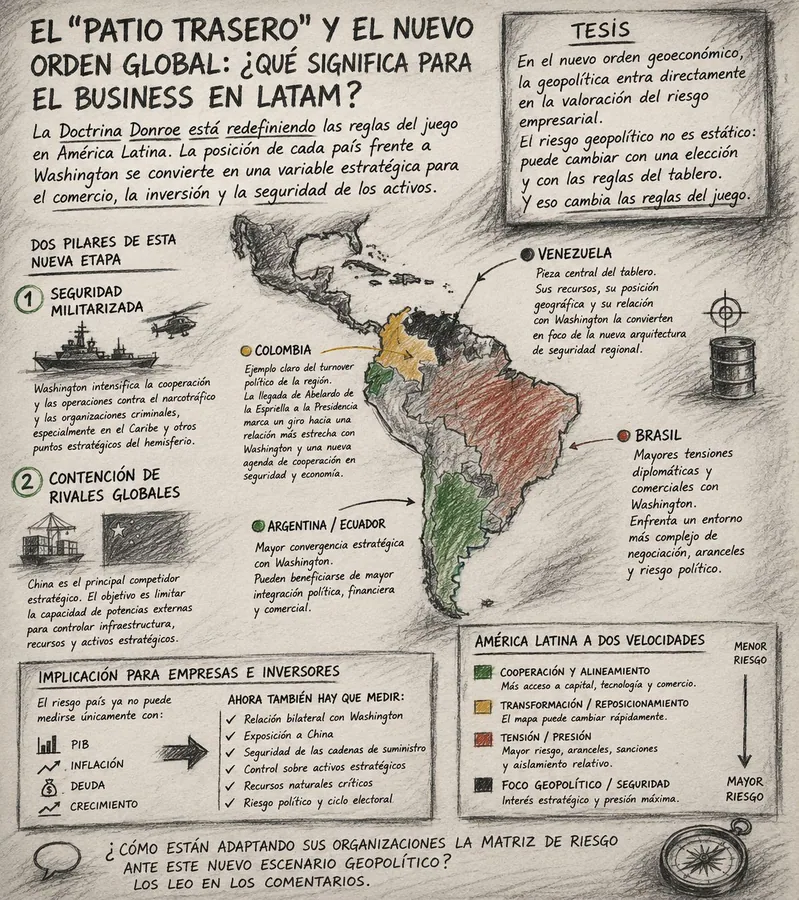
The “Backyard” and the New Global Order: What Does It Mean for the Business Plan in LatAm?
An analysis of how the so-called Donroe Doctrine has turned the “backyard” metaphor into explicit policy, and what that shift means for any business plan built for Latin America.

NOTA-BIO-002 · Bioenergetics
Why do the most efficient workers slow down midway through the workday?
For operations directors and logistics managers: a bioenergetic reading of why top performers lose productivity midway through the workday, a pattern many see and few explain.
NOTA-BIO-003 · Bioenergetics
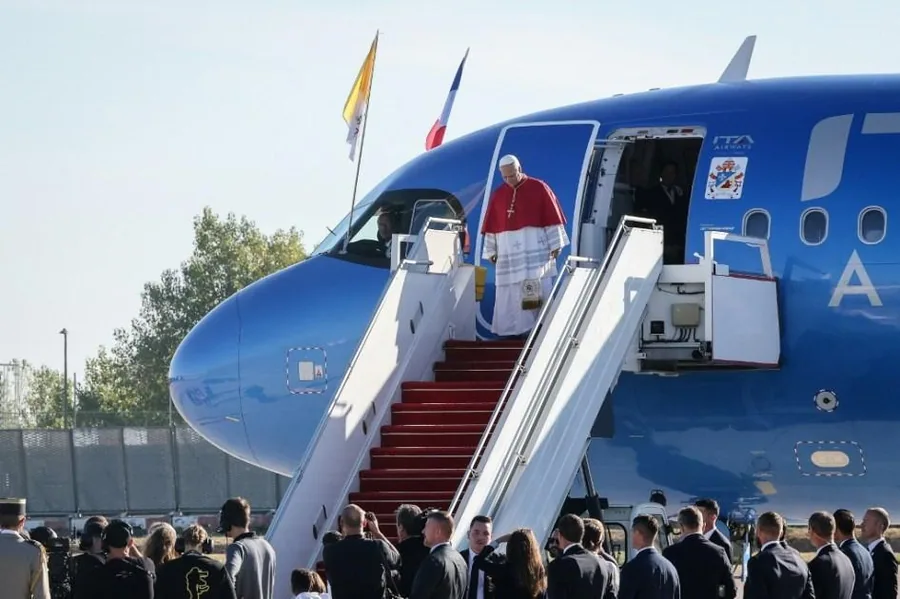
Threat or opportunity? Artificial intelligence and our creative capacity
Responding to Pope Leo XIV’s call to “disarm AI”, this piece argues that the risk lies not in the technology but in the human system using it: well designed, AI can free up creative capacity.