

Planetary systems · OSF-PLA-005
ISHEA repository: responsible use and licensing guidelines
By Carlos J. Pérez Pulido · ISHEA Institute ·
Files, datasets and scripts in the repository are openly available for research and replication; any commercial use or adaptation of the Δ±1 methodology requires written consent from the ISHEA Institute.
Preprint — Manuscript deposited on OSF. Not peer-reviewed.
⚠️ Responsible Use Notice
All files, datasets, and scripts in this repository are publicly accessible for research, replication, and academic purposes. Any application, modification, or commercial use of the Δ±1 methodology requires prior written consent from the ISHEA Institute (isheainstitute.org@gmail.com).
For complete guidelines, please refer to the Legal / Licensing Project: [OSF Link]
ISHEA Repository Responsible Use & Licensing Guidelines
- Introduction
Welcome to the ISHEA Institute repository system. All projects, datasets, scripts, and preprints published under ISHEA are made publicly accessible for research, replication, and academic purposes.
The Δ±1 framework and related methodologies represent sensitive intellectual property developed by ISHEA. While public availability promotes transparency and scientific reproducibility, any adaptation, modification, or commercial use requires prior written consent from the ISHEA Institute.
- Scope
This Wiki applies to all ISHEA projects including but not limited to:
Datasets (CSV, JSON, experimental raw data)
Scripts, code, and computational notebooks
Preprints, manuscripts, and posters
Supplementary materials and figures
Public sharing does not imply permission for commercial exploitation or unregulated application.
- Responsible Use
Researchers and users may:
- Download and use data or scripts for:
Academic research
Reproduction of results
Teaching and training purposes
- Cite the original source using DOI or OSF project links.
Users may NOT:
Apply the Δ±1 methodology in commercial or product development without explicit written consent
Redistribute datasets or scripts as “own work” or under another license
Modify core algorithms or weighting systems for external applications without ISHEA approval
- Citation
When using any ISHEA materials, please cite:
Pérez Pulido, C.J. · ISHEA Institute · [Project Title] · [Year] · DOI: [DOI Link]
Example for PEFI / Planetary Energy Flow data:
Pérez Pulido, C.J. · ISHEA Institute · Integrating Planetary Energy Flows, Solar Cycles, and Biosystem Dynamics · 2026 · DOI: 10.17605/OSF.IO/GY83R
- Contact for Commercial or Applied Use
All inquiries for commercial or applied use of Δ±1 methodology, proprietary weighting, or datasets should be addressed to:
ISHEA Institute
isheainstitute.org@gmail.com
Include:
Your intended use case
Project or organization details
Requested data/methodology
- Opt-Out / SHARE Indexing
By default, OSF public projects are indexed into SHARE for discoverability. While your profile and projects are included, all public projects, files, and preprints remain discoverable.
To reduce indexing of your personal profile, follow OSF settings:
Go to Profile > Account Settings > “Exclude me from SHARE indexing”
Note: public content will still appear in searches.
- Headers for Files
For every dataset or document, include the following header (first line):
© 2026 ISHEA Institute. Public access for academic research only. Commercial application requires prior written consent.
- Updates
This Wiki will be updated periodically to reflect:
New datasets
Methodological revisions
Additional legal guidance
Always check the latest version before citing or using ISHEA materials.
✅ Summary
Public access = academic/research use only
Commercial use = prior written consent required
Cite all ISHEA materials
Centralized project Wiki ensures consistent legal guidance
Si quieres, puedo hacer una versión resumida de 1 página, lista para pegar directamente en cada README de tus repositorios y así quede más visual y minimalista para los usuarios.
¿Quieres que haga esa versión también?
In the same room — Planetary systems
NOTA-PLA-001 · Planetary systems
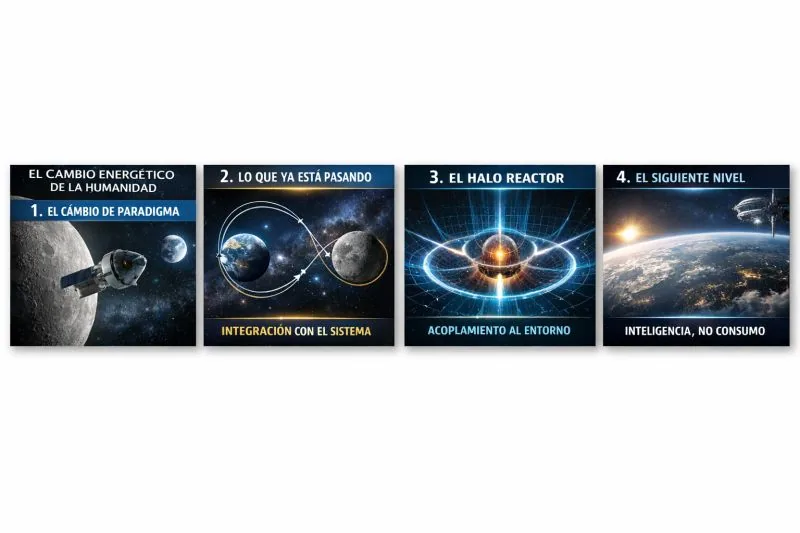
3/4. The HALO Reactor Is Not a Reactor
Third instalment of the series: the HALO Reactor neither burns nor consumes fuel. The piece dismantles the classic idea of a reactor to describe a system that organises energy rather than spending it.
NOTA-PLA-002 · Planetary systems
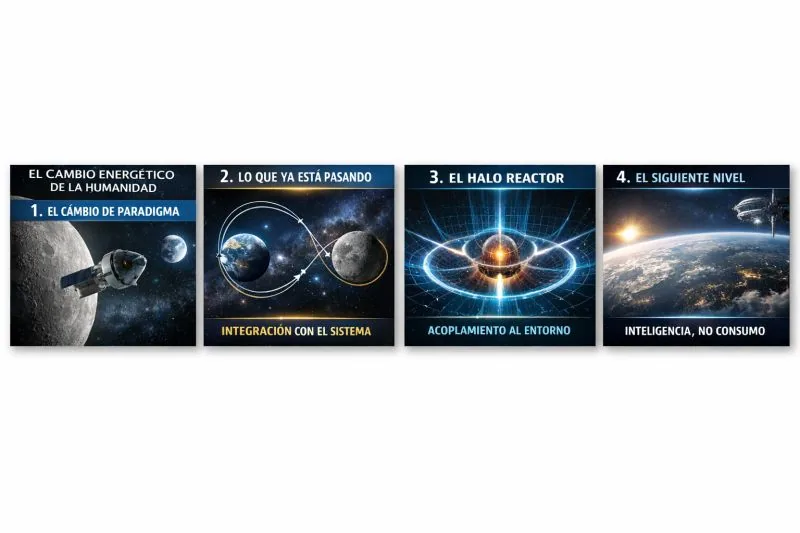
Coherent Energy: From Artemis to HALO
Not a story about rockets, but about the invisible principle nature uses to sustain complex systems, and which is now redefining how missions and machines are designed.
SN-PLA-003 · Planetary systems
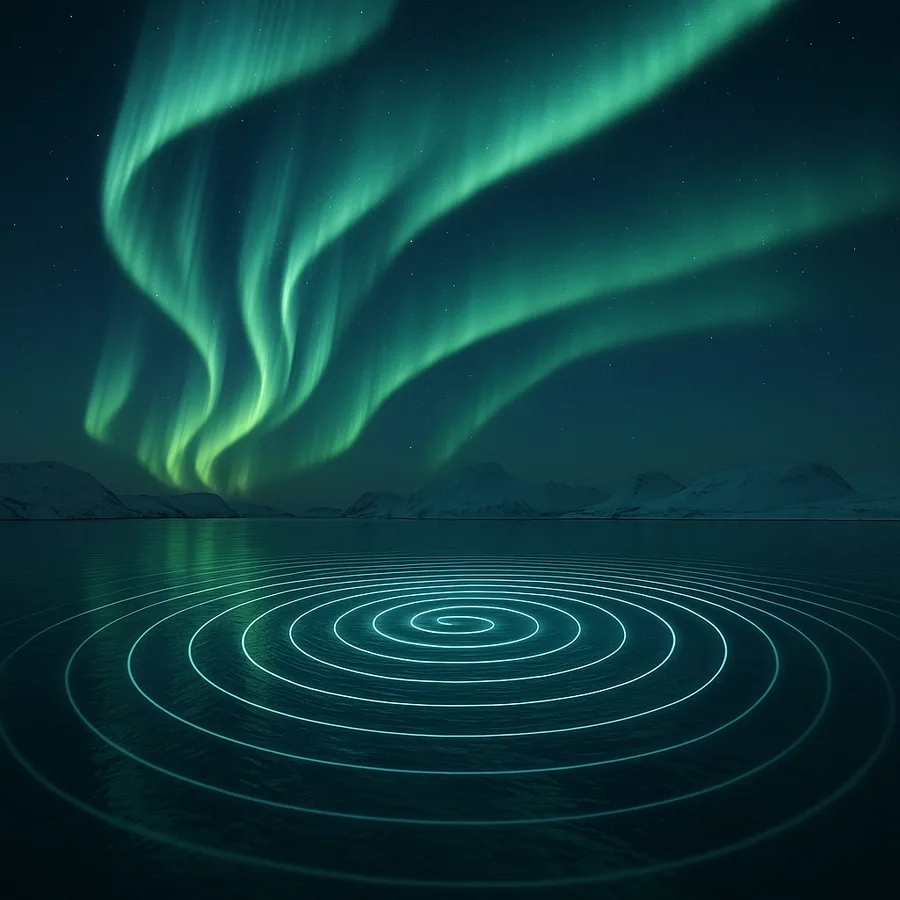
Integrating planetary energy flows, solar cycles and biosystem dynamics
The Planetary Energy Flow Index links solar cycles, stratospheric chemistry and bioenergetics inside the HALO framework, offering a reproducible bridge between planetary and biological science