

Bioenergetics · NOTA-BIO-120
Seeing the Brain Differently Changes the Questions We Ask
By Carlos J. Pérez Pulido · ISHEA Institute ·
Modern neuroscience maps the brain with extraordinary precision — cell atlases, single-cell resolution — yet changing how we look also changes the questions that are worth asking.
Note — Short piece published openly. Thinking in progress, not a result.
🧠 Seeing the Brain Differently Changes the Questions We Ask
Conference Insights – Nature × DGIST
Modern neuroscience maps the brain with extraordinary precision:
🧠 Brain cell atlases
🔬 Single-cell resolution mapping
⏳ Aging & dementia mechanisms
⭐ Astrocytes, microglia & CMA pathways
📈 Disease trajectories and progression
> The map of the brain is becoming incredibly detailed, opening new paths for research and therapies.
Yet most models still describe:
• What fails
• Where it fails
• When it fails
They struggle with: 👉 Why vulnerability emerges in specific cells first
This is where a systems perspective matters.
⚡ From an energetic lens:
• Every cell has a demand
• Every repair process has a cost
• Every stress signal reallocates energy
• Detox and maintenance are not free
When demand persistently exceeds supply:
• Balance breaks
• Resilience declines
• Pathology becomes visible
> Many biological “causes” are actually effects of a deeper energetic imbalance.
After sharing these insights, several people asked:
👉 If energy is so central, what does that actually change?
The question then shifts from: ❌ What gene failed?
to
✅ Where did energy stop flowing coherently?
This doesn’t replace molecular biology.
It adds a layer of understanding on top of it.
Sometimes, progress comes not from more data,
but from seeing the same data through a different lens.
— Carlos J. Pérez Pulido
ISHEA Institute
#Neuroscience #SystemsBiology #EnergyMatters #BrainHealth #AgingResearch #ComplexSystems #ISHEA #SingleCell #Astrocytes #Microglia #CMA #BiomedicalResearch
In the same room — Bioenergetics
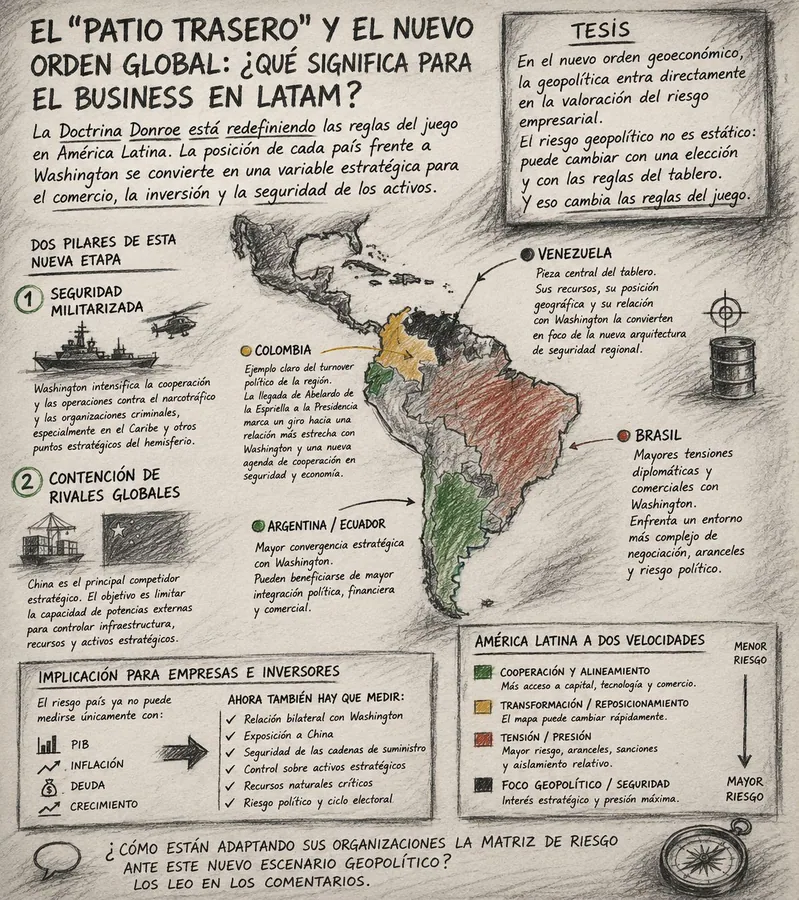
NOTA-BIO-001 · Bioenergetics
The “Backyard” and the New Global Order: What Does It Mean for the Business Plan in LatAm?
An analysis of how the so-called Donroe Doctrine has turned the “backyard” metaphor into explicit policy, and what that shift means for any business plan built for Latin America.

NOTA-BIO-002 · Bioenergetics
Why do the most efficient workers slow down midway through the workday?
For operations directors and logistics managers: a bioenergetic reading of why top performers lose productivity midway through the workday, a pattern many see and few explain.

NOTA-BIO-003 · Bioenergetics
Threat or opportunity? Artificial intelligence and our creative capacity
Responding to Pope Leo XIV’s call to “disarm AI”, this piece argues that the risk lies not in the technology but in the human system using it: well designed, AI can free up creative capacity.