

Cognizione collettiva · OSF-COG-032
Esperimento 8 – Infrastrutture ed elettricità: validare ISHEA con i grandi blackout
Di Carlos J. Pérez Pulido · ISHEA Institute ·
New York 2003, Brasile 2009, India 2012 e la crisi europea del gas lette come fallimenti di scopo, trasmissione e resilienza: le infrastrutture crollano come la cognizione sotto stress.
Preprint — Manoscritto depositato su OSF. Senza revisione paritaria.
Opera originale in inglese.
This dossier examines major blackouts and energy crises (New York 2003, Brazil 2009, India 2012, EU gas crisis 2021–2022) as systemic failures of Purpose (K), Transmission (T), and Resilience (R). Using IDCS as an analytical proxy, the study validates the ISHEA–KTR–TACC–IHC model by showing how infrastructure collapses mirror biological and cognitive breakdowns under systemic stress.
⚡ Exp. 08 – Infrastructure & Electricity
Validation of the ISHEA–KTR–TACC–IHC Model through Blackouts and Energy Systems
Author: Carlos Pérez Pulido
Period: 2003–2024
Overview
This dossier validates the ISHEA–KTR–TACC–IHC framework by examining major blackouts and energy crises as systemic failures of purpose (K), transmission (T), and resilience (R). Case studies include the New York blackout (2003), Brazil’s grid collapse (2009), India’s massive outage (2012), and Europe’s gas and electricity crisis (2021–2022). These events demonstrate that infrastructure systems, like human health, deteriorate when cognitive purpose and resilience are misaligned.
Key Insights
- New York 2003: Transmission (T) collapsed due to grid overload; weak resilience triggered a cascade failure.
- Brazil 2009: Purpose (K) misaligned with investment and maintenance; infrastructure fragility exposed.
- India 2012: Largest blackout in history (700 million affected); weak governance and fragmented T.
- Europe 2021–2022: Gas crisis revealed the systemic vulnerability of energy systems under geopolitical stress; resilience (R) insufficient to protect consumers.
Hypotheses
- H08.1: Energy blackouts follow the K–T–R pattern of collapse.
- H08.2: Countries with higher IDCS values are more vulnerable to infrastructure failures.
- H08.3: Resilience (R) alone cannot prevent collapse without aligned Purpose (K) and Transmission (T).
Results (Conceptual Validation)
- Blackouts consistently occur when investment (K) is neglected, coordination (T) is fragmented, and resilience (R) is insufficient.
- Comparative evidence suggests a correlation between IDCS and infrastructure fragility: higher cognitive stress corresponds with weaker infrastructural resilience.
- Energy systems mirror biological systems: both collapse when tension accumulates without regeneration.
Conclusion
Infrastructure validates ISHEA:
- K = Long-term planning and investment.
- T = Coordination and grid communication.
- R = Redundancy and adaptive resilience.
When these dimensions fail, blackouts mirror systemic health crises, reinforcing the universality of the K–T–R model across domains.
Suggested Files
- exp08_infrastructure_electricity.md
- exp08_infrastructure_dataset.csv (blackouts, energy demand, IDCS)
- exp08_infrastructure_analysis.py
- figures/exp08_blackouts_timeline.png
- figures/exp08_eu_energy_crisis.png
Nella stessa sala — Cognizione collettiva
NOTA-COG-001 · Cognizione collettiva
PISA 2025: che cosa succede quando imparare troppo in fretta smette di essere apprendimento?
Una lettura dei risultati di PISA 2025 e del segnale che lanciano sul rendimento dei Paesi OCSE: il sospetto che accelerare l'apprendimento possa finire per svuotarlo di senso.
NOTA-COG-002 · Cognizione collettiva
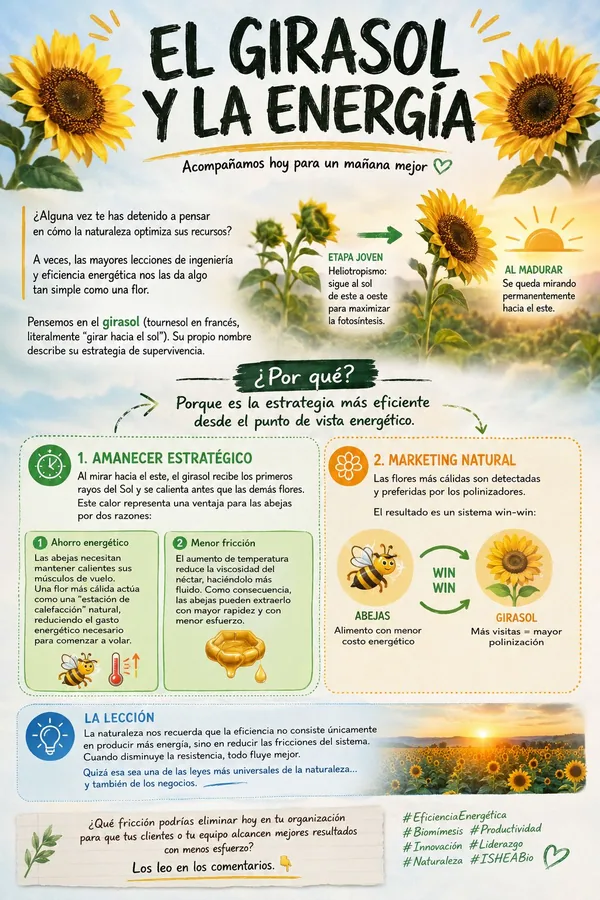
Il girasole e l'energia
Come la natura ottimizza le proprie risorse: il girasole trasforma la sua geometria in una lezione di ingegneria ed efficienza energetica che la tecnologia umana cerca ancora di eguagliare.
OSF-COG-003 · Cognizione collettiva
ICSD: dinamica degli stati cognitivi (in preparazione)
Repository in preparazione dell'ICSD, il modello di dinamica degli stati cognitivi; apre lo spazio in cui i materiali del quadro EICI + TACC saranno depositati con l'avanzare della ricerca.