

Economy 5.0 · NOTA-ECO-108
LEXGOV — Brazil: When a Presidential Veto Breaks the Feedback Loop
By Carlos J. Pérez Pulido · ISHEA Institute ·
A 2025 case study: the presidential veto of Brazil's anti-corruption law severs the feedback loop between government and citizens, and the legitimacy crisis that follows reads as a modulation failure.
Note — Short piece published openly. Thinking in progress, not a result.
Original piece in Spanish.
: LEXGOV — Cuando la política olvida que su rol es modular el feedback
> 🇧🇷 Brasil enfrenta crisis de gobernanza tras veto presidencial a ley anticorrupción — ** colapso de legitimidad**.
📌 **Caso real 2025**: Veto a ley aprobada por Congreso → protestas masivas → pérdida de confianza institucional.
→ *“Las instituciones no te representan”* → Creencias→crisis.
→ **LEXGOV falló**: No cerró el ciclo
💡 **Insight ISHEA–K**:
> “La política no gobierna — modula el feedback . Cuando LEXGOV falla , el entendimiento se convierte en teatro — y el pueblo lo sabe.”
👇 ¿Qué política en tu país fracasó por falta de feedback real? 👇
#LEXGOV #Democracia #Checking #TACC #KModel #ISHEA #Brasil #GobernanzaDelFuturo
In the same room — Economy 5.0
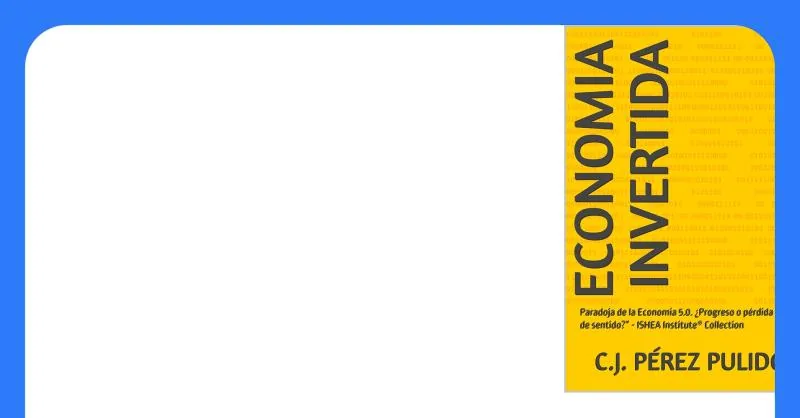
NOTA-ECO-001 · Economy 5.0
What if the variables we use to measure national success were completely backwards?
For decades, progress has been measured through GDP, productivity, growth and energy use. This piece argues those variables may be inverted and asks us to rethink what it means for a country to thrive.
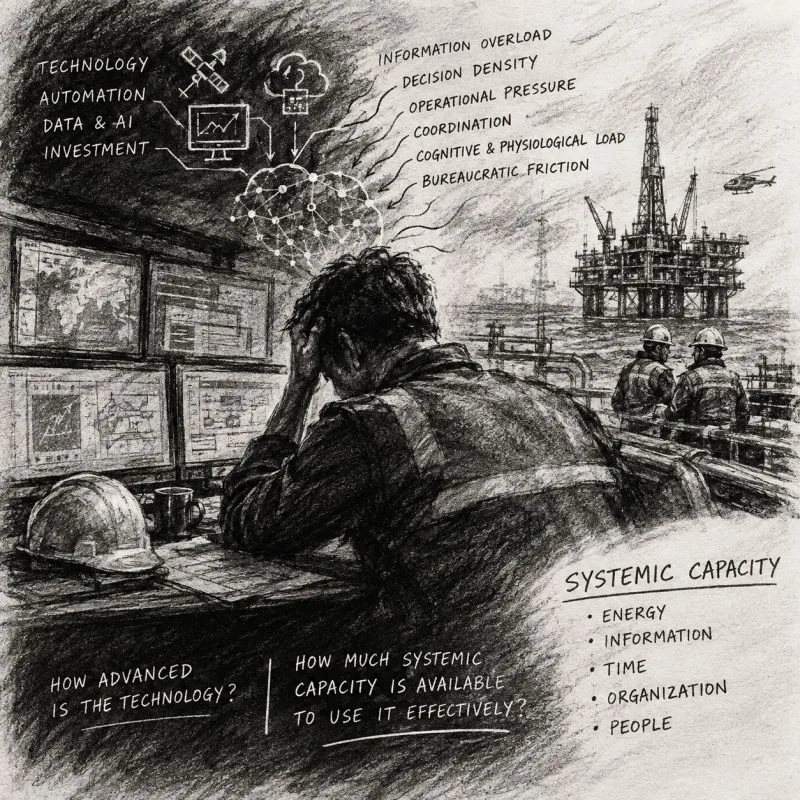
NOTA-ECO-002 · Economy 5.0
Why do highly engineered systems fail just when technology is most advanced?
In Oil & Gas and other complex operations, more technology does not guarantee better decisions: this piece examines systemic capacity, how much a system can absorb and turn into action under pressure.
NOTA-ECO-003 · Economy 5.0
Frankenstein and Oil: Why Does Venezuela Matter Geopolitically Again?
Third installment of the series: after tracing capital into AI and financial concentration, the next bottleneck comes into view, oil, and with it Venezuela returns to the geopolitical board.