

Bioenergetics · NOTA-BIO-122
Resilience: how to sustain energy and balance in your brain
By Carlos J. Pérez Pulido · ISHEA Institute ·
Why do some people handle stress better and age with greater well-being? It is not luck. It is resilience, and it depends on how the brain manages the energy available to it.
Note — Short piece published openly. Thinking in progress, not a result.
Original piece in Spanish.
🧠 Resiliencia: Cómo mantener energía y equilibrio en tu cerebro
¿Por qué algunas personas manejan mejor el estrés y envejecen con mayor bienestar?
No es suerte. Es resiliencia, y tiene que ver con cómo tu cuerpo y tu cerebro manejan la energía.
💡 Lo que nos enseñan Ibáñez & Momoh (2025):
Resiliencia es multidimensional: biológica, psicológica y social
Algunas personas mantienen su función cerebral bajo estrés gracias a flujo de energía y coherencia sistémica
Contexto, hábitos y cultura influyen en cómo se manifiesta la resiliencia
📍 Quiénes son Ibáñez y Momoh:
Agustín Ibáñez: investigador en neurociencia y salud cerebral global, director de BrainLat y profesor asociado en la Universidad Adolfo Ibáñez y Trinity College Dublin
Chinedu Momoh: científico en neurociencia clínica, enfocado en envejecimiento y resiliencia cerebral, con afiliaciones internacionales
Co-autores del artículo “Resilience and brain health in global populations”, publicado en Nature Medicine en 2025
⚡ Perspectiva ISHEA aplicada al día a día:
Energía disponible (ATP): alimenta tus células con buena nutrición, sueño y movimiento
Carga metabólica: no te sobrecargues; combina esfuerzo con descanso
Capacidad de reparación y detox: medita, descansa, permite que tu cuerpo se recupere
Coherencia vs. caos: organiza tu rutina y hábitos para mantener tu mente y cuerpo estables
> Resiliencia no es solo sobrevivir al estrés, es mantener energía, equilibrio y funcionamiento incluso bajo presión.
💡 Tips prácticos para fortalecer tu resiliencia:
1. Revisa tu “presupuesto de energía” diario: ¿das más de lo que puedes sostener?
2. Prioriza la recuperación: el descanso y la regeneración son esenciales
3. Ajusta hábitos y entorno: tu ambiente influye en cómo enfrentas los desafíos
Con la visión de Ibáñez & Momoh, y la perspectiva ISHEA (Modelo K/Bio), podemos ver que la resiliencia se puede entrenar y fortalecer, no es algo que solo se herede o se “tenga por suerte”.
— Carlos J. Pérez Pulido
ISHEA Institute
Note: The images are for reference only, not original, and do not represent the researchers for privacy reasons.
#Resiliencia #Bienestar #Energía #CerebroSaludable #ISHEA #Neurociencia #ModeloK #BioModel #Estrés #HábitosSaludables
In the same room — Bioenergetics
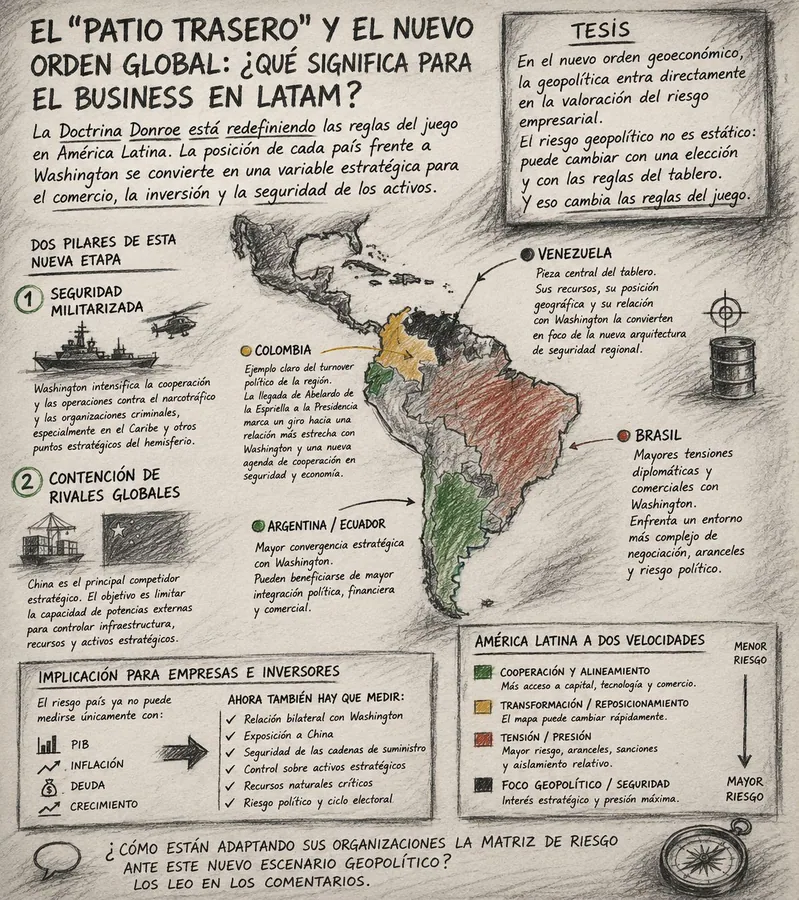
NOTA-BIO-001 · Bioenergetics
The “Backyard” and the New Global Order: What Does It Mean for the Business Plan in LatAm?
An analysis of how the so-called Donroe Doctrine has turned the “backyard” metaphor into explicit policy, and what that shift means for any business plan built for Latin America.

NOTA-BIO-002 · Bioenergetics
Why do the most efficient workers slow down midway through the workday?
For operations directors and logistics managers: a bioenergetic reading of why top performers lose productivity midway through the workday, a pattern many see and few explain.
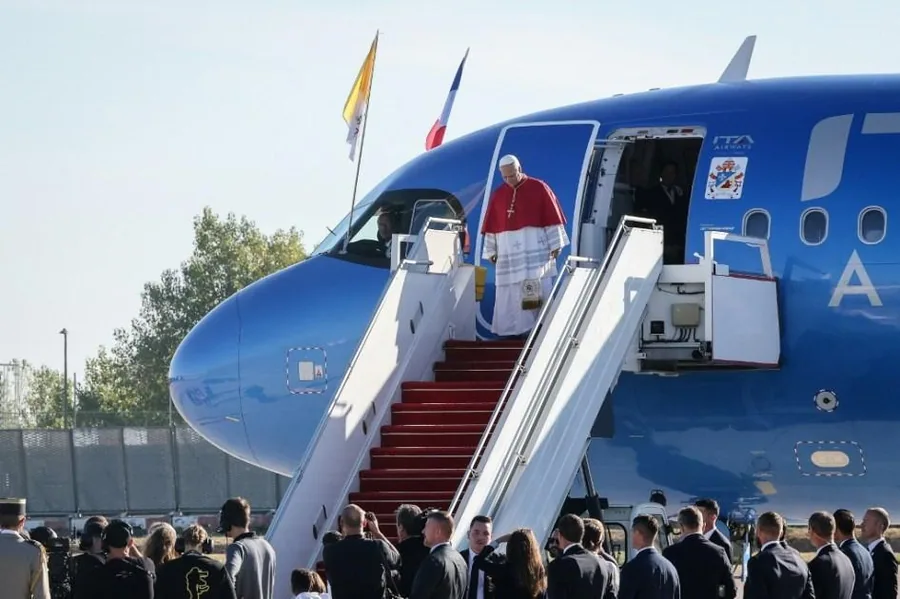
NOTA-BIO-003 · Bioenergetics
Threat or opportunity? Artificial intelligence and our creative capacity
Responding to Pope Leo XIV’s call to “disarm AI”, this piece argues that the risk lies not in the technology but in the human system using it: well designed, AI can free up creative capacity.