

Bioenergética · OSF-BIO-147
Dossier 02 — Biología: ATP, ADN y biopelículas
Por Carlos J. Pérez Pulido · ISHEA Institute ·
El cuerpo funciona como sensor biológico del fallo de propósito: ATP, ADN y biopelículas registran en clave celular la tensión sostenida. La validación del modelo ISHEA desciende hasta la escala molecular.
Preprint — Manuscrito depositado en OSF. Sin revisión por pares.

Pieza original en inglés.
🧬 Dossier 02– Biology: ATP, DNA, and Biofilm
Validation of ISHEA–KTR–TACC–IHC in Biological Systems
Author: Carlos Pérez Pulido
Year: 2025
Overview
This dossier validates the ISHEA–KTR–TACC–IHC model at the biological level, showing how stress and cognitive disruption manifest in cellular and molecular deterioration. The body acts as a biological sensor of cognitive hives, responding to systemic purpose failures with measurable physiological breakdowns.
Key Biological Pathways
-
ATP (Energy & Cognitive Hive Fuel):
Chronic stress reduces ATP efficiency, leading to fatigue, lowered immunity, and impaired neuronal signaling. ATP sparks are the “biochemical stories” that keep neurons and societies alive. -
DNA (Information & Transmission):
Disruption in Transmission (T) translates into DNA instability and epigenetic alterations. Stress-induced methylation patterns increase vulnerability to cancer and chronic diseases. -
Biofilm (Resilience & Collective Protection):
Biofilms are microbial communities that mirror social resilience. Weak R (resilience) makes the biofilm (or the human system) fragile against external shocks (antibiotics, infections, or systemic stress).
Hypotheses
- H06.1: ATP dysregulation under chronic stress mirrors loss of K (purpose).
- H06.2: DNA instability is a proxy for weak T (transmission).
- H06.3: Biofilm collapse under stress represents low R (resilience).
Results (Conceptual Validation)
- Biological evidence shows that stress → inflammation → disease progression.
- Psiconeuroimmunology confirms the body as an integrative sensor of cognitive tension.
- The K–T–R cycle is observed in cellular pathways: energy, information, resilience.
Conclusion
Biology validates the ISHEA model:
- ATP = Purpose (K) fuel.
- DNA = Transmission (T) of systemic information.
- Biofilm = Resilience (R) as collective shield.
When K/T/R collapse, the cellular hive collapses—leading to chronic illness and mortality.
Files in this folder
- exp06_biology_atp_dna_biofilm.md
- exp06_biology_dataset.csv
- exp06_biology_analysis.py
- figures/exp06_biofilm_resilience.png
En la misma sala — Bioenergética
NOTA-BIO-001 · Bioenergética
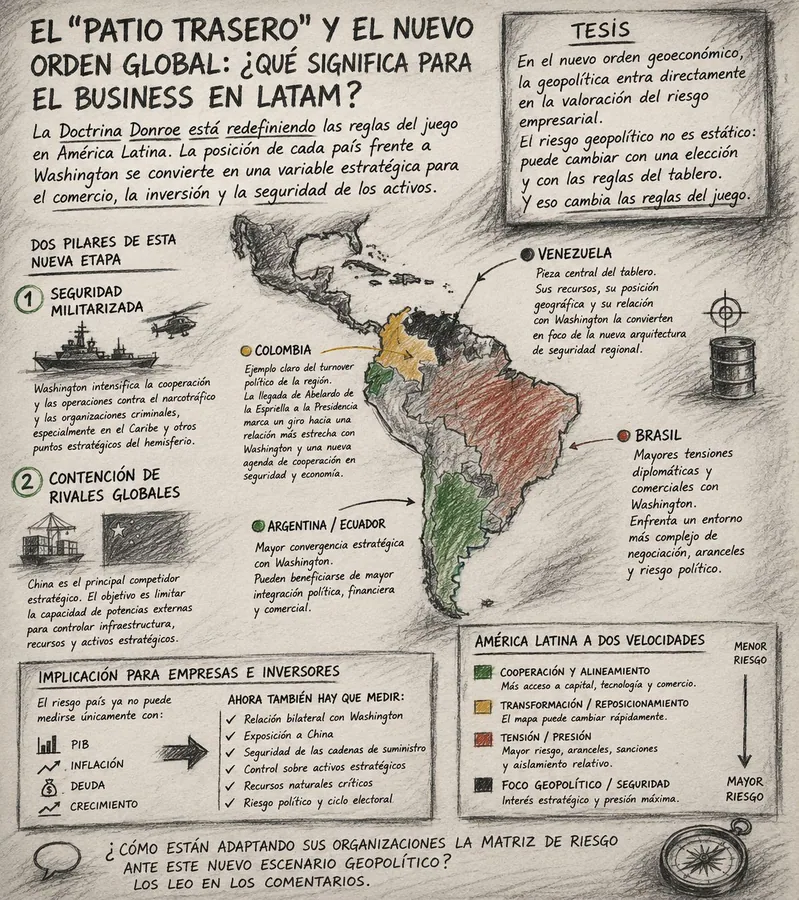
El «patio trasero» y el nuevo orden global: ¿qué significa para el business plan en Latam?
Un análisis de cómo la llamada Doctrina Donroe ha convertido en política explícita la metáfora del «patio trasero» y de lo que ese giro supone para cualquier plan de negocio en América Latina.

NOTA-BIO-002 · Bioenergética
¿Por qué los trabajadores más eficientes se vuelven más lentos a mitad de la jornada?
Para directores de operaciones y gerentes de logística: una lectura bioenergética de por qué los mejores trabajadores pierden productividad a mitad de jornada, un patrón que muchos ven y pocos explican.
NOTA-BIO-003 · Bioenergética
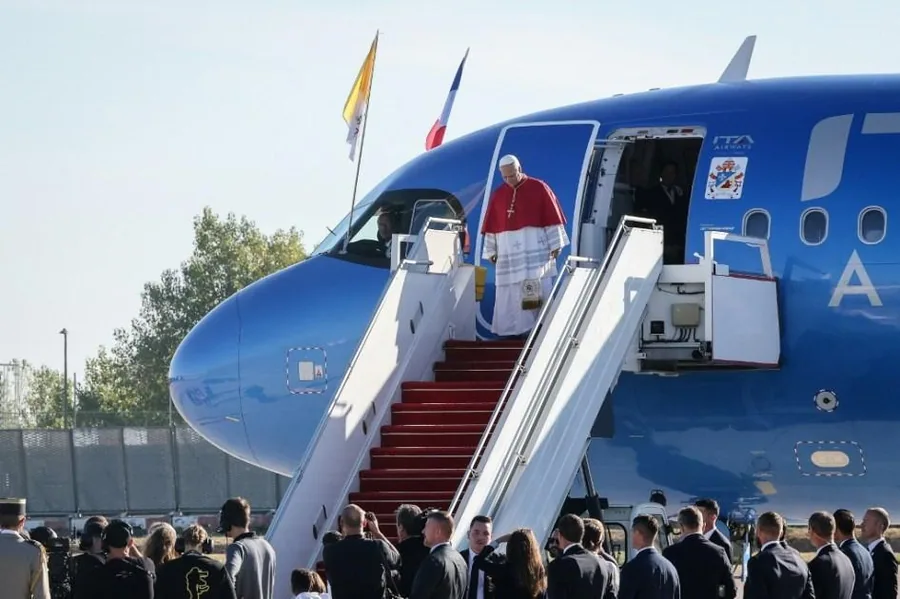
¿Amenaza u oportunidad? La inteligencia artificial y nuestra capacidad creativa
Frente al llamamiento de León XIV a «desarmar la IA», esta pieza sostiene que el riesgo no está en la tecnología, sino en el sistema humano que la usa: bien diseñada, puede liberar capacidad creativa.