

Bioenergetics · OSF-BIO-147
Dossier 02 — Biology: ATP, DNA and biofilms
By Carlos J. Pérez Pulido · ISHEA Institute ·
The body works as a biological sensor of purpose failure: ATP, DNA and biofilms record sustained tension in cellular terms. Here the validation of ISHEA descends to the molecular scale.
Preprint — Manuscript deposited on OSF. Not peer-reviewed.

🧬 Dossier 02– Biology: ATP, DNA, and Biofilm
Validation of ISHEA–KTR–TACC–IHC in Biological Systems
Author: Carlos Pérez Pulido
Year: 2025
Overview
This dossier validates the ISHEA–KTR–TACC–IHC model at the biological level, showing how stress and cognitive disruption manifest in cellular and molecular deterioration. The body acts as a biological sensor of cognitive hives, responding to systemic purpose failures with measurable physiological breakdowns.
Key Biological Pathways
-
ATP (Energy & Cognitive Hive Fuel):
Chronic stress reduces ATP efficiency, leading to fatigue, lowered immunity, and impaired neuronal signaling. ATP sparks are the “biochemical stories” that keep neurons and societies alive. -
DNA (Information & Transmission):
Disruption in Transmission (T) translates into DNA instability and epigenetic alterations. Stress-induced methylation patterns increase vulnerability to cancer and chronic diseases. -
Biofilm (Resilience & Collective Protection):
Biofilms are microbial communities that mirror social resilience. Weak R (resilience) makes the biofilm (or the human system) fragile against external shocks (antibiotics, infections, or systemic stress).
Hypotheses
- H06.1: ATP dysregulation under chronic stress mirrors loss of K (purpose).
- H06.2: DNA instability is a proxy for weak T (transmission).
- H06.3: Biofilm collapse under stress represents low R (resilience).
Results (Conceptual Validation)
- Biological evidence shows that stress → inflammation → disease progression.
- Psiconeuroimmunology confirms the body as an integrative sensor of cognitive tension.
- The K–T–R cycle is observed in cellular pathways: energy, information, resilience.
Conclusion
Biology validates the ISHEA model:
- ATP = Purpose (K) fuel.
- DNA = Transmission (T) of systemic information.
- Biofilm = Resilience (R) as collective shield.
When K/T/R collapse, the cellular hive collapses—leading to chronic illness and mortality.
Files in this folder
- exp06_biology_atp_dna_biofilm.md
- exp06_biology_dataset.csv
- exp06_biology_analysis.py
- figures/exp06_biofilm_resilience.png
In the same room — Bioenergetics
NOTA-BIO-001 · Bioenergetics
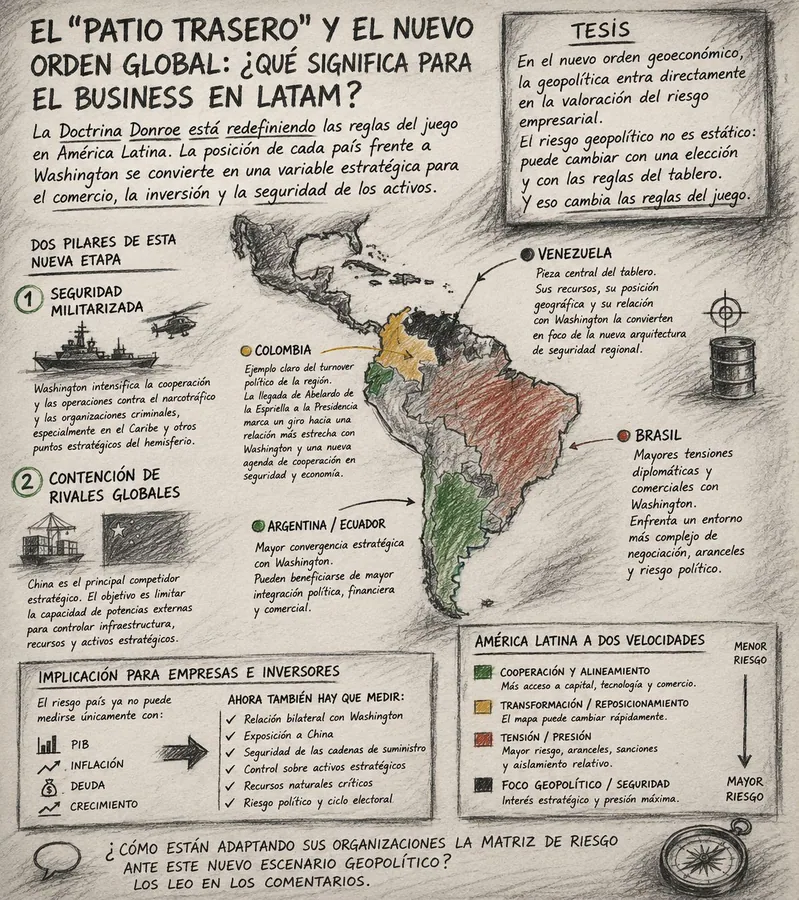
The “Backyard” and the New Global Order: What Does It Mean for the Business Plan in LatAm?
An analysis of how the so-called Donroe Doctrine has turned the “backyard” metaphor into explicit policy, and what that shift means for any business plan built for Latin America.

NOTA-BIO-002 · Bioenergetics
Why do the most efficient workers slow down midway through the workday?
For operations directors and logistics managers: a bioenergetic reading of why top performers lose productivity midway through the workday, a pattern many see and few explain.
NOTA-BIO-003 · Bioenergetics
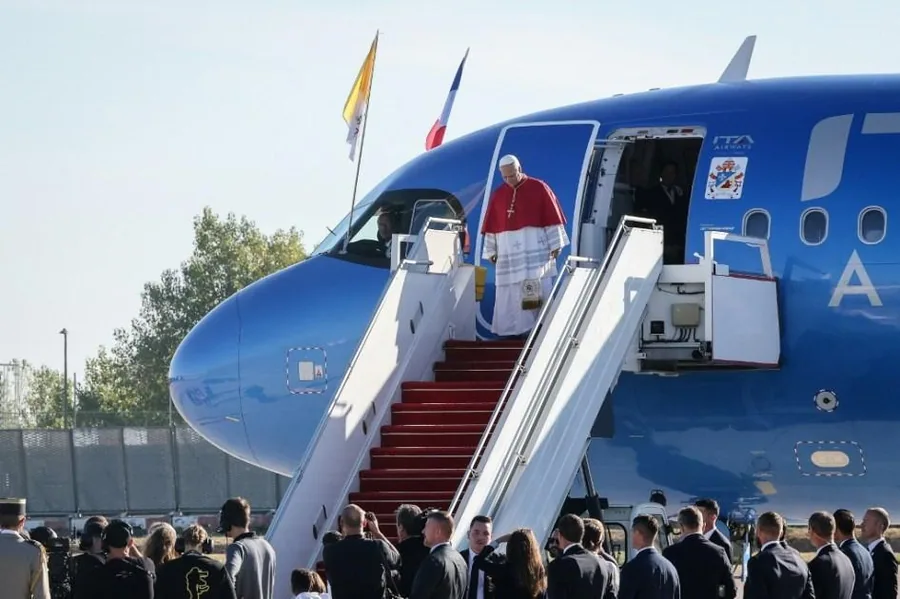
Threat or opportunity? Artificial intelligence and our creative capacity
Responding to Pope Leo XIV’s call to “disarm AI”, this piece argues that the risk lies not in the technology but in the human system using it: well designed, AI can free up creative capacity.