

Collective cognition · OSF-COG-029
Behavioral DNA: the informational code linking biology, cognition and social structure
By Carlos J. Pérez Pulido · ISHEA Institute ·
Behavioral DNA is proposed as a central code binding biology, cognition and social structure. Three levels of stewardship and pilot data turn ISHEA–LEX into a model of well-being governance.
Preprint — Manuscript deposited on OSF. Not peer-reviewed.

This article proposes a fundamental conceptual innovation in well-being models: behavioral DNA as a central informational code that integrates biology, cognition, and social structure within the ISHEA–LEX ecosystem. Three levels of stewardship are introduced, the neurochemical layer is decomposed, and empirical data from pilot interventions are presented. This framework validates and operationalizes ISHEA–LEX as a biopolitical model of well-being governance.
ISHEA–LEX DNA v2.0
ISHEA–LEX DNA v2.0 is a conceptual framework developed by Carlos Pérez Pulido in 2025 as an alternative to conventional economic and social indicators such as Gross Domestic Product (GDP) and the Human Development Index (HDI). It combines cognitive, institutional, ecological, and behavioral dimensions to evaluate human satisfaction and resilience beyond traditional measures of wealth and growth.
Overview
The model expands upon the Index of Expanded Human Satisfaction (ISHEA) by introducing a “behavioral DNA” layer, acknowledging that human conduct, cultural codes, and institutional anchoring strongly influence social well-being. The framework is designed to guide policymakers, academics, and organizations toward more holistic approaches to development.
Structure
ISHEA–LEX DNA v2.0 evaluates well-being through four weighted pillars:
Basic Needs (40%) – Access to health, education, housing, food, and security.
Institutional Anchoring (30%) – Role of the state as lever or anchor of development; governance quality, fiscal load, and supportive policies.
Adjusted Progress (20%) – Incorporates three dimensions:
Structural Progress
Access to Advanced Services (digital inclusion, innovation, cultural services)
ΔTax (Fiscal Delta) – Evaluates how excessive tax pressure impacts individual capacity for development.
Ecological Sustainability (10%) – Measures environmental balance, resource use, and long-term viability.
Overlaying these is the Behavioral DNA, a symbolic layer representing the cultural and cognitive patterns (e.g., efficiency, consumption, empathy) that shape the system.
Key Findings
Research within the ISHEA–LEX framework suggests:
Well-being is not strictly tied to wealth accumulation.
Institutions and emotions are critical drivers of resilience.
Digital inclusion and fiscal equity have direct effects on satisfaction.
Ecology, though often undermeasured, is indispensable for long-term survival.
Applications
ISHEA–LEX DNA v2.0 is intended as:
A tool for policymakers to evaluate development beyond GDP.
A metric for academics to study resilience, cognition, and satisfaction.
A practical index for organizations interested in sustainability, well-being, and governance impact.
Criticism and Challenges
Critics argue that the model may face difficulties in:
Operationalization – Collecting reliable data across diverse cultural contexts.
Subjectivity – Measuring emotions, trust, and oxytocin at a societal scale.
Adoption – Competing with entrenched indicators like GDP and HDI.
See Also
Human Development Index (HDI)
Gross National Happiness (GNH)
Doughnut Economics (Kate Raworth)
Amartya Sen’s Capability Approach
In the same room — Collective cognition

NOTA-COG-001 · Collective cognition
PISA 2025: what happens when learning too fast stops being learning?
A reading of the PISA 2025 results and the signal they send about performance across OECD countries: the suspicion that speeding up learning may end up hollowing it out.
NOTA-COG-002 · Collective cognition
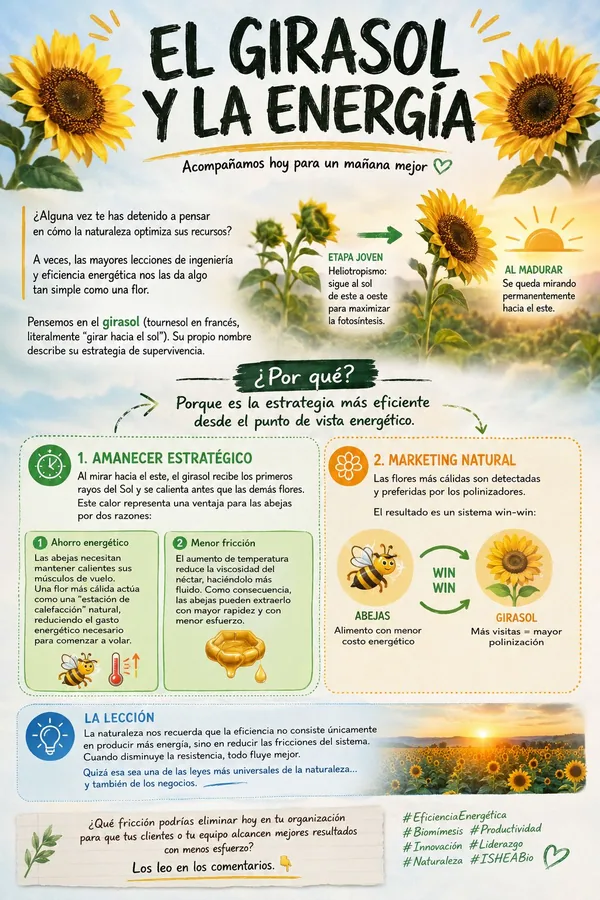
The Sunflower and Energy
How nature optimises its resources: the sunflower turns its geometry into a lesson in engineering and energy efficiency that human technology is still trying to match.

OSF-COG-003 · Collective cognition
ICSD: cognitive state dynamics (in preparation)
A repository in preparation for ICSD, the cognitive state dynamics model; it opens the space where the materials of the EICI + TACC framework will be deposited as the research advances.