

Bioenergetics · NOTA-BIO-104
Blacksmiths Gave Way to Mechanics: The Change Has Already Begun
By Carlos J. Pérez Pulido · ISHEA Institute ·
In 1900 there were 21 million horses and prosperous blacksmiths; by 1920 the trade had vanished. The piece uses that collapse to ask which occupations are living through their own 1900 today.
Note — Short piece published openly. Thinking in progress, not a result.
⚙️ Blacksmiths gave way to mechanics: Change has already begun – are you ready?
History repeats itself. Always.
1900: 21 million horses, prosperous blacksmiths.
1920: Blacksmiths had disappeared.
Yet what emerged: automotive industry, tire factories, mechanics, gas stations. More jobs, better paid.
📜 The Historical Constant
Every revolution follows the same pattern:
1760-1840: Steam engines → England’s population triples, wages rise 50%
1870-1914: Electricity → US life expectancy 39 → 54 years
1969-2000: Computers → 1 billion people rise out of extreme poverty
*2010-present: AI + Robotics → 97M new jobs vs 85M displaced = +12M net
The numbers don’t lie:
Extreme poverty: 90% (1820) → 8% (2025)
Life expectancy: 32 years (1900) → 73 years (2025)
Global per capita income: $1,100 → $13,000+
⚡ Always Physical Laws: Change is GRADUAL
1. Automobile: 40 years from invention to dominance – needed roads, refineries
2. Electricity: 45 years from light bulb to 50% households – needed plants, grids
3. Internet: 32 years from ARPANET to 50% online – needed fiber, servers
2025 – Energy bottleneck:
AI data centers need 68 GW by 2027
Power plants take 5–15 years vs. data centers 1–2 years
Temporary massive disconnection
> Result: Transition expected in 3–5 years will actually take 10–15 years.
Energy modulates change. Always.
🎯 Knowing the cycles, why not prepare?
#Paradox: 250 years, 4 revolutions, same pattern. Each generation acts surprised.
> The blacksmith of 1900 didn’t see it coming.
The worker of 2025 has no such excuse.
>85M jobs will transform, 97M will emerge. We have 10–15 years.
🚀 Prepare NOW
For Individuals:
✅ Identify if your work is repetitive (high risk)
✅ Invest in automation-proof skills: critical thinking, creativity
✅ Learn to use AI in your profession (human + AI)
✅ Build networks in renewable energy, cybersecurity, data science
For Latin America:
Abundant renewable energy
World-class tech talent
Time to prepare
> But: Don’t export cheap electricity—capture value added. Avoid repeating the copper mistake.
💭 Change Has Already Begun
Difference with the blacksmith of 1900:
He didn’t see change coming. YOU DO.
He didn’t have time. YOU HAVE 10–15 YEARS.
> Blacksmiths gave way to mechanics.
The world doesn’t disappear. It transforms.
And it’s always better on the other side.
But only for those who prepare.
🔑 ISHEA Conclusion:
Change is inevitable. Preparation is optional. What you control is your adaptation and alignment with the system’s flow. That’s the ISHEA vision.
Note: The illustration depicts a futuristic industrial landscape where machines, AI-powered robotics, oil rigs, and automated mining operations coexist. Each machine represents existing technology models:
Autonomous Mining Equipment: Electric and automated drills and trucks
Robotic Manufacturing Lines: Smart assembly and material handling systems
#Technology #FutureOfWork #Progress #Preparation #LatinAmerica #ISHEA
In the same room — Bioenergetics
NOTA-BIO-001 · Bioenergetics
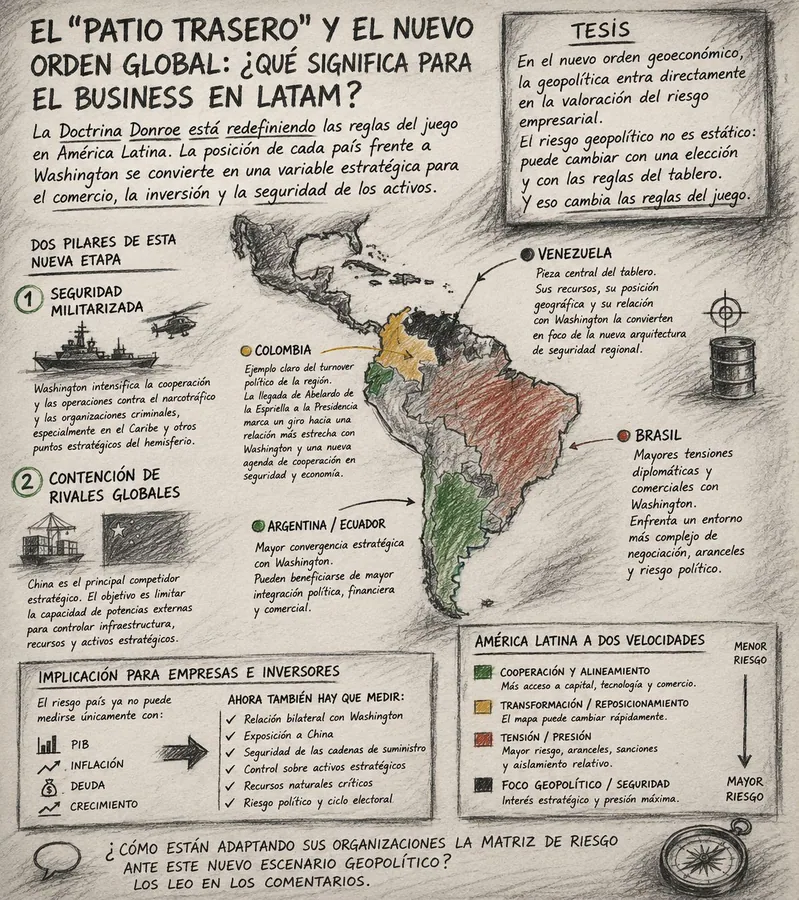
The “Backyard” and the New Global Order: What Does It Mean for the Business Plan in LatAm?
An analysis of how the so-called Donroe Doctrine has turned the “backyard” metaphor into explicit policy, and what that shift means for any business plan built for Latin America.

NOTA-BIO-002 · Bioenergetics
Why do the most efficient workers slow down midway through the workday?
For operations directors and logistics managers: a bioenergetic reading of why top performers lose productivity midway through the workday, a pattern many see and few explain.
NOTA-BIO-003 · Bioenergetics
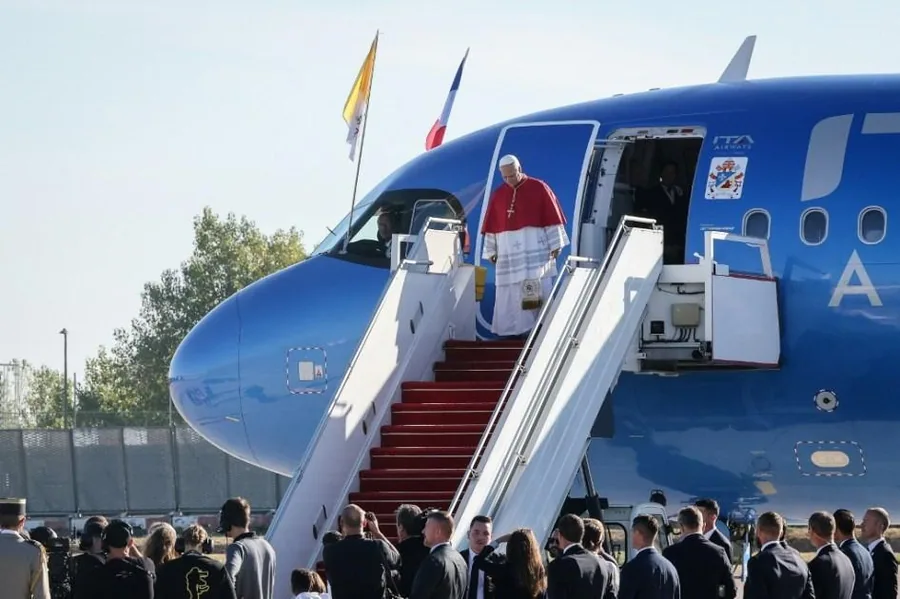
Threat or opportunity? Artificial intelligence and our creative capacity
Responding to Pope Leo XIV’s call to “disarm AI”, this piece argues that the risk lies not in the technology but in the human system using it: well designed, AI can free up creative capacity.