

Bioenergetics · NOTA-BIO-123
Stress at Christmas: enemy or ally?
By Carlos J. Pérez Pulido · ISHEA Institute ·
Between shopping, obligations and year-end deadlines, stress feels inevitable. Yet not all stress is harmful: there is a range in which it activates the body rather than wearing it down.
Note — Short piece published openly. Thinking in progress, not a result.
Original piece in Spanish.
✨🎄 Estrés en Navidad: enemigo o aliado? 🎄✨
En estas fechas, entre compras, compromisos y cierres de año, el estrés parece inevitable.
El Financial Times lo dice claro: no todo estrés es malo. Existe el eustrés —ese que impulsa, motiva y nos da claridad cuando más lo necesitamos.
🔬 En nuestro piloto ISHEA-BIO v0.1, descubrimos que cuando modulamos biología y cognición (MAOA + PKPB5), la coherencia de los mensajes se duplica y la entropía cognitiva cae un 37%.
💡 En otras palabras:
No se trata de huir del estrés… sino de gestionar su ritmo. Igual que hacemos con la Navidad: luces, pausas, reencuentros y resiliencia.
🚀 El futuro no será sin estrés. Será con un estrés gestionado, humano y evolutivo.
👉 ¿Y tú? ¿Qué ritual navideño usas para transformar el estrés en energía positiva?
FT : The good stress guide - https://lnkd.in/dU5NQh5q
#Navidad #Bienestar #GestiónDelEstrés #IA #ISHEA
In the same room — Bioenergetics
NOTA-BIO-001 · Bioenergetics
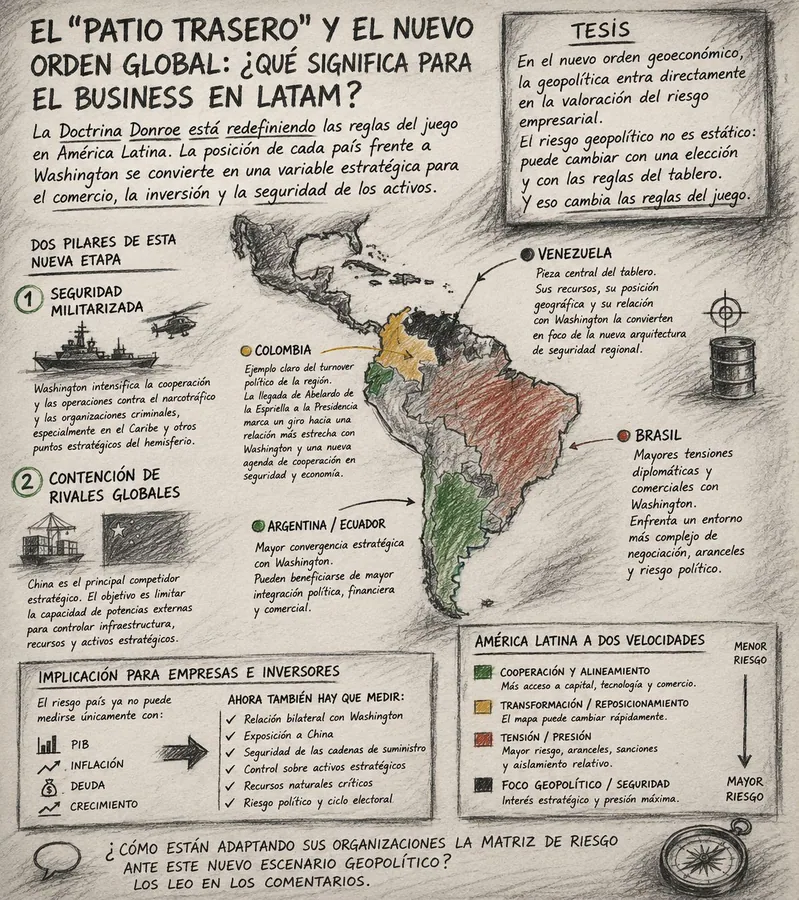
The “Backyard” and the New Global Order: What Does It Mean for the Business Plan in LatAm?
An analysis of how the so-called Donroe Doctrine has turned the “backyard” metaphor into explicit policy, and what that shift means for any business plan built for Latin America.

NOTA-BIO-002 · Bioenergetics
Why do the most efficient workers slow down midway through the workday?
For operations directors and logistics managers: a bioenergetic reading of why top performers lose productivity midway through the workday, a pattern many see and few explain.
NOTA-BIO-003 · Bioenergetics
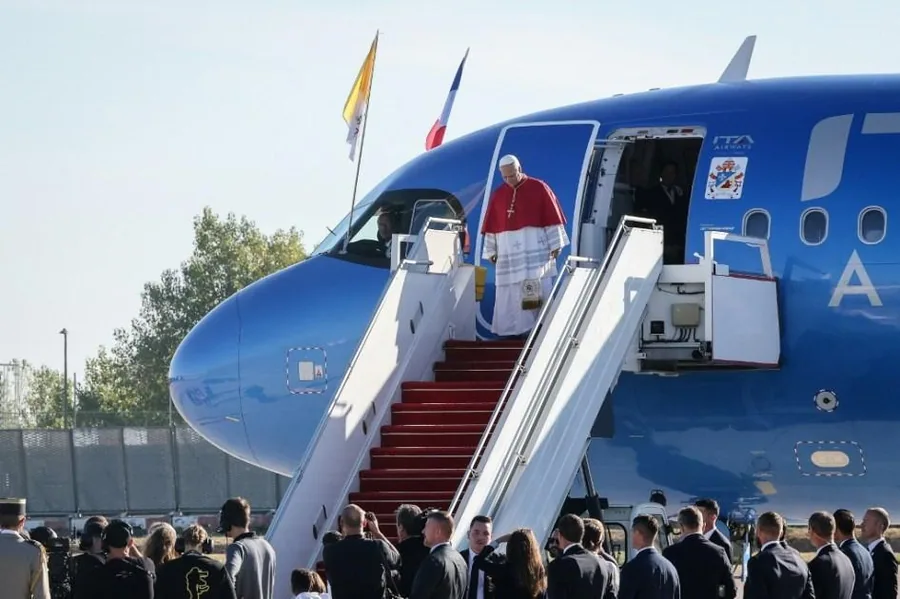
Threat or opportunity? Artificial intelligence and our creative capacity
Responding to Pope Leo XIV’s call to “disarm AI”, this piece argues that the risk lies not in the technology but in the human system using it: well designed, AI can free up creative capacity.