

Bioenergetics · NOTA-BIO-050
The human brain did not evolve through new genes. It evolved through a new control system
By Carlos J. Pérez Pulido · ISHEA Institute ·
A recent study by Li et al. (2025) pinpoints two moments in our evolutionary history where regulation, not genetic novelty, redrew what the human brain could do.
Note — Short piece published openly. Thinking in progress, not a result.
🧠 The human brain did not evolve through new genes. It evolved through a new control system.
A recent study (Li et al., 2025 — Quantitative Biology, Wiley) identified two moments in our evolutionary history where genetic control shifted abruptly. Not the genes themselves — but how they activate. When. With what intensity. In response to what.
Memory, language, emotion, social cognition. All shaped by those two transitions.
Not a hardware mutation.
A reconfiguration of the control system.
This invites a question that from biophysical systems science we find fundamental:
What determines when a biological system makes a qualitative leap?
Not the quantity of its components. But the coherence between available energy, integrated information, and structural friction.
This is a logic that appears in physics, in biology, in cognitive systems. And one we propose to formalize under the ISHEA Δ±1 framework.
The work of Li et al. is, from that perspective, a valuable point of convergence.
📄 DOI: 10.1002/qub2.88
🔗 ISHEA Institute | OSF: https://lnkd.in/ecCE5A8P
#Biophysics #Neuroscience #CognitiveEvolution #ComplexSystems #Epigenetics #ISHEA #SystemsBiology
In the same room — Bioenergetics
NOTA-BIO-001 · Bioenergetics
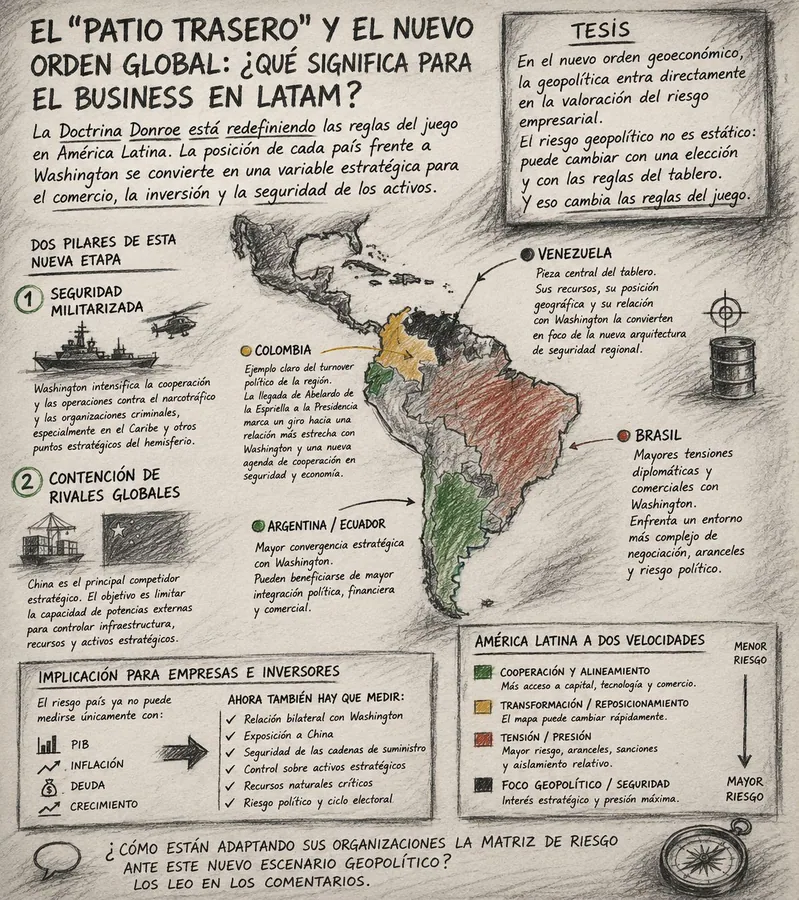
The “Backyard” and the New Global Order: What Does It Mean for the Business Plan in LatAm?
An analysis of how the so-called Donroe Doctrine has turned the “backyard” metaphor into explicit policy, and what that shift means for any business plan built for Latin America.

NOTA-BIO-002 · Bioenergetics
Why do the most efficient workers slow down midway through the workday?
For operations directors and logistics managers: a bioenergetic reading of why top performers lose productivity midway through the workday, a pattern many see and few explain.
NOTA-BIO-003 · Bioenergetics
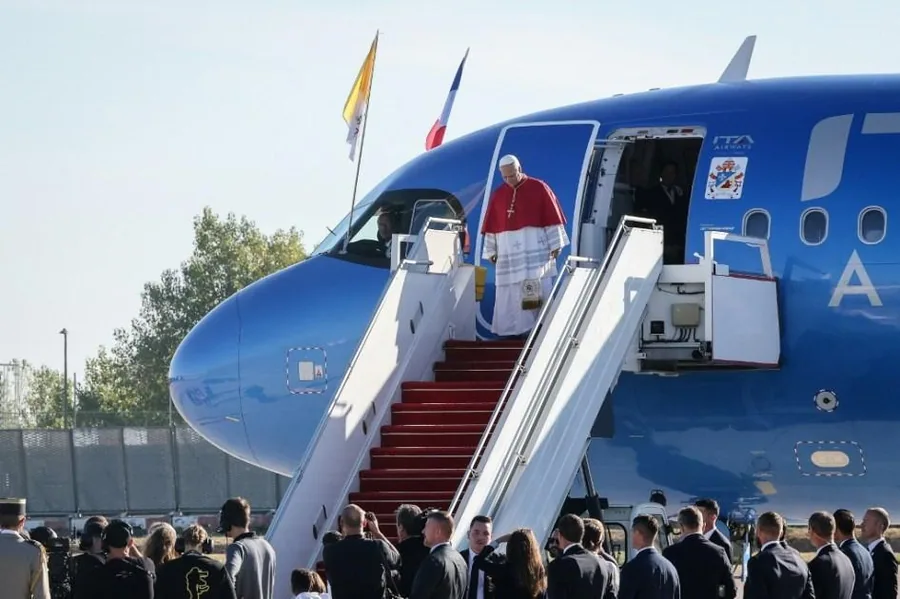
Threat or opportunity? Artificial intelligence and our creative capacity
Responding to Pope Leo XIV’s call to “disarm AI”, this piece argues that the risk lies not in the technology but in the human system using it: well designed, AI can free up creative capacity.