NOTA-PLA-001 · Planetary systems
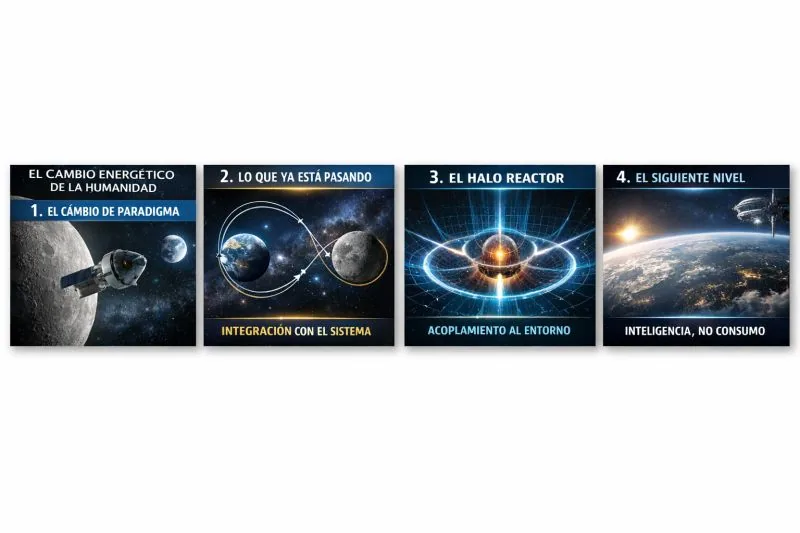
Third instalment of the series: the HALO Reactor neither burns nor consumes fuel. The piece dismantles the classic idea of a reactor to describe a system that organises energy rather than spending it.
NOTA-PLA-002 · Planetary systems
Not a story about rockets, but about the invisible principle nature uses to sustain complex systems, and which is now redefining how missions and machines are designed.
SN-PLA-003 · Planetary systems
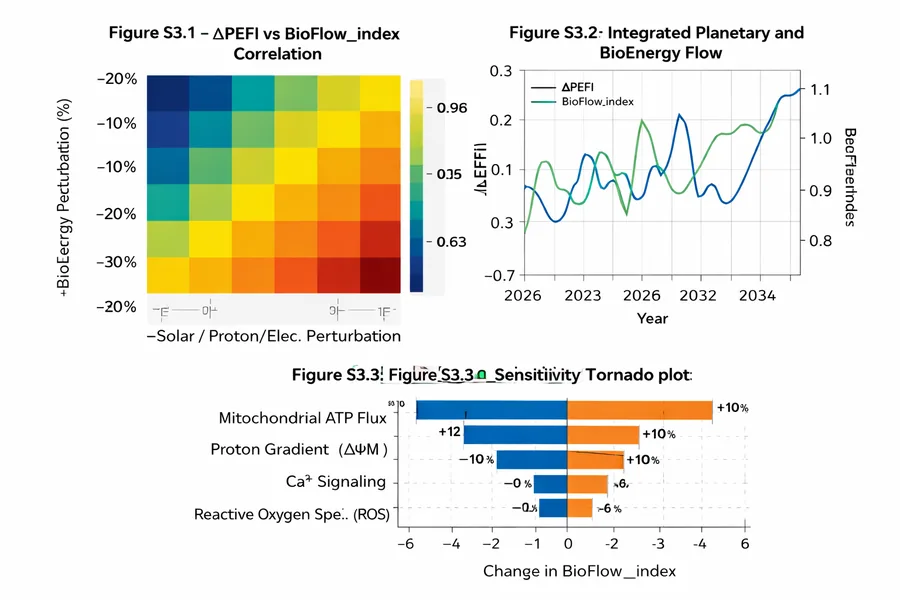
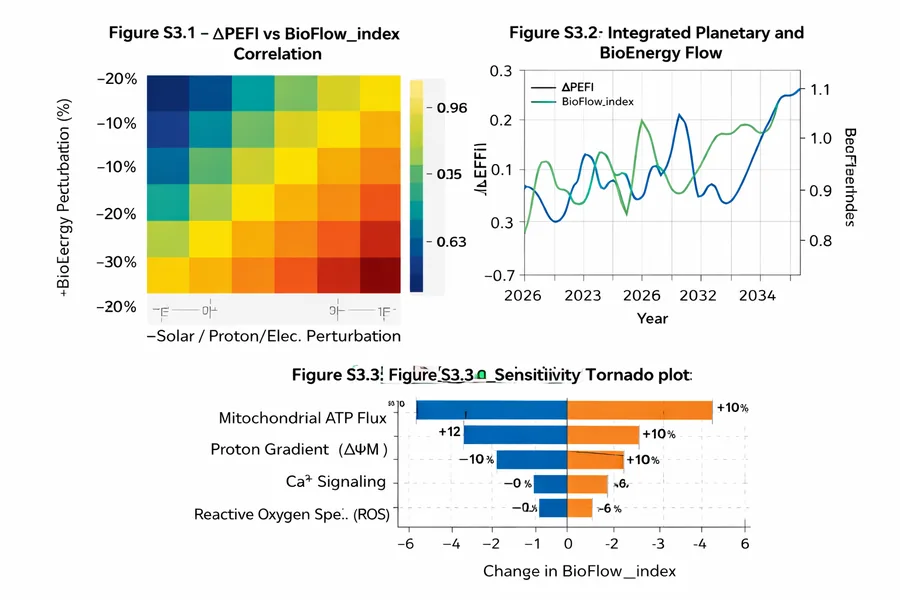
The Planetary Energy Flow Index links solar cycles, stratospheric chemistry and bioenergetics inside the HALO framework, offering a reproducible bridge between planetary and biological science
SN-PLA-004 · Planetary systems
Directed energy drives glycine to form peptides under interplanetary-like conditions, empirical support for universal energy coupling and molecular self-organization within the ECU framework.
OSF-PLA-005 · Planetary systems
Files, datasets and scripts in the repository are openly available for research and replication; any commercial use or adaptation of the Δ±1 methodology requires written consent from the ISHEA Institute.
OSF-PLA-006 · Planetary systems
A Δ±1 physical index coupled with XGBoost captures the non-linear interplay of space weather and stratospheric dynamics; synthetic data confirm the pipeline's feasibility before observational validation.
SN-PLA-007 · Planetary systems
Cognition holds together only while energy supply matches informational demand: metabolic and neuromodulatory feedback keep coherence across neural networks, and lose it when supply falls short
NOTA-PLA-008 · Planetary systems
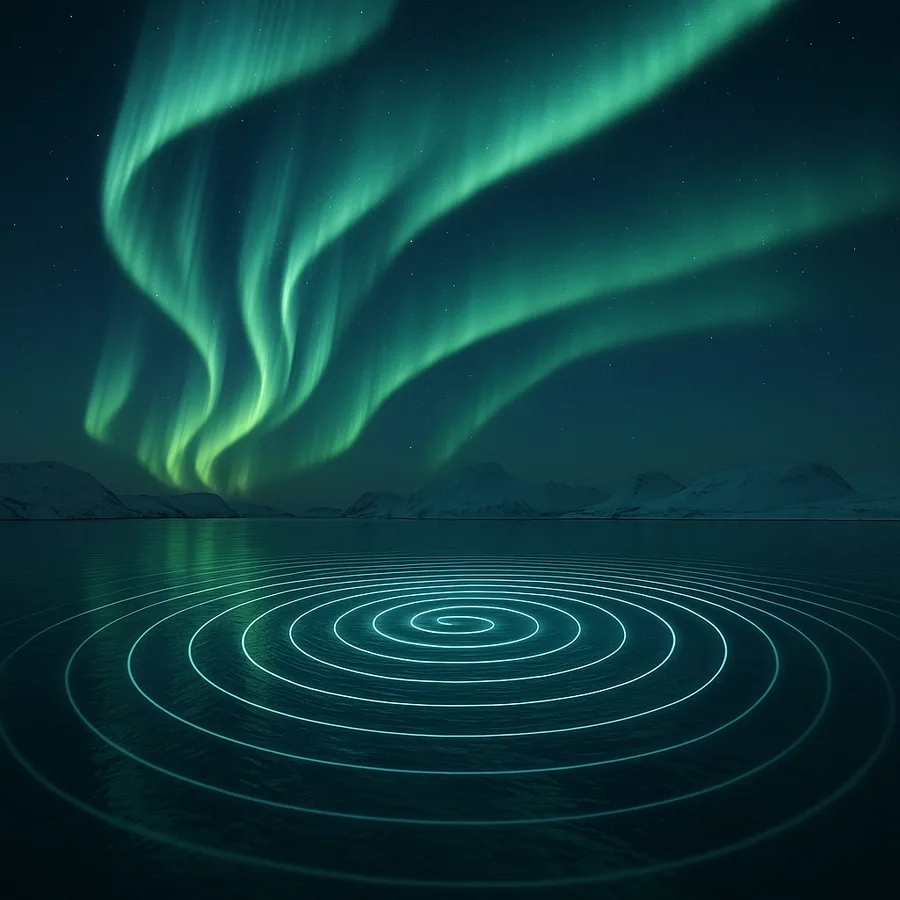
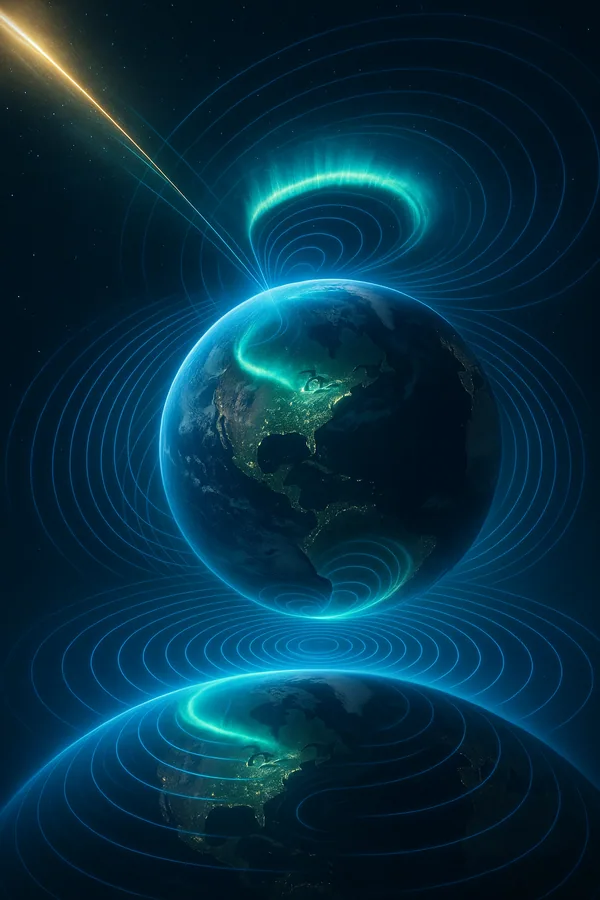
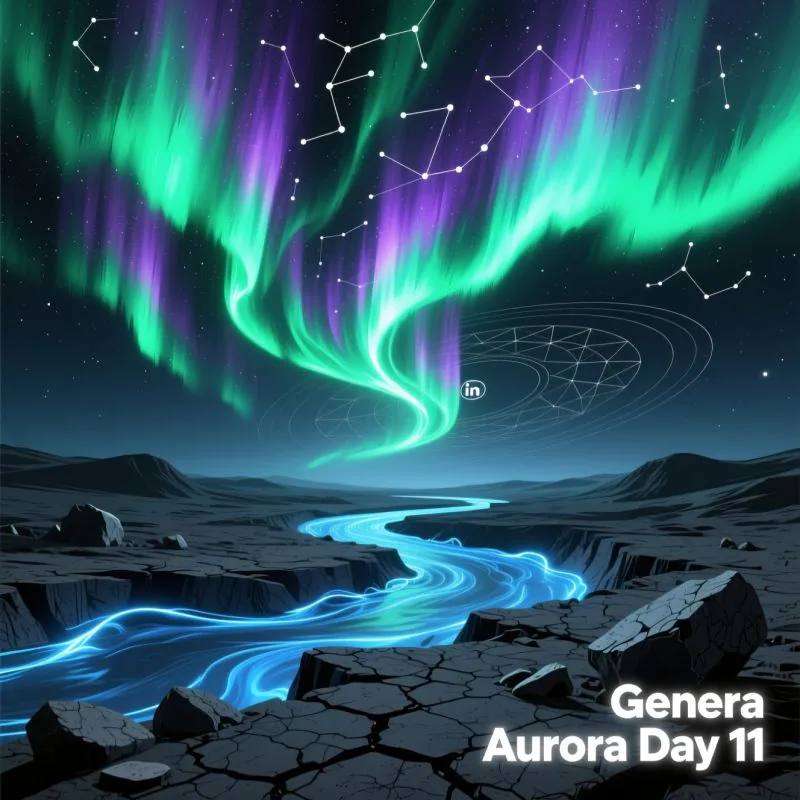
Second chapter of the planetary flow series: the aurora is not merely beautiful but visible proof that the Earth channels energy, a reading that reframes how we understand climate.
NOTA-PLA-009 · Planetary systems
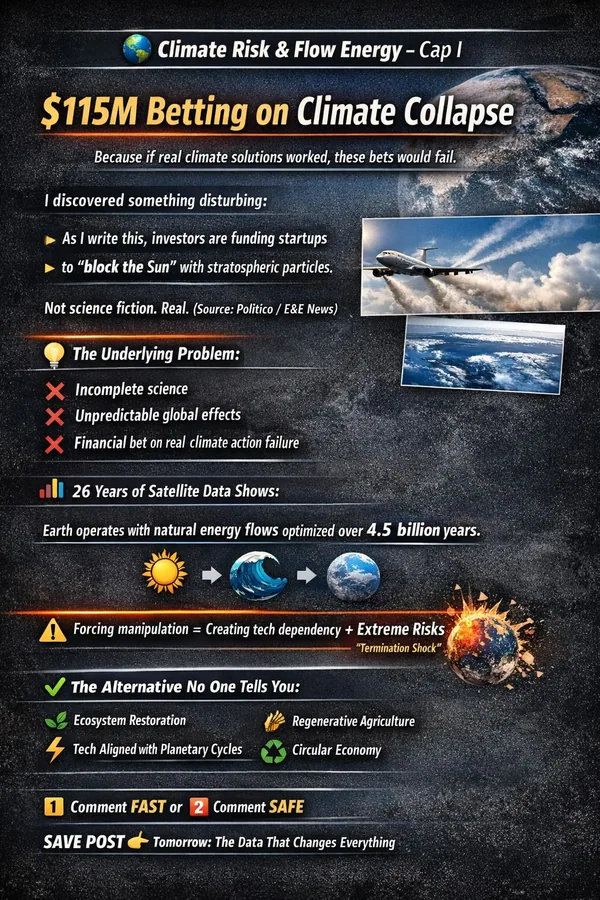
Opening chapter of the series: while $115M funds startups that want to dim the Sun with stratospheric aerosols, the piece argues for reading climate as energy in flow rather than as a fault to patch.
OSF-PLA-010 · Planetary systems
Satellite fluxes, ozone and jet-stream data meet cellular markers — calcium, mitochondrial potential, ATP — under the Δ±1 Index: proton flux emerges as the main driver of systemic energy variability
OSF-PLA-011 · Planetary systems
An analytical layer pairing satellite observations —proton flux, ozone, jet streams— with bioenergetic markers such as ATP production, identifying proton flux as the dominant driver of perturbation.
OSF-PLA-012 · Planetary systems
A 1998–2024 dataset joining NOAA proton flux, solar indices and the South Atlantic Anomaly to quantify how solar activity redistributes planetary energy and disturbs the geomagnetic field.
NOTA-PLA-013 · Planetary systems
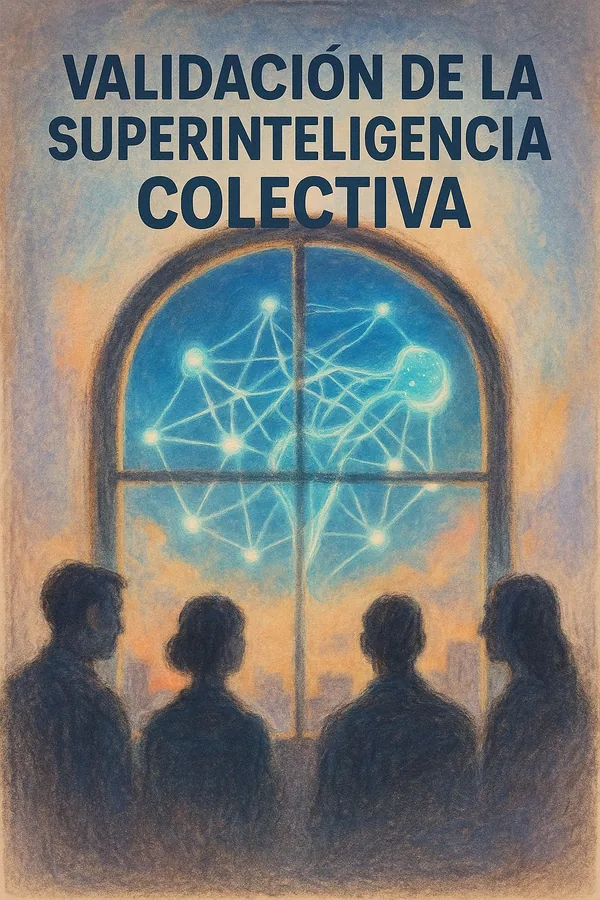
A review of the evidence on hive cognition: how groups solve problems no single member could solve alone, and what conditions allow that collective intelligence to hold together.
NOTA-PLA-014 · Planetary systems
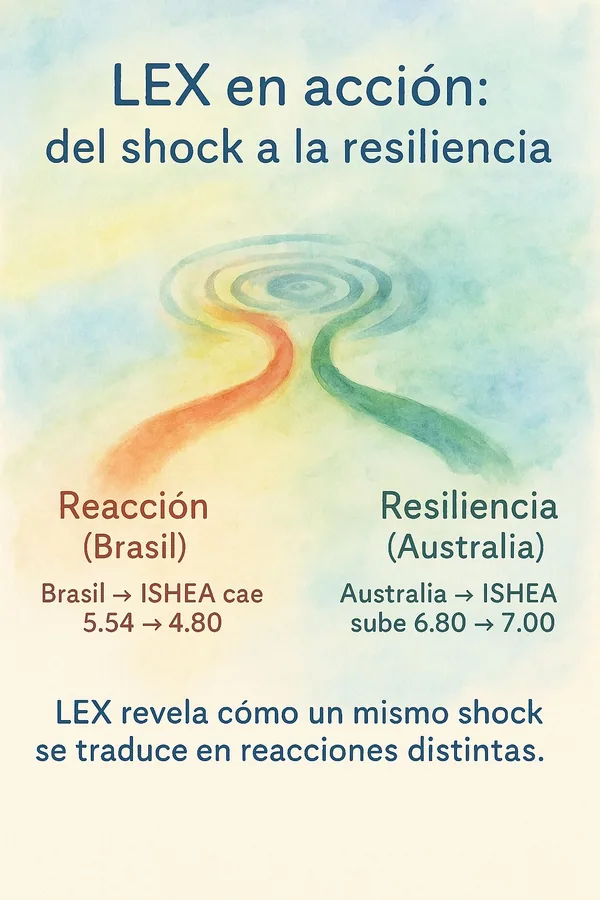
The same shock can end in collapse or in resilience. Using LEX and cases such as Brazil, this piece reads the difference between systems that merely react and systems that create.
NOTA-PLA-015 · Planetary systems
A reading of Trumpism as narrative architecture: a message that polarizes while activating the cognitive hive, where millions repeat and amplify the story.
OSF-PLA-016 · Planetary systems
Hives in Brazil and Australia, together with the decline of Europe's wild bees, serve as field evidence: when knowledge, transmission and resilience fall out of alignment, the colony turns fragile
OSF-PLA-017 · Planetary systems
Africanized and European hives compared as a living test of the ISHEA–KTR–TACC–IHC model: resilience without transmission turns into aggression, while balanced alignment sustains the colony.