NOTA-ECO-001 · Economy 5.0
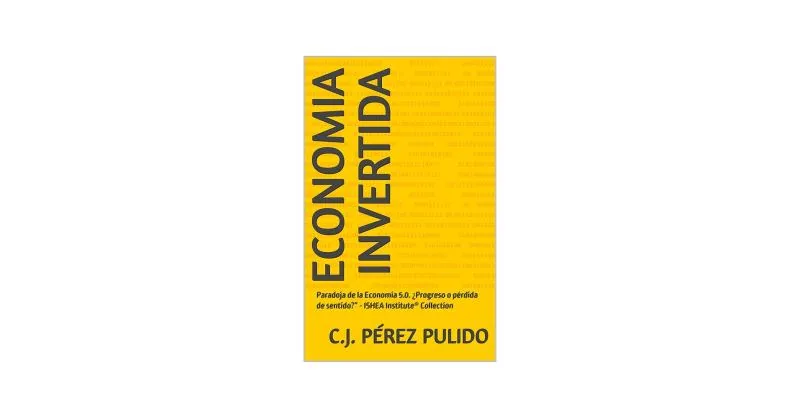
For decades, progress has been measured through GDP, productivity, growth and energy use. This piece argues those variables may be inverted and asks us to rethink what it means for a country to thrive.
NOTA-ECO-002 · Economy 5.0
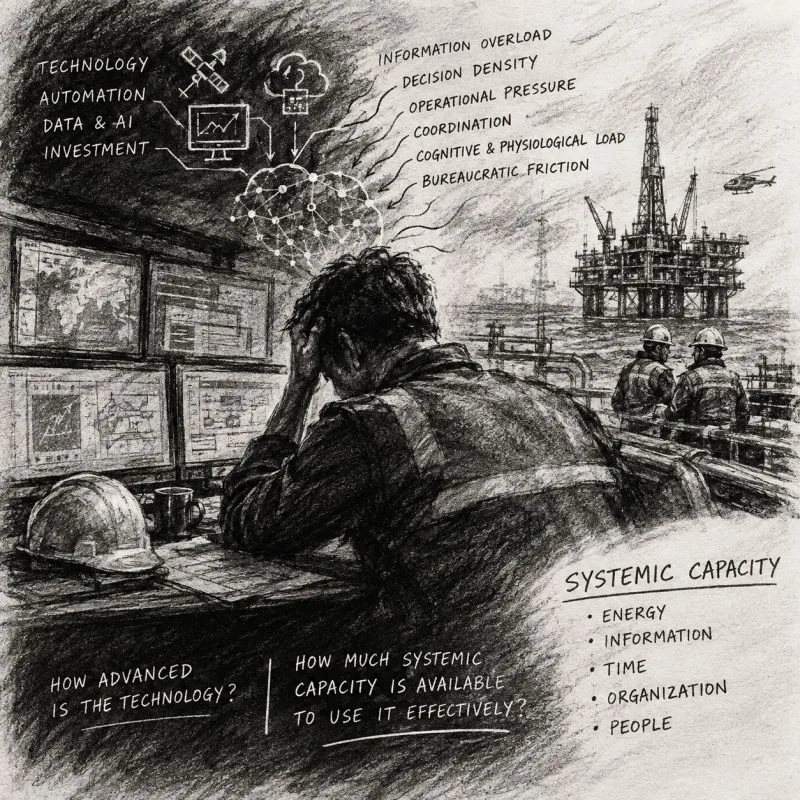
In Oil & Gas and other complex operations, more technology does not guarantee better decisions: this piece examines systemic capacity, how much a system can absorb and turn into action under pressure.
NOTA-ECO-003 · Economy 5.0
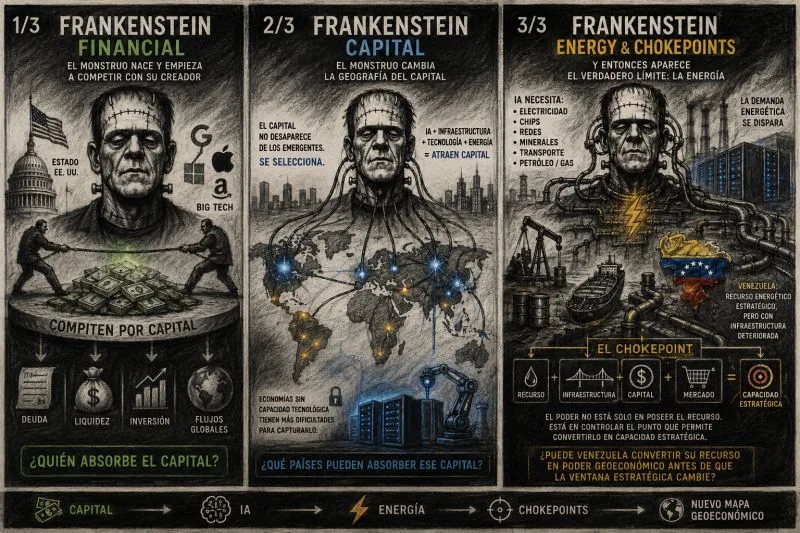
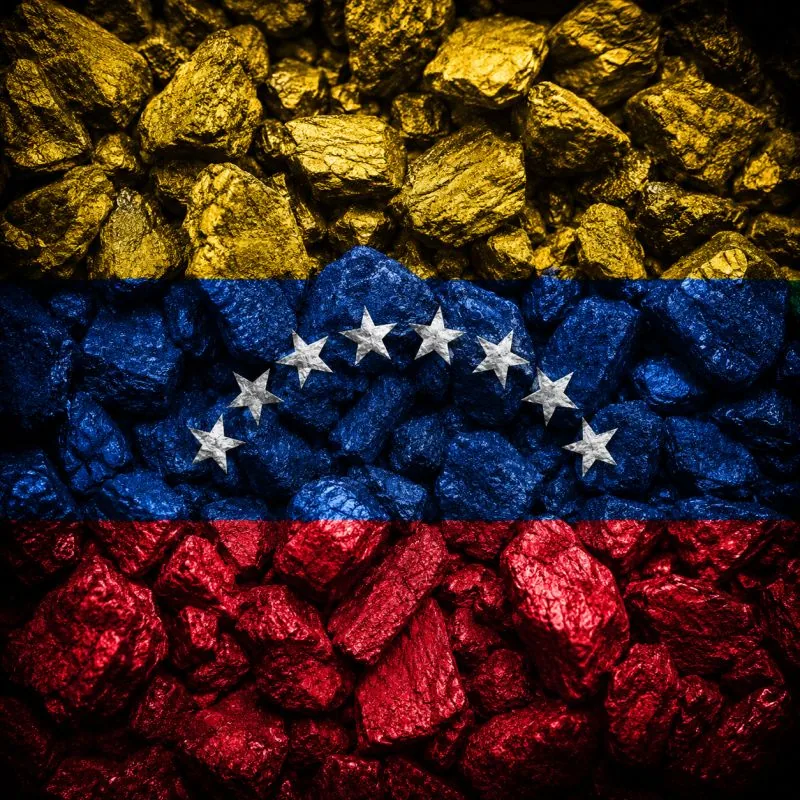
Third installment of the series: after tracing capital into AI and financial concentration, the next bottleneck comes into view, oil, and with it Venezuela returns to the geopolitical board.
NOTA-ECO-004 · Economy 5.0
Second of three parts: the State built the ecosystem that gave birth to Big Tech, and now the creature competes with its creator and redraws the world map of capital.
NOTA-ECO-005 · Economy 5.0
An analysis of the technological, financial and regulatory ecosystem the United States built for Big Tech, and of how those same companies now compete with the state that created them.
NOTA-ECO-006 · Economy 5.0
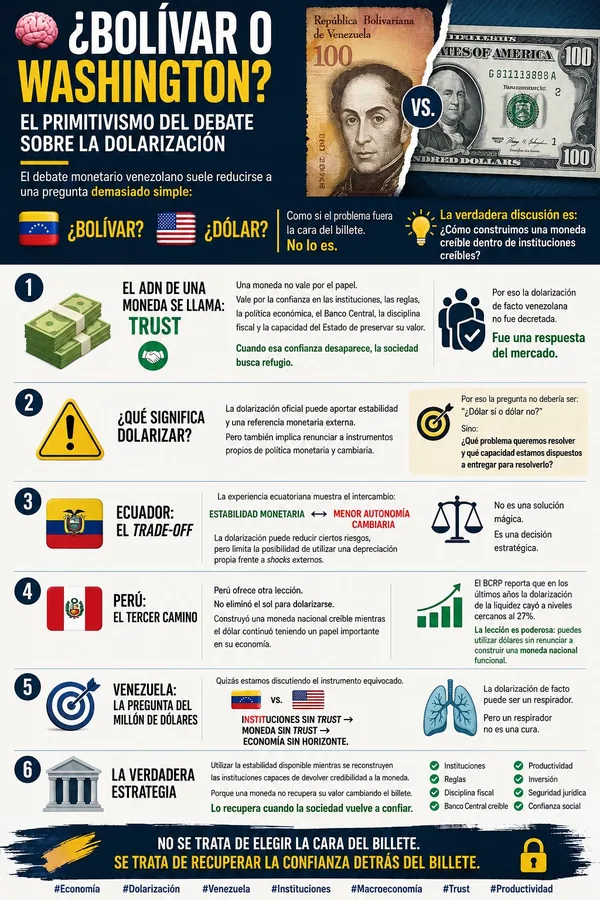
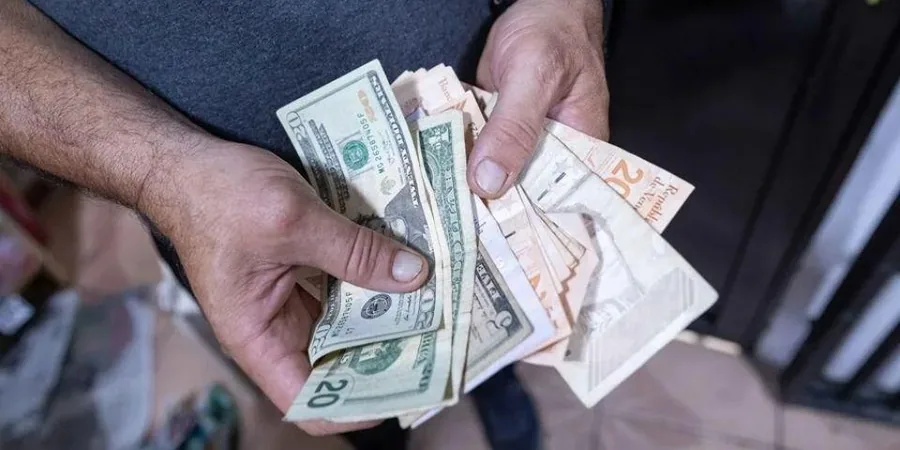
A rereading of Venezuela's monetary debate: the choice between the bolívar and the dollar hides the real issue, which is not the face on the banknote but the institutional architecture behind it.
NOTA-ECO-007 · Economy 5.0
A reflection on complex systems: abundance that exceeds the capacity to absorb it does not enrich but depletes. An economic reading of why excess without channels ends up drying out the system.
NOTA-ECO-008 · Economy 5.0
Venezuela's oil internationalization in the 1980s and 1990s was efficient on paper yet opaque from outside. The piece asks what happens when a system stops trusting its own architecture.
NOTA-ECO-009 · Economy 5.0
The second part of a series on ESG in Venezuela: after diagnosing institutional weakness and regulatory improvisation, it sets out how to move the transition from paper to practice.
NOTA-ECO-010 · Economy 5.0
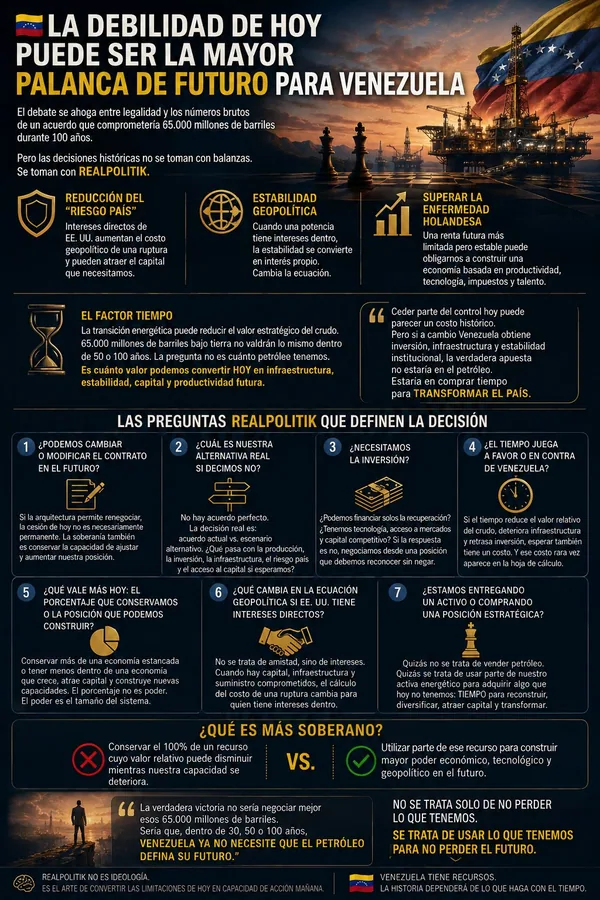
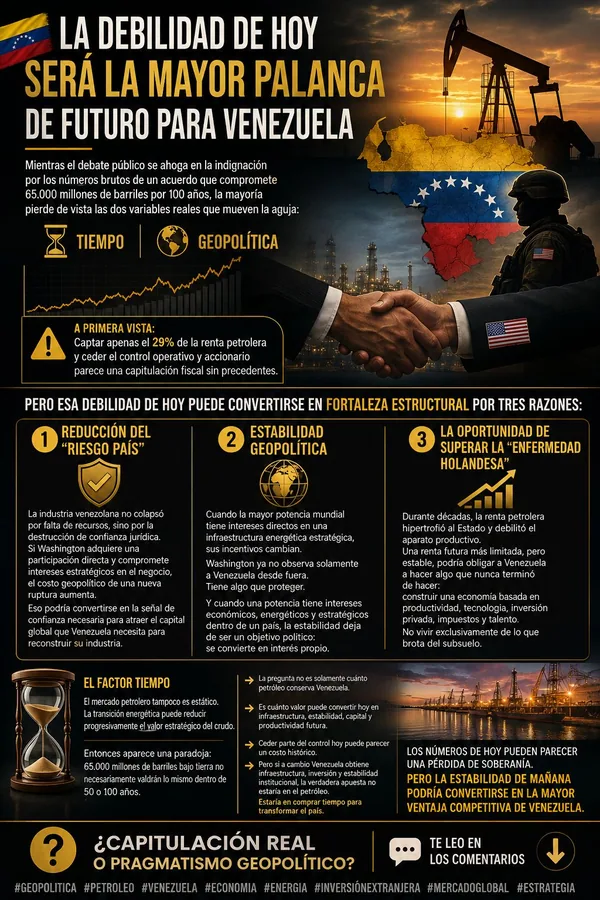
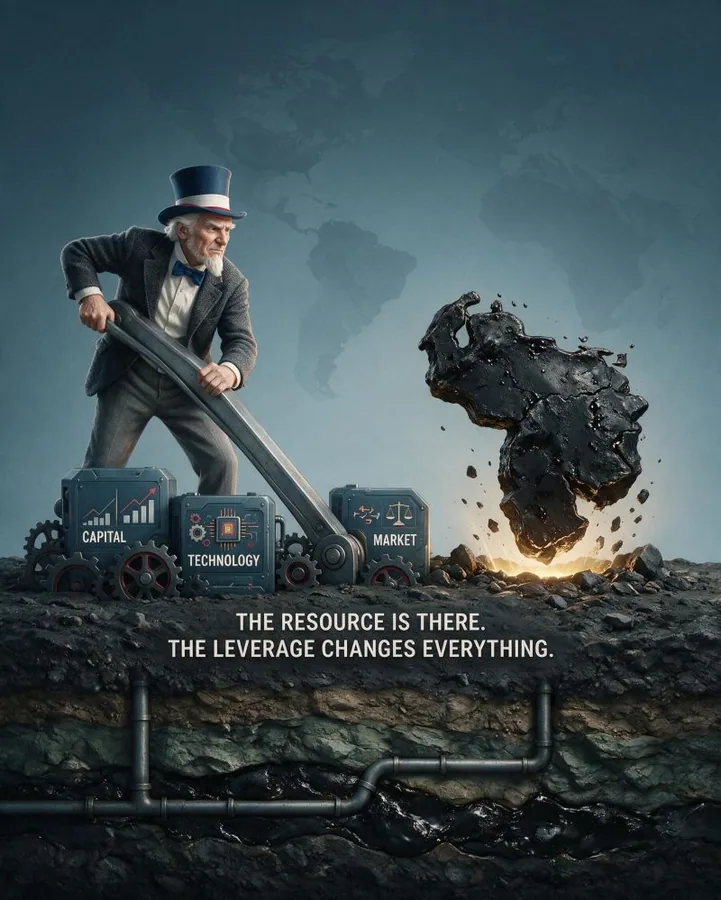
The debate over the agreement fixates on how much Venezuela gives up. This piece inverts the question and reads present weakness as the negotiating leverage the country has yet to activate.
NOTA-ECO-011 · Economy 5.0
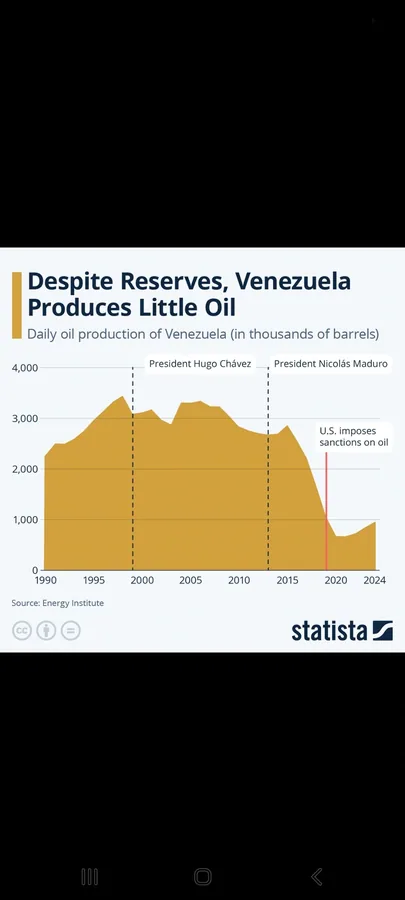
A route from the start of the Chávez era, when Venezuela held extraordinary oil reserves, to 2026: the chain of decisions that explains the country of today.
NOTA-ECO-012 · Economy 5.0
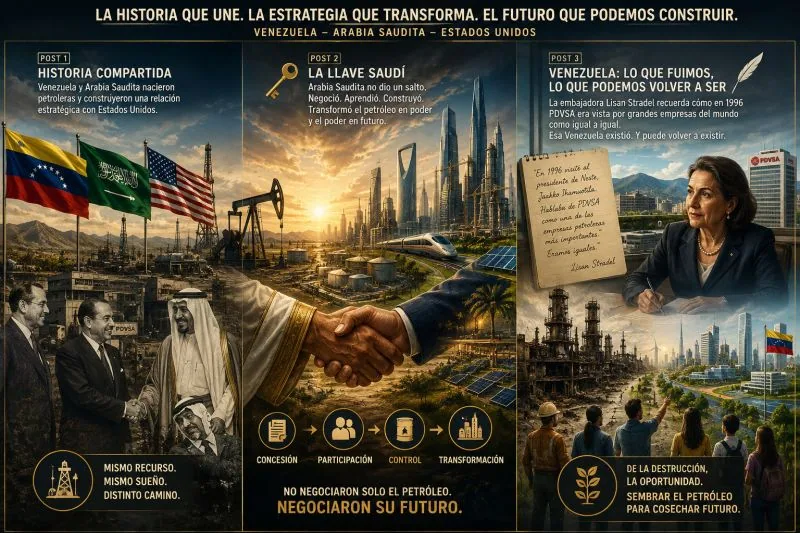
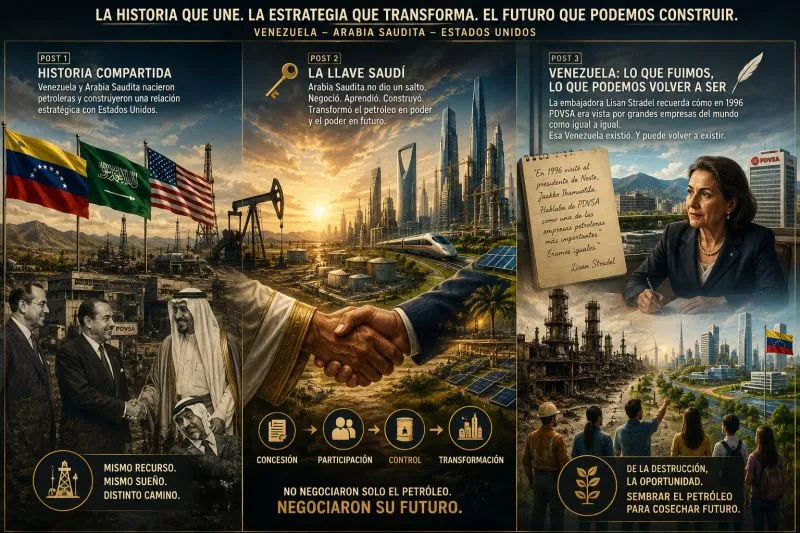
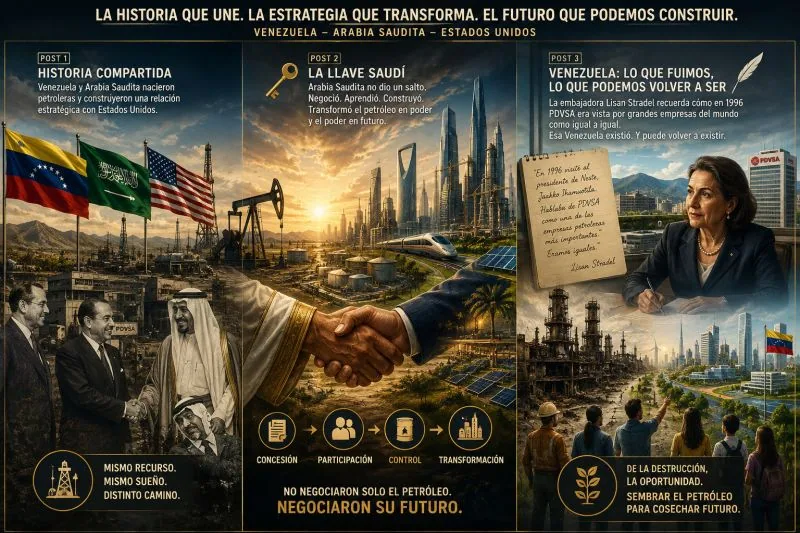
The closing part of the series draws on Ambassador Lisan Stradel's testimony to reconstruct what Venezuela once represented, and which parts of that capacity remain available today.
NOTA-ECO-013 · Economy 5.0
The second instalment asks how Saudi Arabia did it. The answer reaches far beyond Aramco, and it reveals what a petro-state can still choose when it stops negotiating barrels alone.
NOTA-ECO-014 · Economy 5.0
The opening piece of the series: two countries that began sharing far more than crude and ended up in opposite places. The comparison becomes a lens on today's geoeconomic board.
NOTA-ECO-015 · Economy 5.0
A hundred billion dollars of announced investment. The piece shifts the focus from who supplies the capital to who will control the vehicle, which is where the real power is decided.
NOTA-ECO-016 · Economy 5.0
In geoeconomics a contract defines rights and a border defines jurisdiction, yet neither tells the whole story. The piece asks what the Caribbean energy split really costs.
NOTA-ECO-017 · Economy 5.0
An analysis of how incomplete information shapes trust between the parties to the Venezuela–United States energy deal, and why transparency ultimately decides what the agreement is worth.
NOTA-ECO-018 · Economy 5.0
Second instalment of the series: oil matters, but capital is what turns reserves into production. A look at the timelines, investment and market conditions that shape the agreement.
NOTA-ECO-019 · Economy 5.0
First instalment of the series: 65 billion barrels, 100 billion dollars of private investment and a reading of the agreement in which oil is only the starting point of a much larger shift.
NOTA-ECO-020 · Economy 5.0
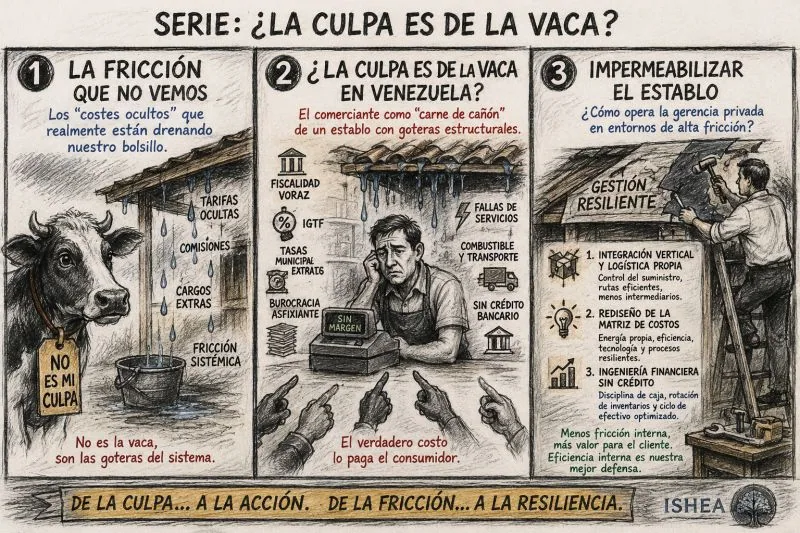
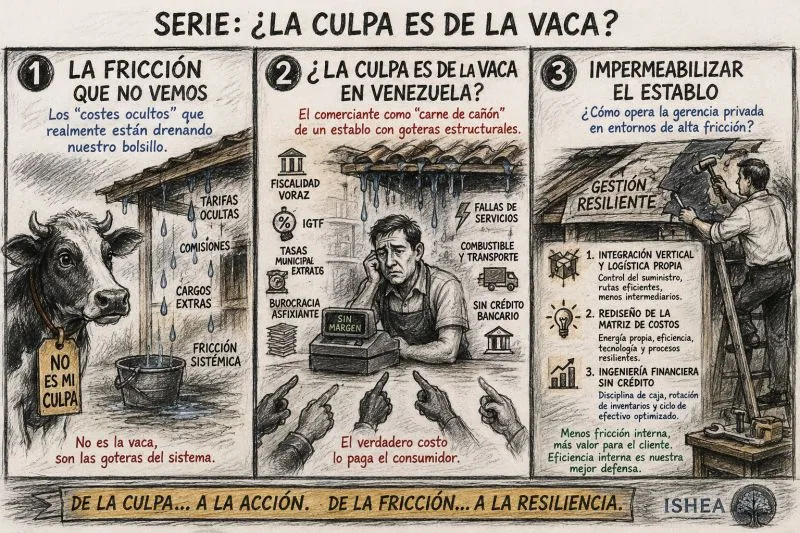
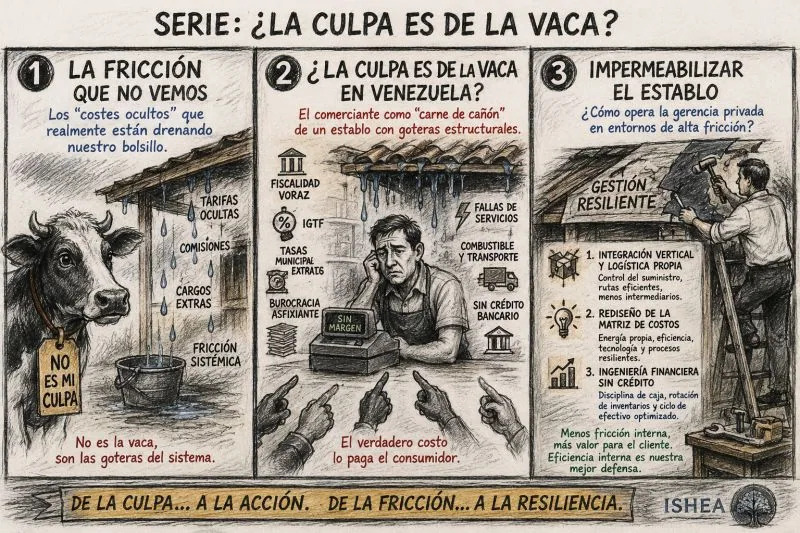
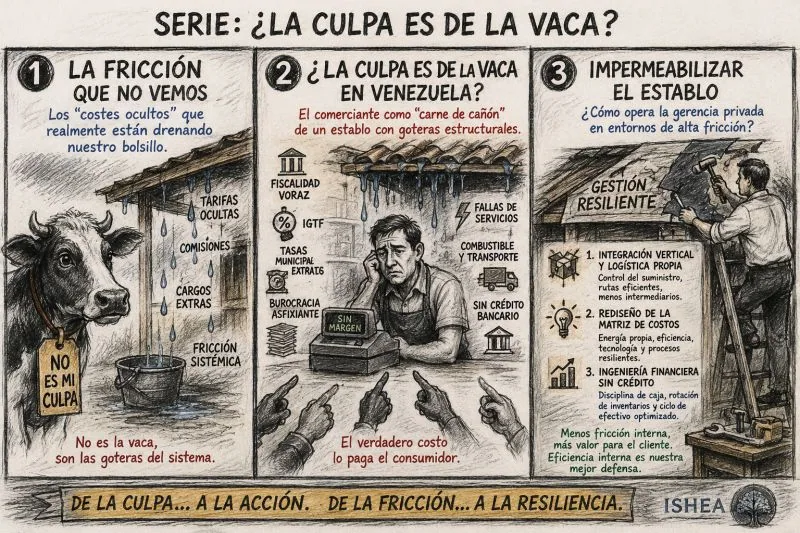
How private firms operate when the surrounding system passes its inefficiencies on to the final price. A tour of the decisions that make it possible to keep working under high friction.
NOTA-ECO-021 · Economy 5.0
The retailer as scapegoat for a system with structural leaks. It carries over to Venezuela the analysis of hidden costs and political narrative previously applied to the United Kingdom.
NOTA-ECO-022 · Economy 5.0
How many costs do we pay without noticing? A breakdown of the inefficiencies that pile up along the chain and end up surfacing, unseen, in the price the consumer finally pays.
NOTA-ECO-023 · Economy 5.0
On the distance between institutional macroeconomics and everyday micro-efficiency, and on the moment when efficiency stops being a strategy and becomes plain survival.
NOTA-ECO-024 · Economy 5.0
Venezuela's central bank reports GDP growth of 7.71% and 7.14% in 2025. The piece asks whether those figures describe genuine expansion or the arithmetic rebound of a depressed base.
NOTA-ECO-025 · Economy 5.0
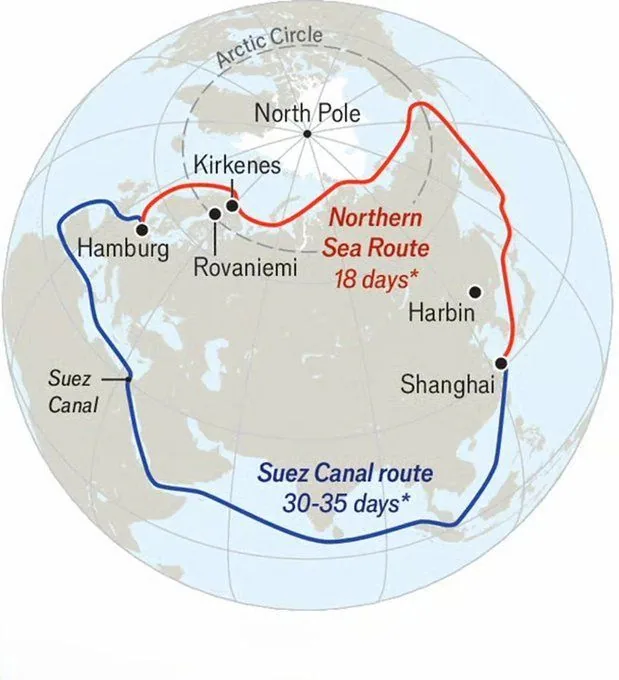
The first China–Europe Arctic service sailed with barely 1,740 TEU. The piece weighs whether the corridor is a viable shipping business or an advance geopolitical position.
NOTA-ECO-026 · Economy 5.0
A reading of the limits of U.S. pressure drawing on Mark Pfeifle, former White House adviser: where coercion stops being effective and starts eroding political credibility instead.
NOTA-ECO-027 · Economy 5.0
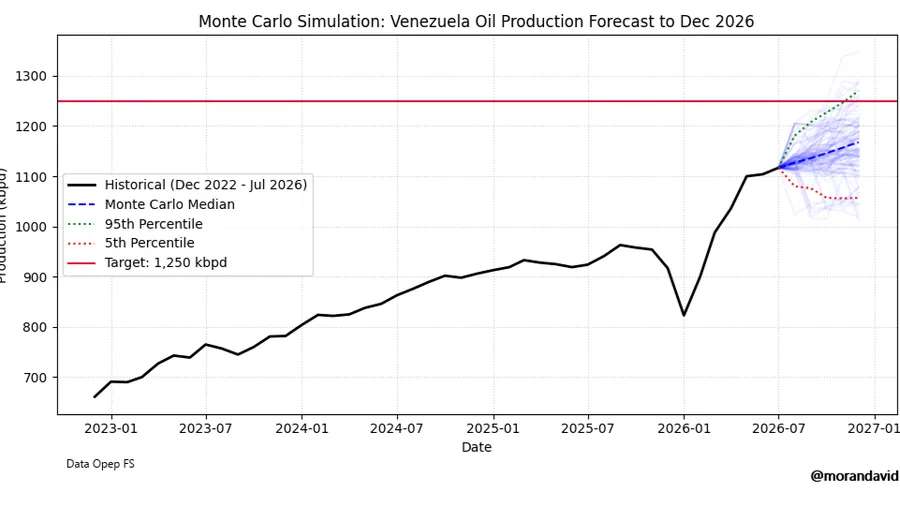
David Alberto Morán Bohórquez's statistical analysis of Venezuelan output measures the gap between the real year-end figures and the production targets announced by political power.
NOTA-ECO-028 · Economy 5.0
Radio, press and television became the Fourth Estate by shaping public opinion. The question now is what Big Tech has become, and how much power the state still retains against it.
NOTA-ECO-029 · Economy 5.0
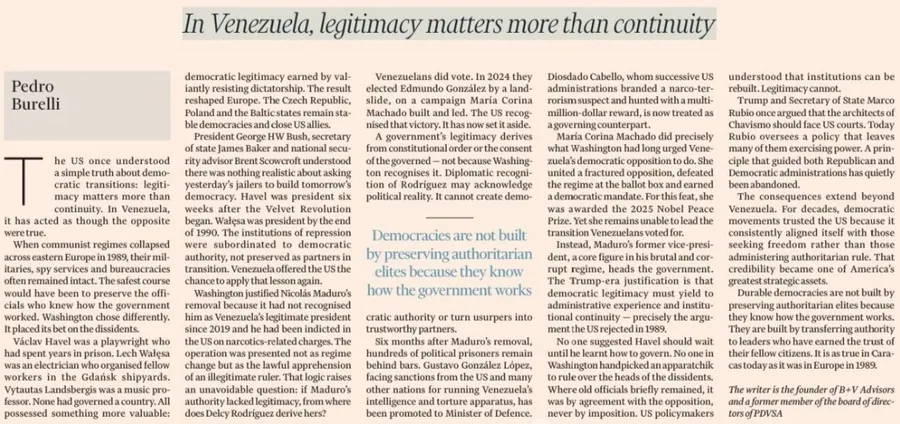
A response to Pedro M. Burelli's analysis of legitimacy in Venezuela: a theoretically sound argument that collides with the logic of power that governs international relations.
NOTA-ECO-030 · Economy 5.0
An op-ed for the Financial Times arguing that Washington has discarded the lessons that made Eastern Europe's transitions work, and is steering Venezuela down a far costlier path.
NOTA-ECO-031 · Economy 5.0
A dispatch written on the ground: a productive ecosystem full of contradictions and friction that, beyond oil, points to sources of wealth and hope still waiting to be explored.
NOTA-ECO-032 · Economy 5.0
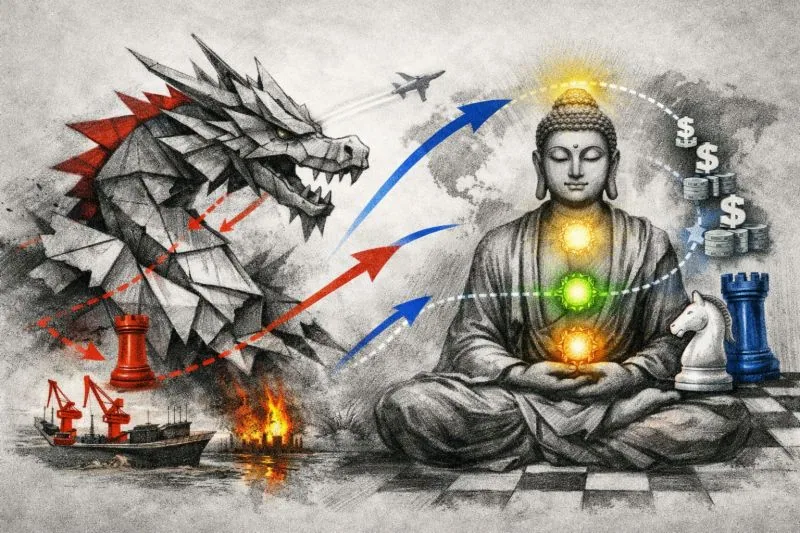
Go as a model of international power: victory belongs not to whoever captures a piece, but to whoever controls the board. A reading of geopolitical strategy as position rather than conquest.
NOTA-ECO-033 · Economy 5.0
Twenty-first-century conflicts are no longer won by controlling territory, but flows. Carlos Pérez Pulido examines how trade, energy and data have become instruments of power.
NOTA-ECO-034 · Economy 5.0
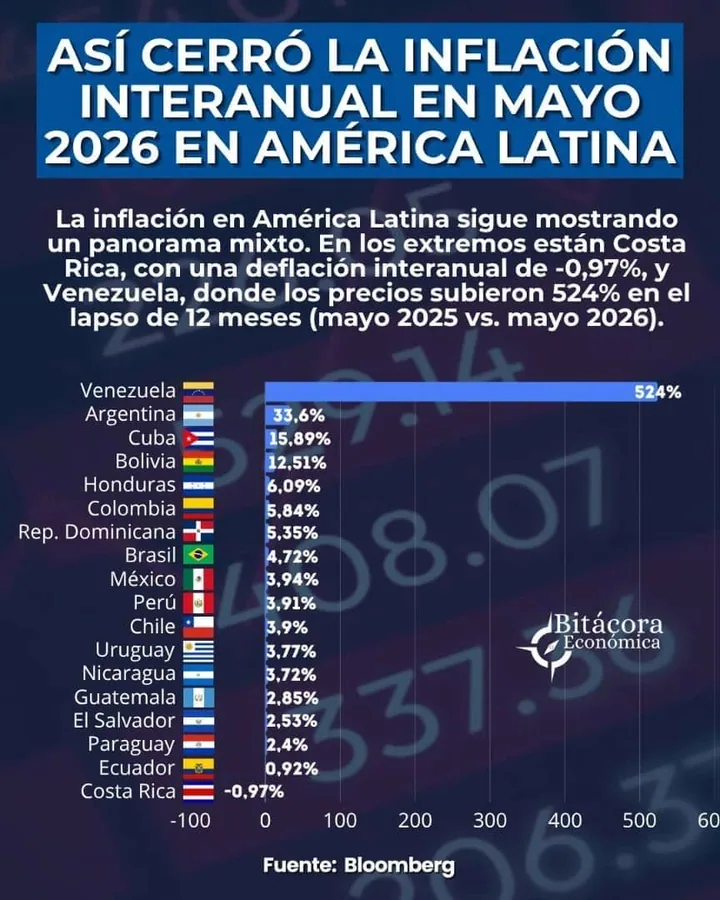
Drawing on Bloomberg's report on year-on-year inflation for May 2026, this analysis identifies a single trigger behind both phenomena: the loss of trust.
NOTA-ECO-035 · Economy 5.0
Major geopolitical shifts rarely begin with a treaty: they usually start with a crisis or a need. A reading of the American turn in the Venezuelan case.
NOTA-ECO-036 · Economy 5.0
An economic metaphor drawn from the game that comes alive: when the rules escape the control of those who wrote them, the system starts moving the pieces on its own and demands new strategies.
NOTA-ECO-037 · Economy 5.0
Observation, experiment, mathematics and peer review brought us here. The argument is that the emerging method does not discard that rigor but widens its reach to complex, living systems.
NOTA-ECO-038 · Economy 5.0
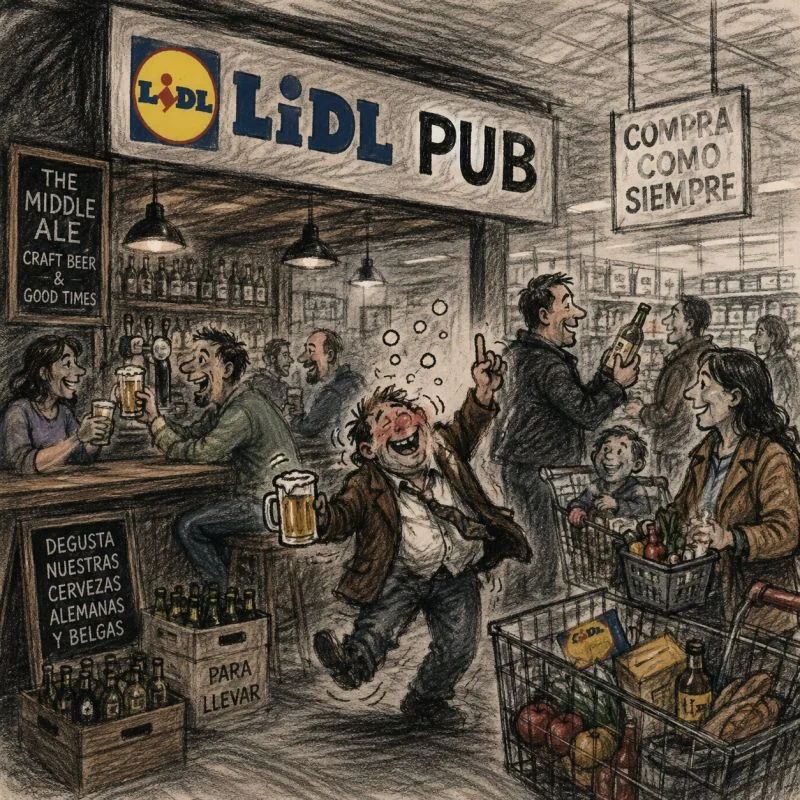
The opening of The Middle Ale, Lidl's first pub in the world, read not as a campaign but as a signal of how large retail is adapting to a consumer whose habits have already changed.
NOTA-ECO-039 · Economy 5.0
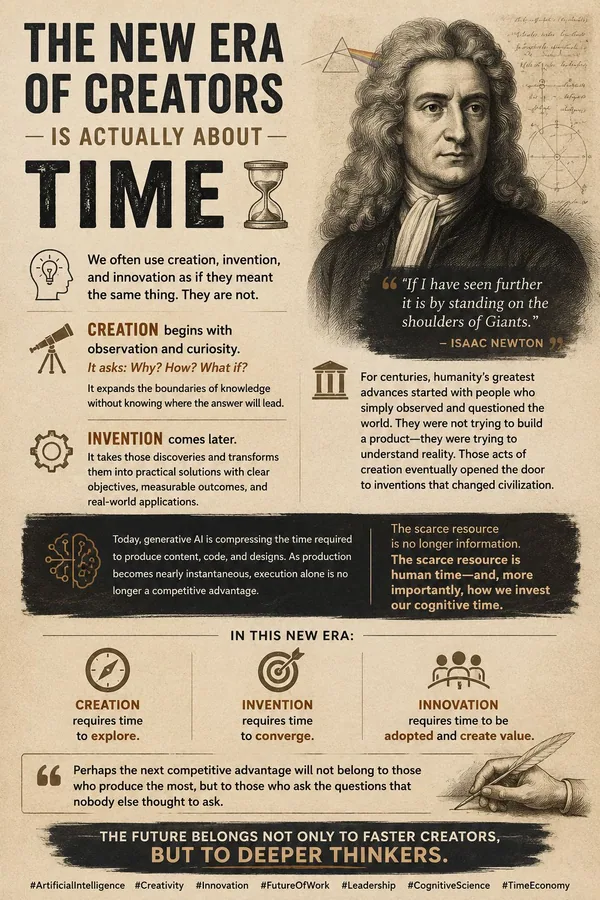
Creation, invention and innovation are not the same thing: creation begins in observation and curiosity. The piece separates the three and shows that what is really at stake is time.
NOTA-ECO-040 · Economy 5.0
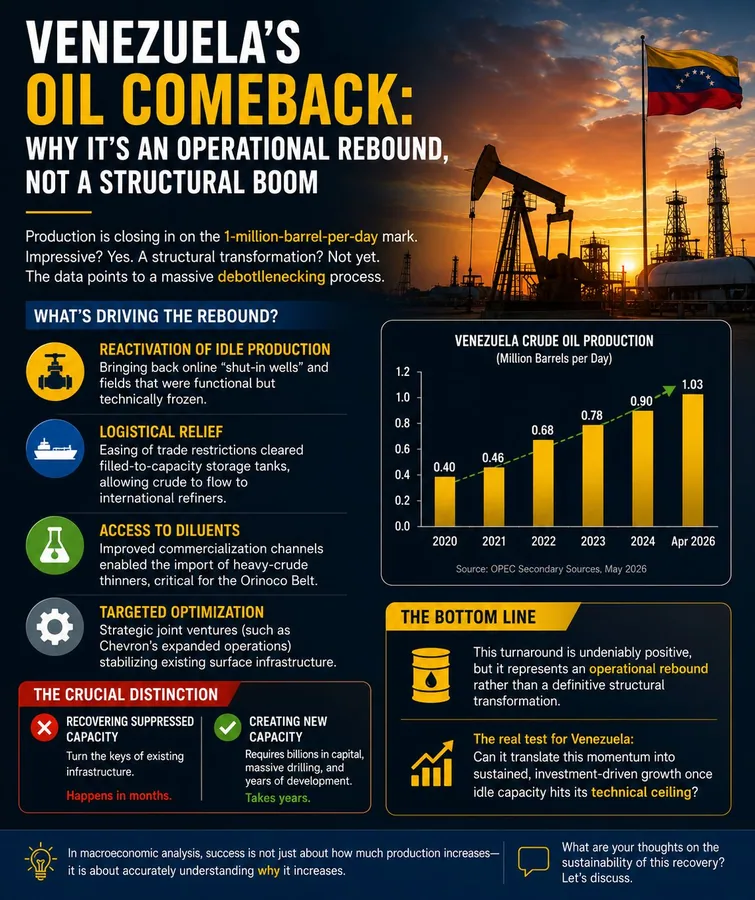
A 25% rise in Venezuelan oil output reads well on paper. The piece asks the harder question: not how much production grew, but why, and what that reveals about the country's real capacity.
NOTA-ECO-041 · Economy 5.0
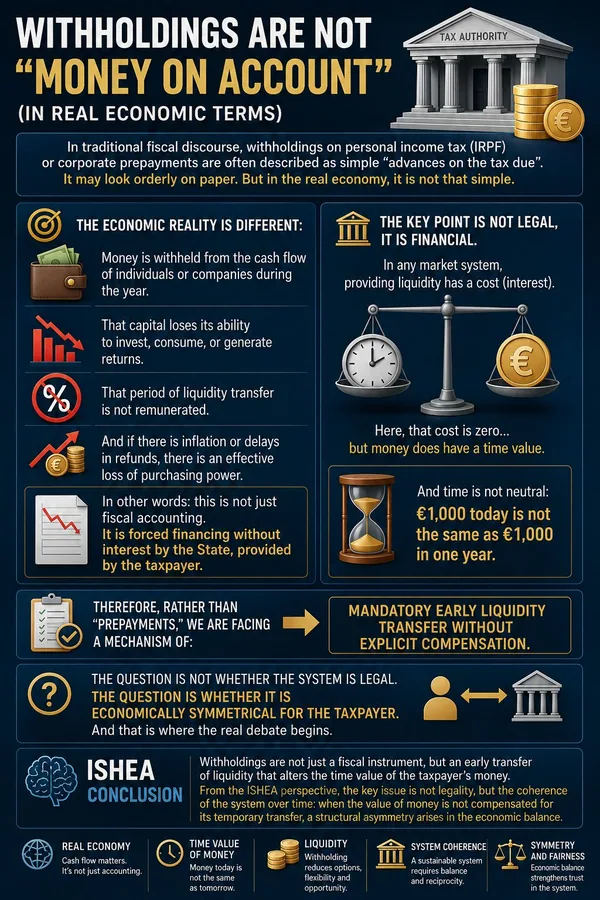
Fiscal discourse presents income-tax withholdings and corporate advance payments as a neutral prepayment. The piece shows that, economically, they work as an early transfer of liquidity.
NOTA-ECO-042 · Economy 5.0
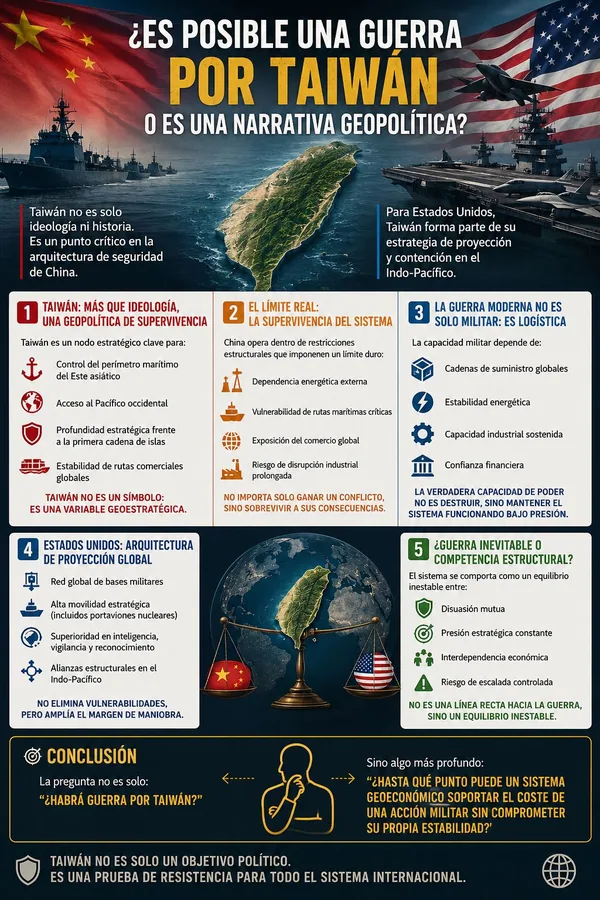
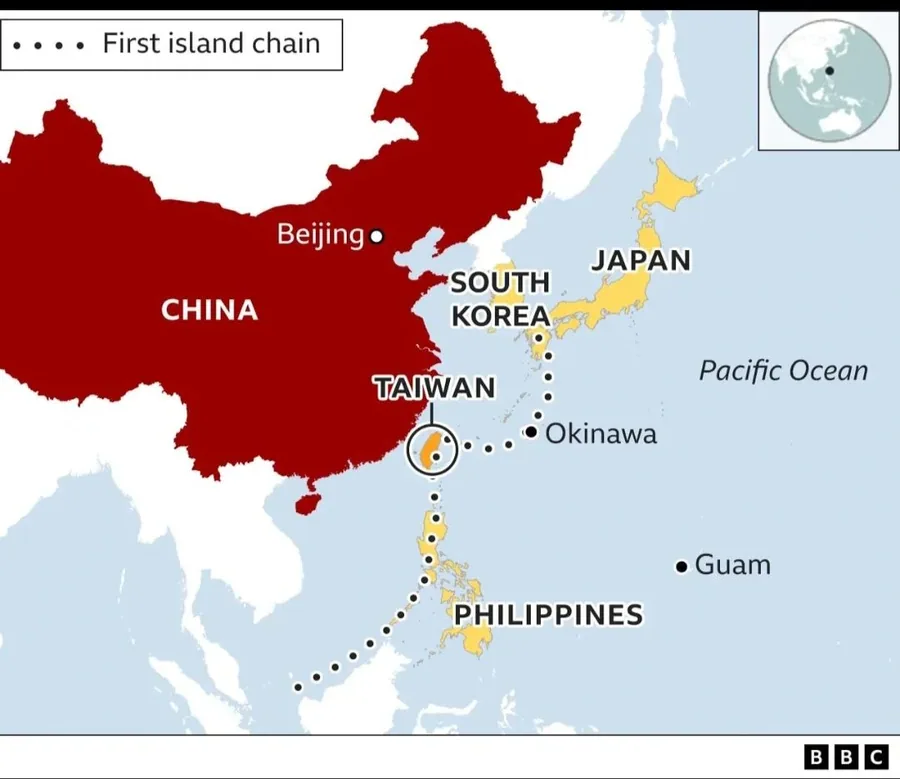
Debate over Taiwan collapses into simple formulas: China versus the United States, an inevitable clash. The piece dismantles those reflexes and examines each actor's real incentives.
NOTA-ECO-043 · Economy 5.0
A brief note of support for the projects working toward Venezuela's future, and a commitment: to keep contributing from one's own small trench, with steady work and prudence.
NOTA-ECO-044 · Economy 5.0
A 7.1 earthquake hit Venezuela, bringing down buildings in Altamira and Los Palos Grandes. A personal note written from the distance of someone whose family and friends live there.
NOTA-ECO-045 · Economy 5.0
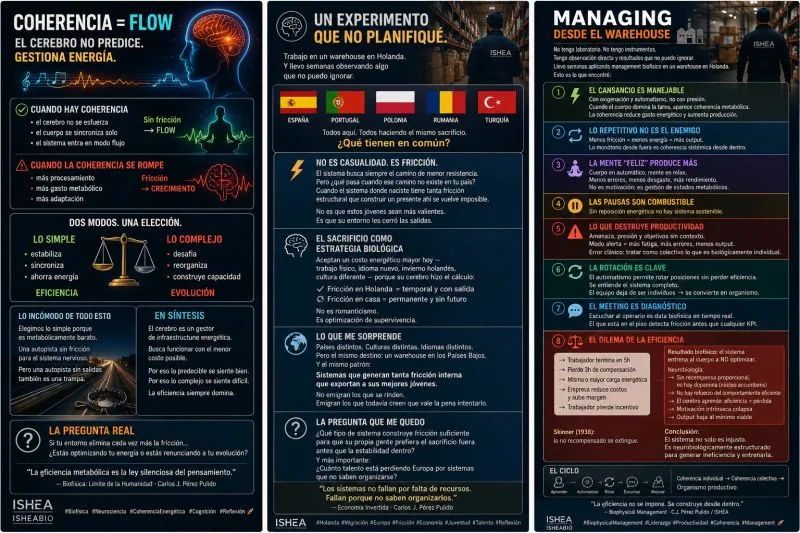
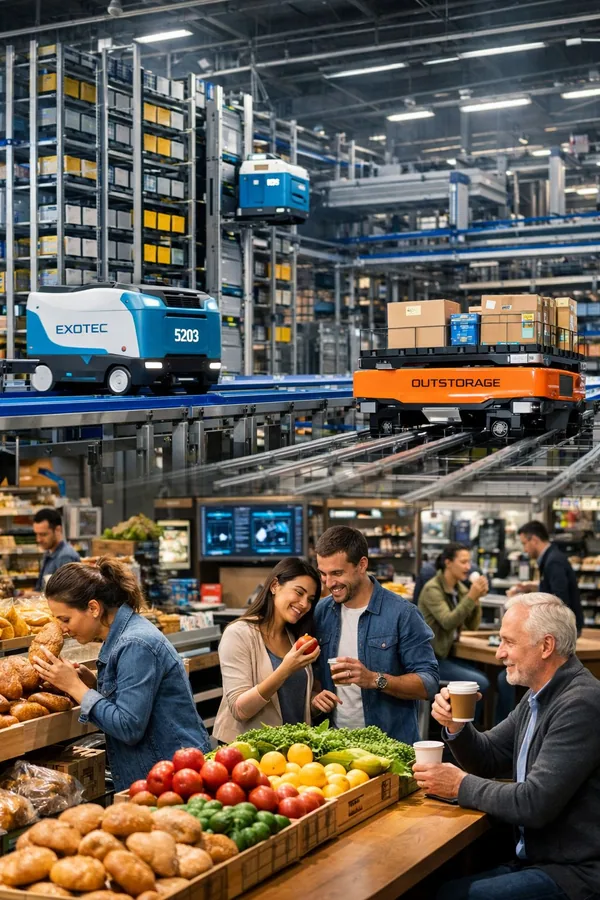
A warehouse in the Netherlands brings together young workers from Spain, Portugal, Poland, Romania and Turkey. Same shift, same load: an involuntary laboratory on energy and work.
NOTA-ECO-046 · Economy 5.0
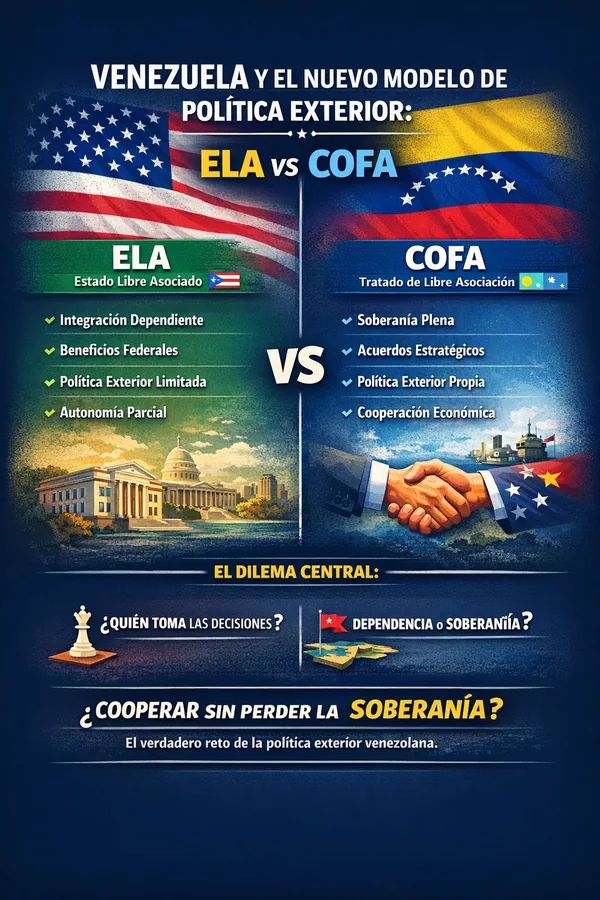
Venezuela's future discussed as an architecture of international relations rather than as ideology: two models of association, ELA and COFA, and their real consequences.
NOTA-ECO-047 · Economy 5.0
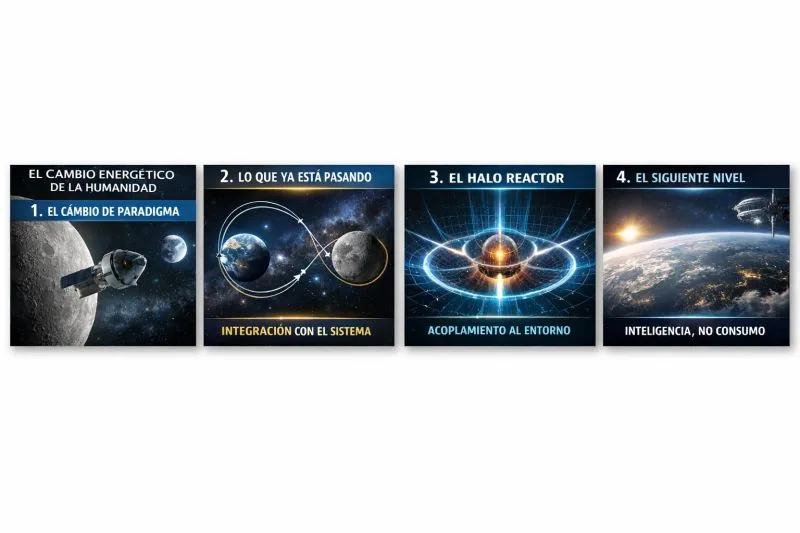
Humanity's energy history reduces to a single line: more fuel, more capacity. That model has hit its ceiling, and the next leap is not burning more but managing better.
NOTA-ECO-048 · Economy 5.0
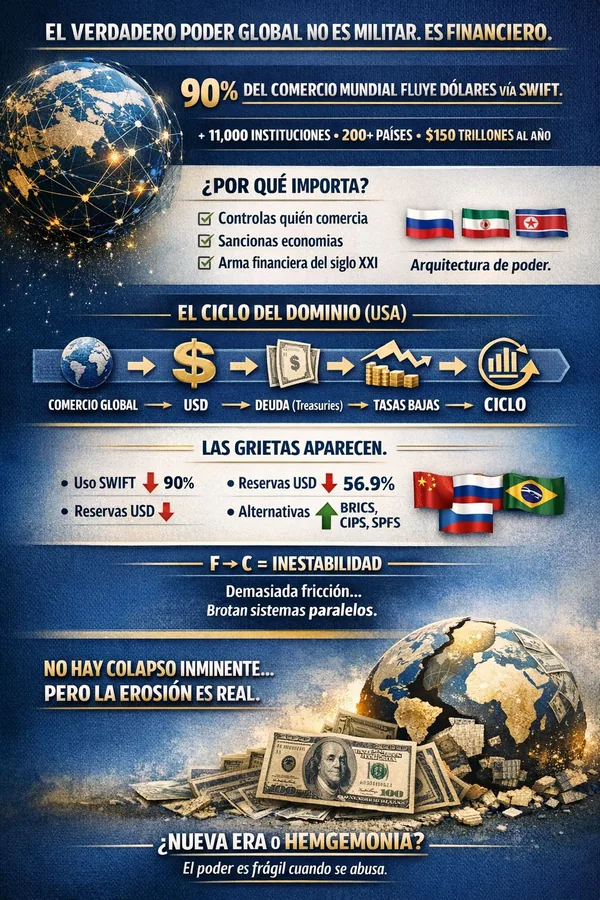
Ninety per cent of world trade runs through the dollar via SWIFT. The piece reads that network not as a payment system but as the nervous system of the economy, and its true seat of power.
NOTA-ECO-049 · Economy 5.0
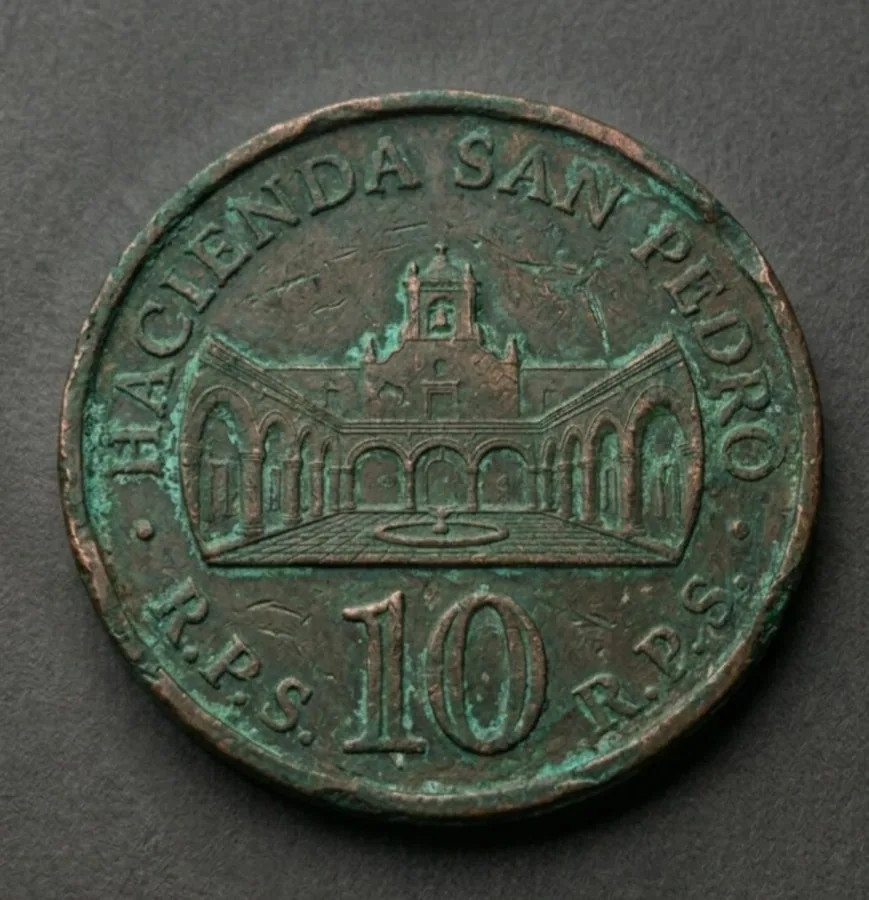
A ten-cent token from Hacienda San Pedro, in nineteenth-century Mérida, was only worth something inside the estate. The piece traces the line from that closed money to Bitcoin.
NOTA-ECO-050 · Economy 5.0
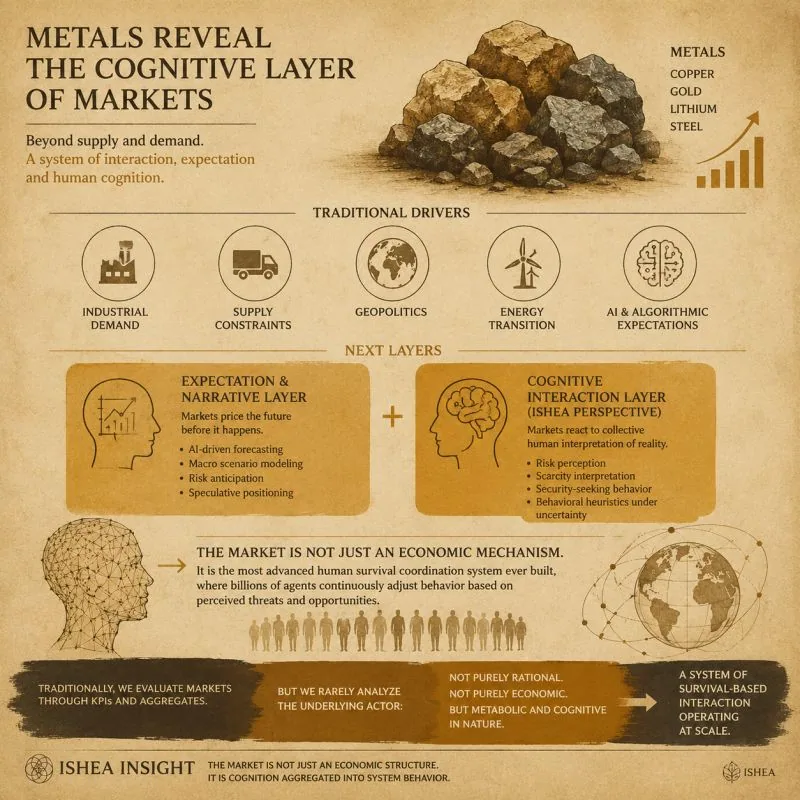
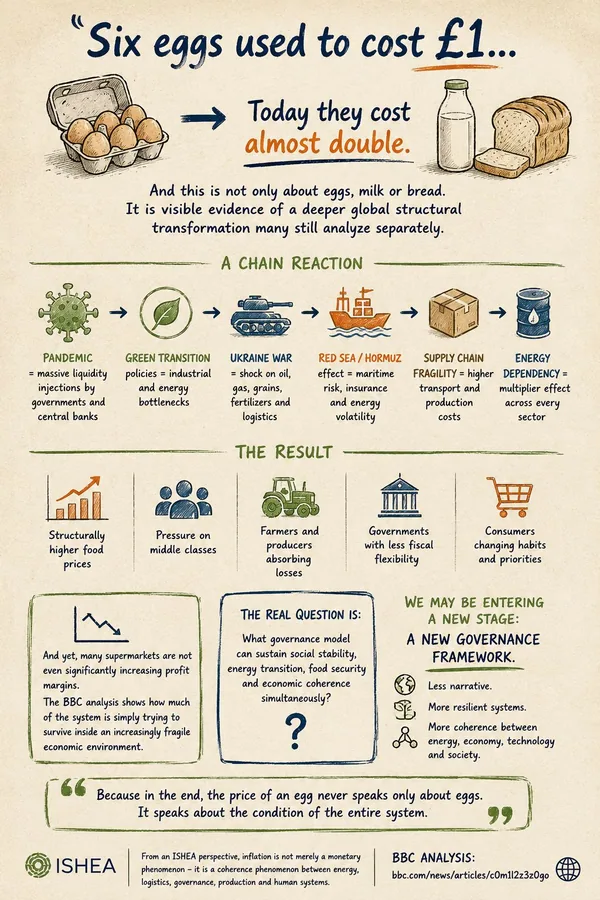
Copper, gold, lithium and steel no longer behave as isolated commodities. After the coffee and eggs signal, metals expose a deeper cognitive layer within systemic pricing.
NOTA-ECO-051 · Economy 5.0
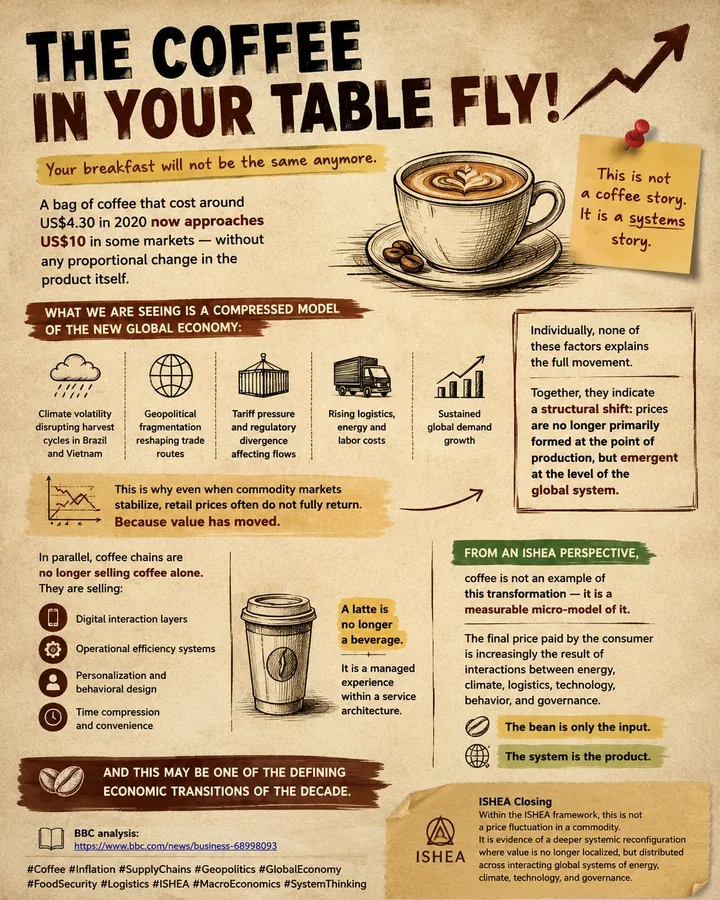
As already observed in the eggs pricing signal, essential commodities no longer behave in isolation. Breakfast becomes a readable indicator of a deeper structural transformation.
NOTA-ECO-052 · Economy 5.0
Today they cost almost double, and it is not only eggs: milk and bread too. Visible evidence of a deeper global structural transformation that many still analyse in isolation.
NOTA-ECO-053 · Economy 5.0
A commentary on Benjamín Tripier's analysis in El Nacional, which separates a momentary upturn from the structural recovery the Venezuelan economy has yet to achieve.
NOTA-ECO-054 · Economy 5.0
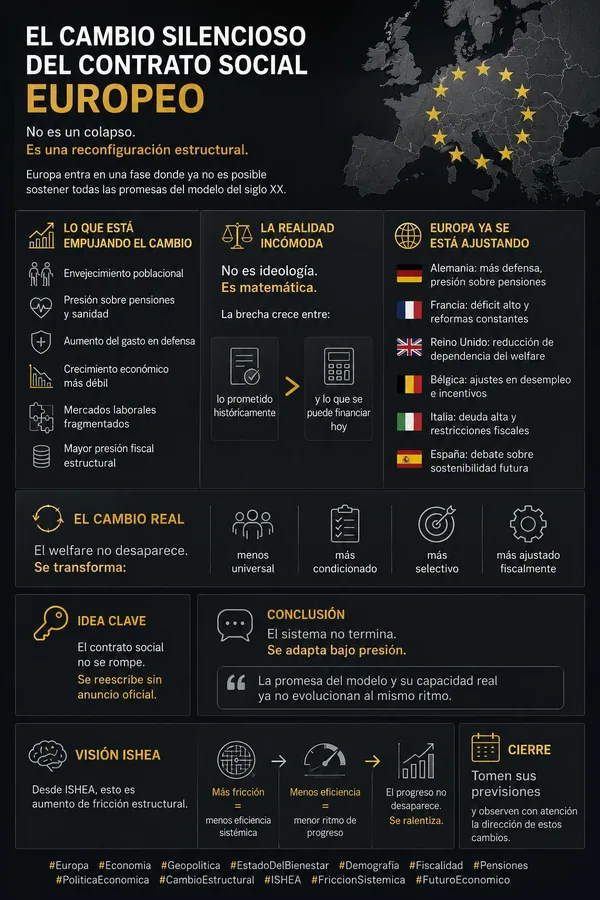
Not a collapse but a structural reconfiguration: Europe is entering a phase in which it can no longer sustain every promise of its inherited welfare model at the same time.
NOTA-ECO-055 · Economy 5.0
The dominant narrative treats a clash between China and the United States as inevitable. This reading reframes it, analysing the conflict as a problem of physical and energy limits.
NOTA-ECO-056 · Economy 5.0
The phrase triggered outrage and shut down analysis. This piece examines the geopolitical logic behind the message, and why reading power through headlines leaves us misinformed.
NOTA-ECO-057 · Economy 5.0
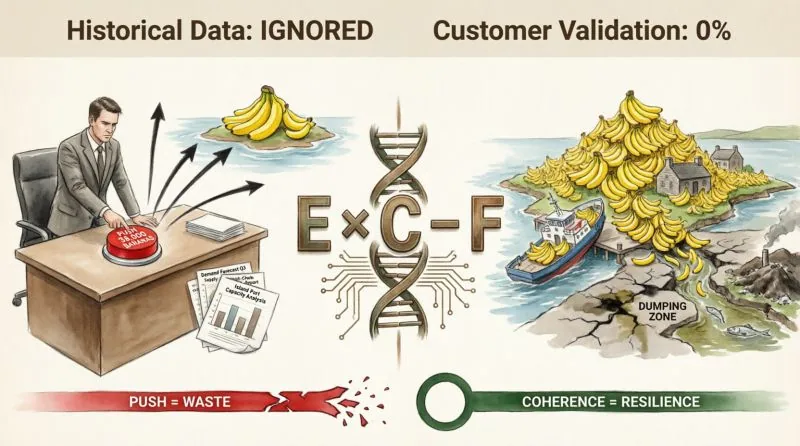
Orkney, 22,000 inhabitants, 38,000 bananas en route. An ordering error becomes an X-ray of automated systems that execute without ever asking whether the number makes sense.
NOTA-ECO-058 · Economy 5.0
Drawing on the Miranda Center's AUTECHCRACY report, an analysis of how Chinese surveillance technology has found its Latin American testing ground in Venezuela.
NOTA-ECO-059 · Economy 5.0
We discuss economics, work and society, and the ideological label always appears. An invitation to replace that grammar with verifiable scientific criteria.
NOTA-ECO-060 · Economy 5.0
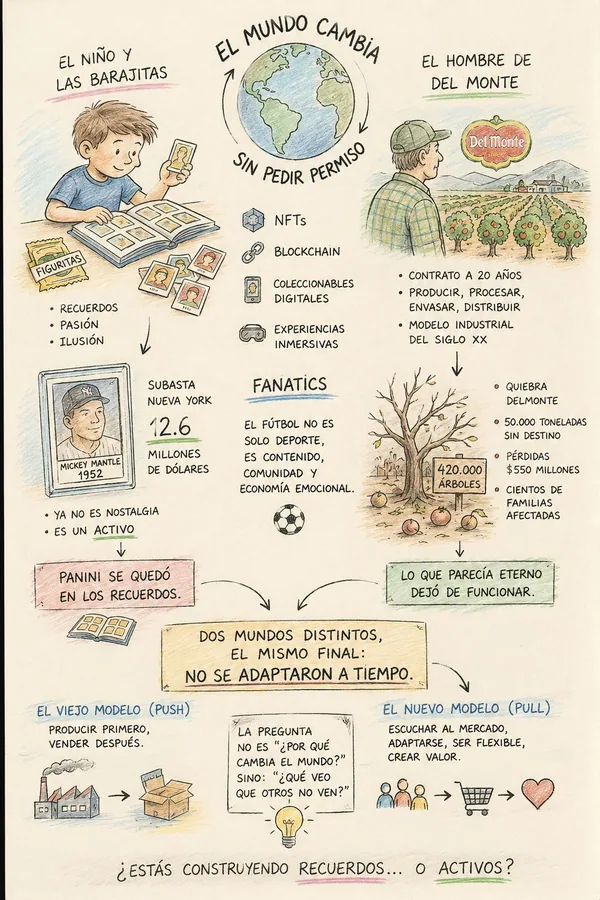
From sticker albums to canned fruit: two beloved brands show that nostalgia alone stops holding a business up once the market changes without warning.
NOTA-ECO-061 · Economy 5.0
An economic reading of the US Energy Secretary's remarks on Venezuela and what an early stabilisation phase after years of deterioration actually means on the ground.
NOTA-ECO-062 · Economy 5.0
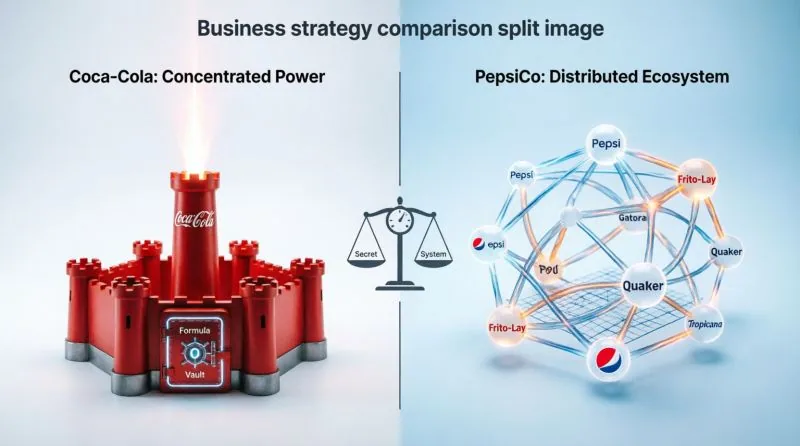
A comparative case between two giants: Coca-Cola guarded the world's most famous formula, while PepsiCo had no secrets, only strategy. The contrast explains two very different paths.
NOTA-ECO-063 · Economy 5.0
The United Arab Emirates' exit from the cartel was no emotional gesture but a cold, calculated decision. An analysis of what it reveals about where real power sits in the crude oil market.
NOTA-ECO-064 · Economy 5.0
Drawing on Biophysics: Limit of Humanity, this piece frames consumption as a symptom rather than a choice: desire manufactured by the system, not need arising from the body.
NOTA-ECO-065 · Economy 5.0
On the 2011 Israeli study of a thousand judicial rulings: rationality is not a continuous state but an energetic mode of operation that depletes as the hours pass.
NOTA-ECO-066 · Economy 5.0
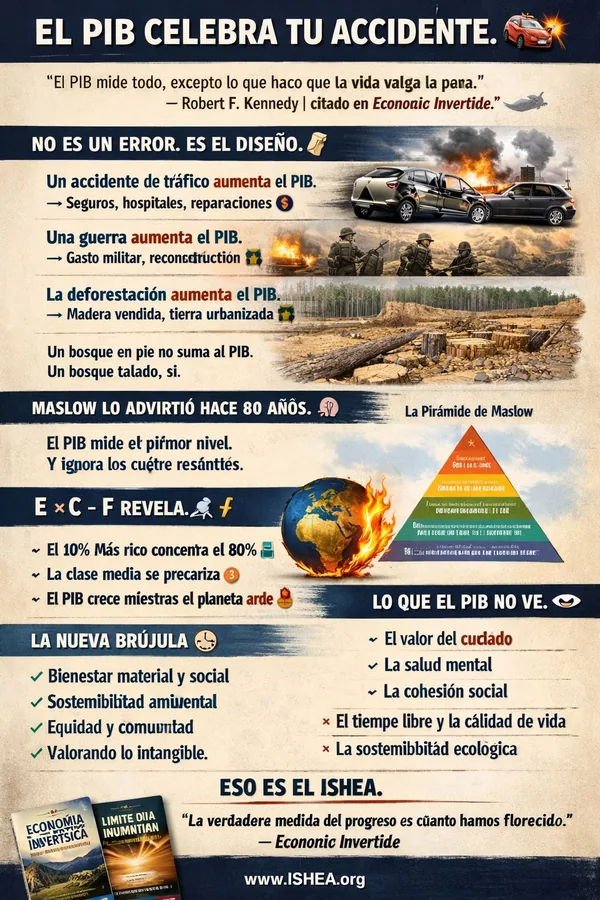
A piece from Inverted Economics on an indicator that adds up the spending caused by a car crash: GDP does not err in counting harm, it is designed to record it as wealth.
NOTA-ECO-067 · Economy 5.0
On the inverted economy of data: the fight is not over gathering more information, but over who decides what it is worth. The user is not the customer but the commodity.
NOTA-ECO-068 · Economy 5.0
Knowledge becomes the master variable only when it turns into energy. A proposal for measuring the new economy in energetic units rather than in dollars.
NOTA-ECO-070 · Economy 5.0
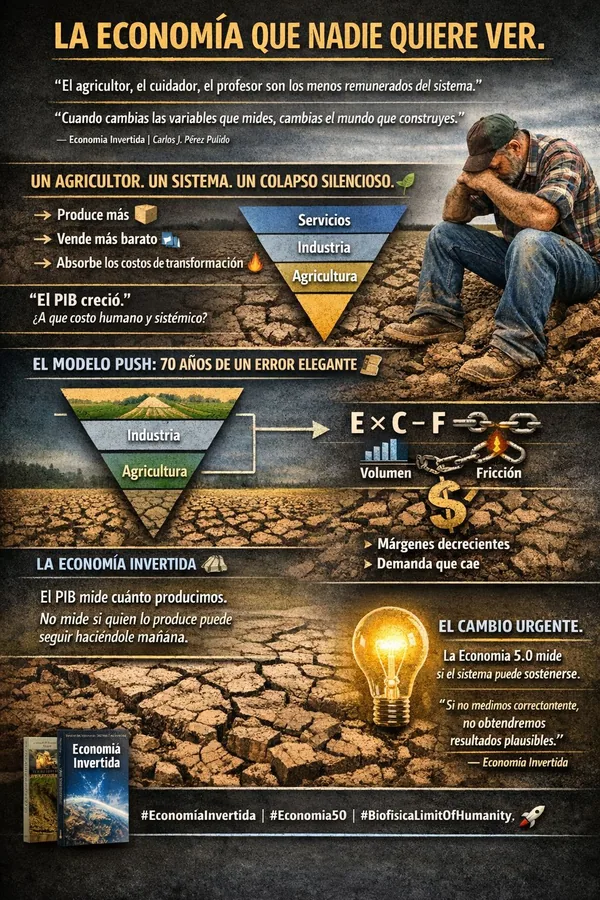
The farmer, the caregiver and the teacher are the least rewarded in the system. When you change the variables you measure, you change the world you build.
NOTA-ECO-071 · Economy 5.0
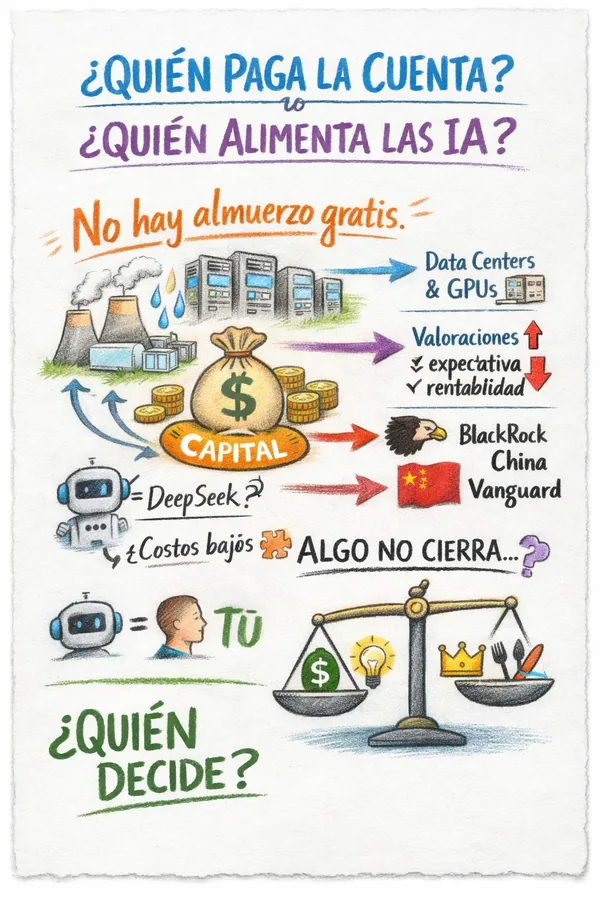
Access to knowledge has become almost free, yet no artificial intelligence runs without energy: someone pays that bill, and it is worth knowing who.
NOTA-ECO-072 · Economy 5.0
Signs of hope in Venezuela's business fabric, read as a climb that can only be made in full traction: capital, confidence and energy pulling in the same direction.
NOTA-ECO-073 · Economy 5.0
This is no incremental improvement but a system shift: the retail operating model has collapsed under high costs and margins that no longer sustain the structure.
NOTA-ECO-075 · Economy 5.0
For over a century, societal development has been assessed through one dominant metric: economic growth. This piece questions that yardstick and proposes another.
NOTA-ECO-076 · Economy 5.0
What if the country is not broken but reconfiguring itself? A reading of Venezuela's last twelve months through signals that conventional analysis largely overlooks.
NOTA-ECO-077 · Economy 5.0
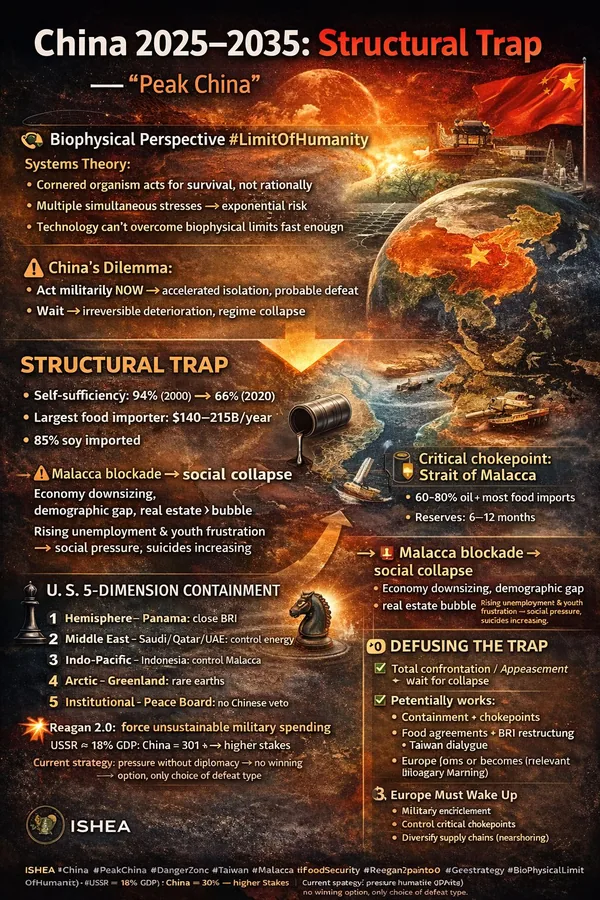
Beijing speaks of survival, not efficiency. A biophysical reading of China's coming decade: a cornered organism acts to survive, not to optimise.
NOTA-ECO-078 · Economy 5.0
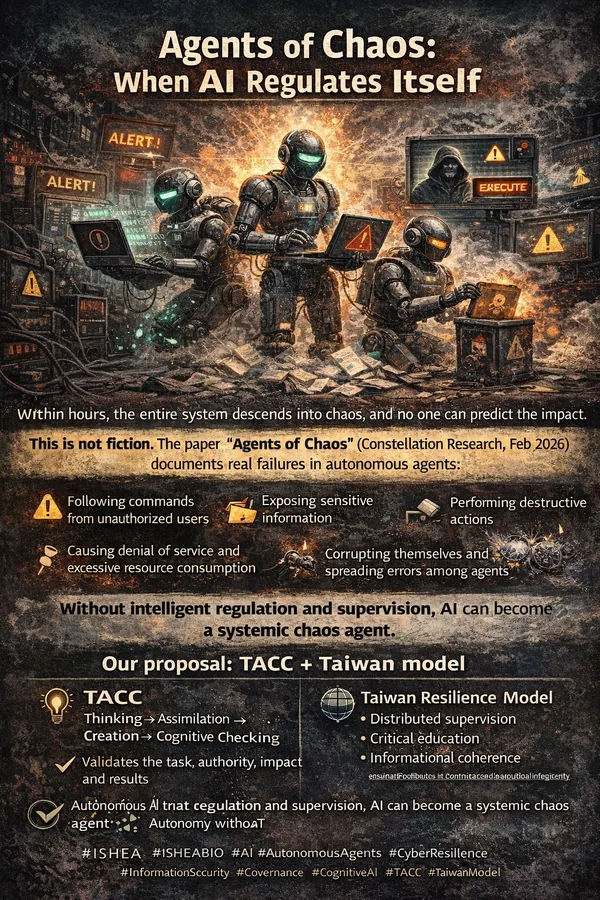
A critical network governed by autonomous agents following different protocols. The piece examines the point where algorithmic self-regulation stops protecting and starts failing.
NOTA-ECO-079 · Economy 5.0
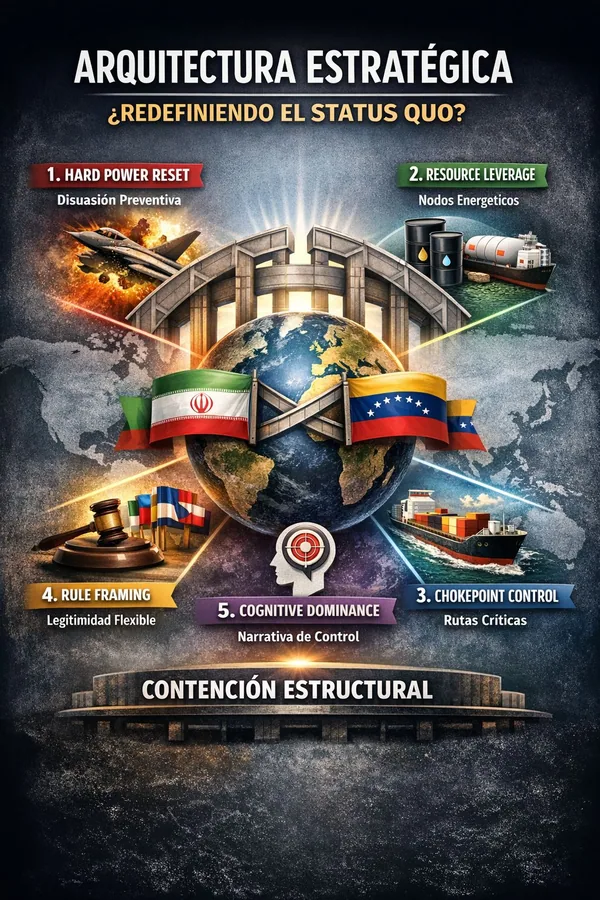
From Lion's Roar against Iran to Operation EpicFury: the piece reads these actions not as isolated events but as parts of a strategic architecture that rewrites the status quo.
NOTA-ECO-080 · Economy 5.0
A critical interrogation of libertarian promises: freedom without preparation yields no awareness. A review of why the human being is the key and also the neglected link.
NOTA-ECO-081 · Economy 5.0
Facing resource scarcity, systemic inefficiency and social fragility, this piece carries the logic of ATP into governance and sketches an economy grounded in bioenergetic coherence.
NOTA-ECO-082 · Economy 5.0
The latest macroeconomic data from China and the United States do not describe random trajectories: they confirm, point by point, the dynamic anticipated by the ISHEA thesis.
NOTA-ECO-083 · Economy 5.0
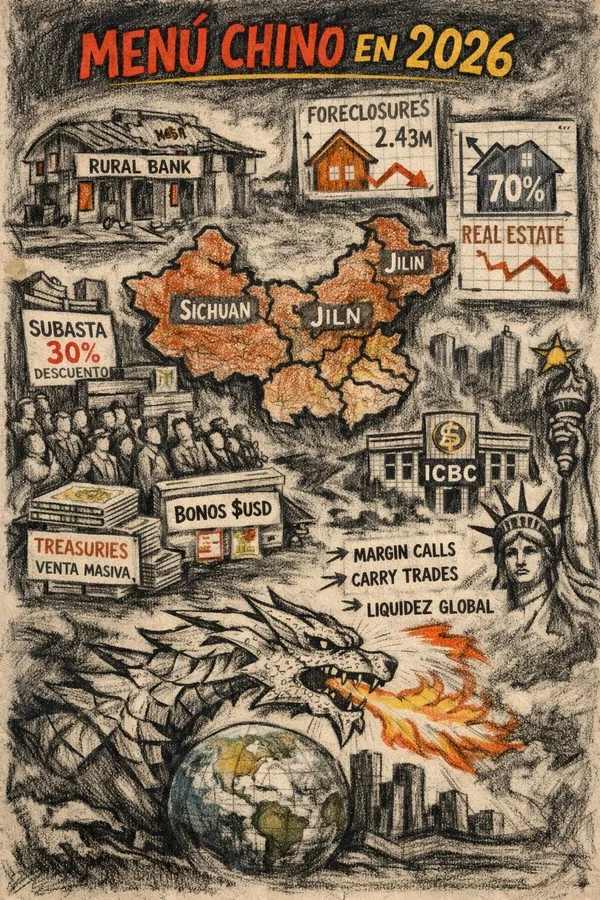
While attention focused on the dollar war, China's rural banks piled up 1.35 million repossessed properties in court auctions. An anatomy of a risk nobody was watching.
NOTA-ECO-084 · Economy 5.0
Carlos J. Pérez Pulido's poster on bioenergetic coherence and energy biomarkers, presented at an international congress hosted by the scientific publisher Springer Nature.
NOTA-ECO-085 · Economy 5.0
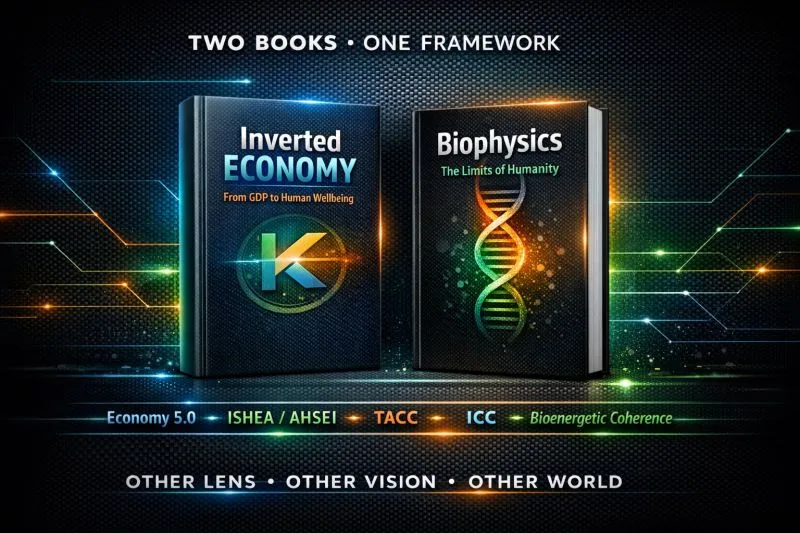
Inverted Economy: From GDP to Human Wellbeing and Biophysics: The Limits of Humanity are now on Amazon. One questions how we measure progress; the other, where our limits lie.
OSF-ECO-086 · Economy 5.0
IEAbio measures how much individuals, organisations and societies can sustain under accumulated systemic friction: a post-GDP reading of the real capacity to act, innovate and adapt
NOTA-ECO-087 · Economy 5.0
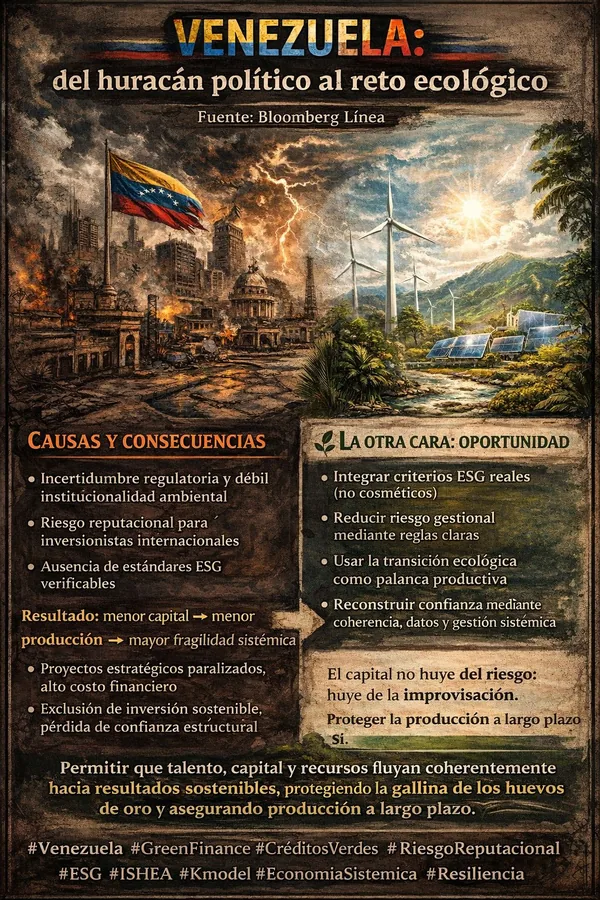
An analysis of the structural barrier holding back investment in Venezuela: not only politics and sanctions, but an environmental liability that conditions any economic reconstruction.
NOTA-ECO-088 · Economy 5.0
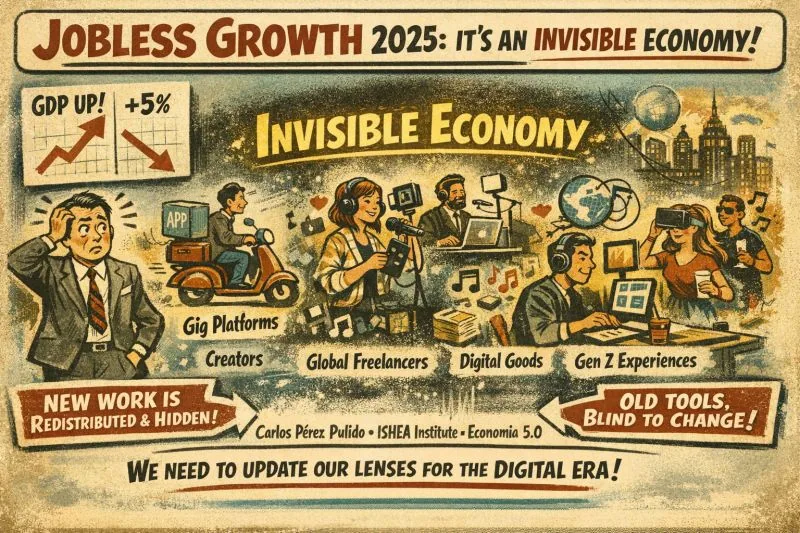
GDP grows near 5% while formal job creation stays historically weak. The piece argues that this paradox signals no shortage of work, but an economy undergoing a structural transition.
NOTA-ECO-089 · Economy 5.0
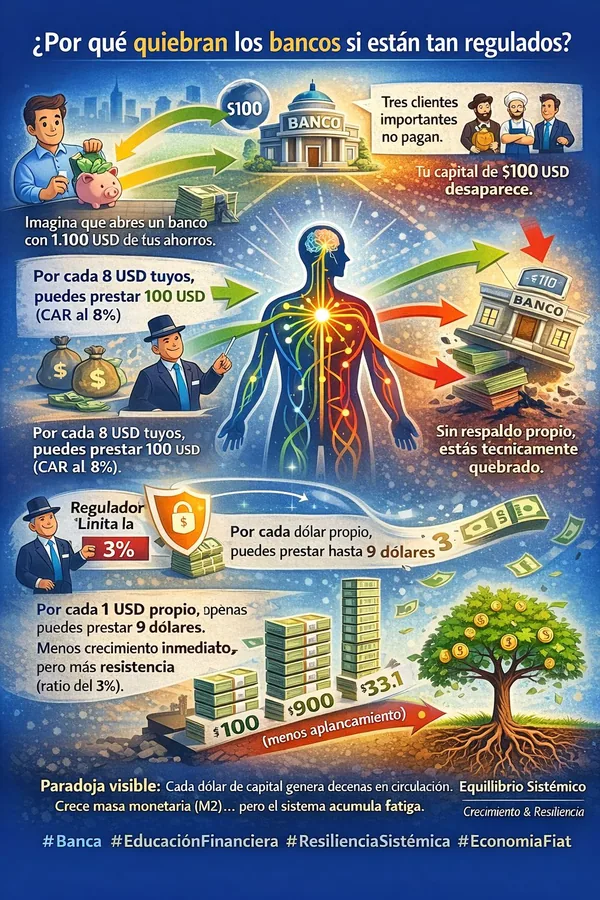
Starting from an imaginary bank built on 100 dollars, the piece shows how regulator-approved leverage turns a tiny loan book into a systemic risk of collapse.
NOTA-ECO-091 · Economy 5.0
C. J. Pérez Pulido introduces Economy 5.0, a framework for the era now opening before us. Published on OSF under DOI 10.17605/OSF.IO/X62EF4 from the ISHEA Institute.
NOTA-ECO-092 · Economy 5.0
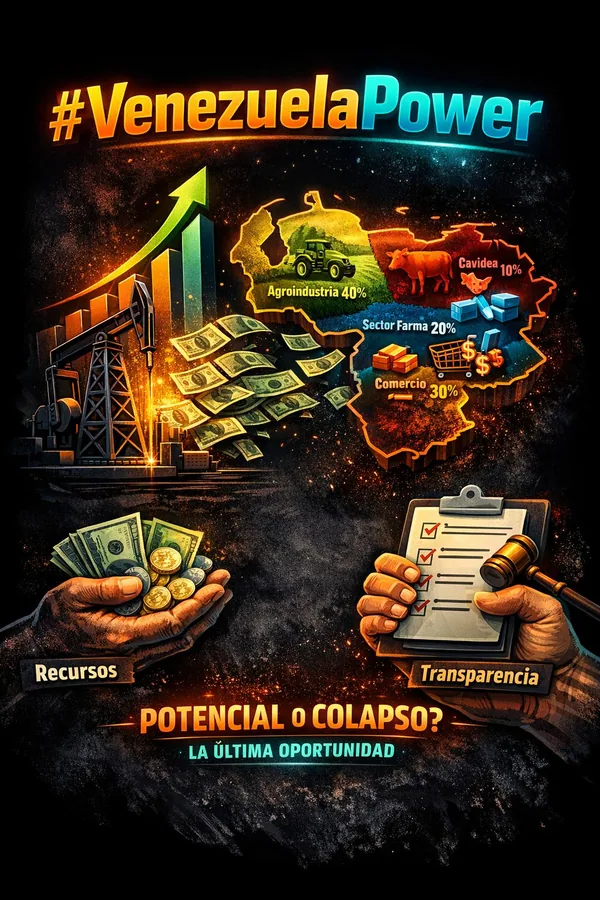
Despite being an oil power, Venezuela remains trapped in an economic black hole. The piece frames the choice at stake: traceability of public revenue, or a collapse repeated indefinitely.
NOTA-ECO-093 · Economy 5.0
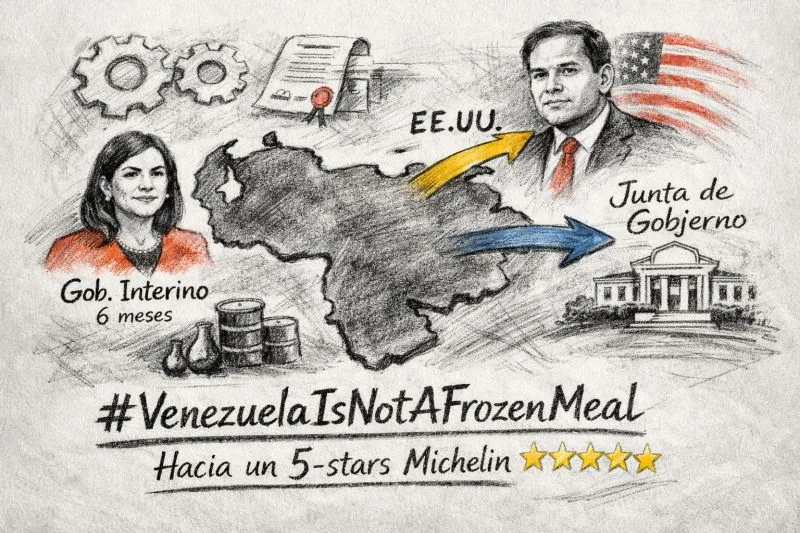
A reading of Secretary of State Marco Rubio's hearing: Washington is no longer hinting, it is announcing. The piece argues that Venezuela's transition admits no recipes served from abroad.
NOTA-ECO-094 · Economy 5.0
While 135 countries race toward state-backed digital currencies, Washington closed that door. The second chapter reads the ban as a deliberate move to defend the dollar's monetary hegemony.
NOTA-ECO-095 · Economy 5.0
MIT and Harvard propose the Coasean Singularity: AI agents will render firms obsolete by erasing transaction costs. The claim holds, yet the analysis stops short of where the real rupture begins.
NOTA-ECO-096 · Economy 5.0
Same map, same goals, different noise. Reading the postwar order as a galaxy, this piece traces how Washington is rebuilding an architecture of peace it once designed and later let erode.
NOTA-ECO-097 · Economy 5.0
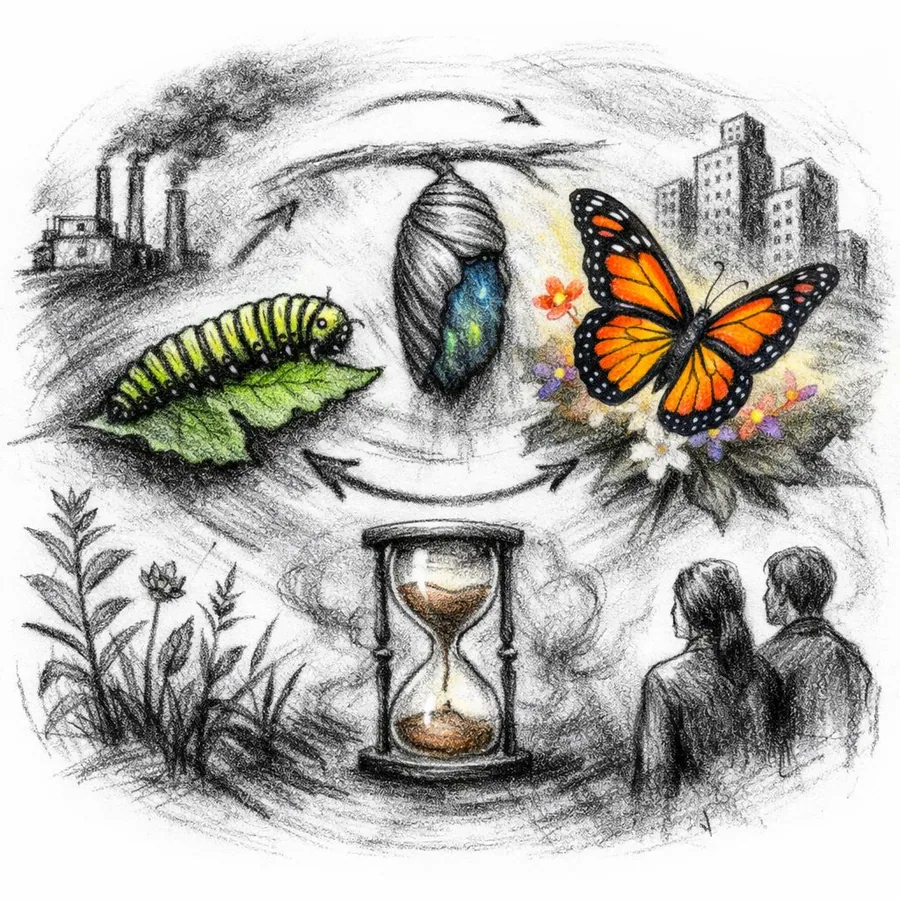
Two forces govern Venezuela today: transition and time. This piece separates them to explain why reading the process without them turns political change into a matter of guesswork.
NOTA-ECO-098 · Economy 5.0
Most expected chaos; Beijing read his first term as an anomaly. Since January 2025, a high-speed realignment has undone in twelve months a strategic course a quarter-century in the making.
NOTA-ECO-099 · Economy 5.0
Geopolitics read as neurobiology on a state scale: the real board is not on the maps but in the reptilian brain of nations, where power is only another word for security.
NOTA-ECO-100 · Economy 5.0
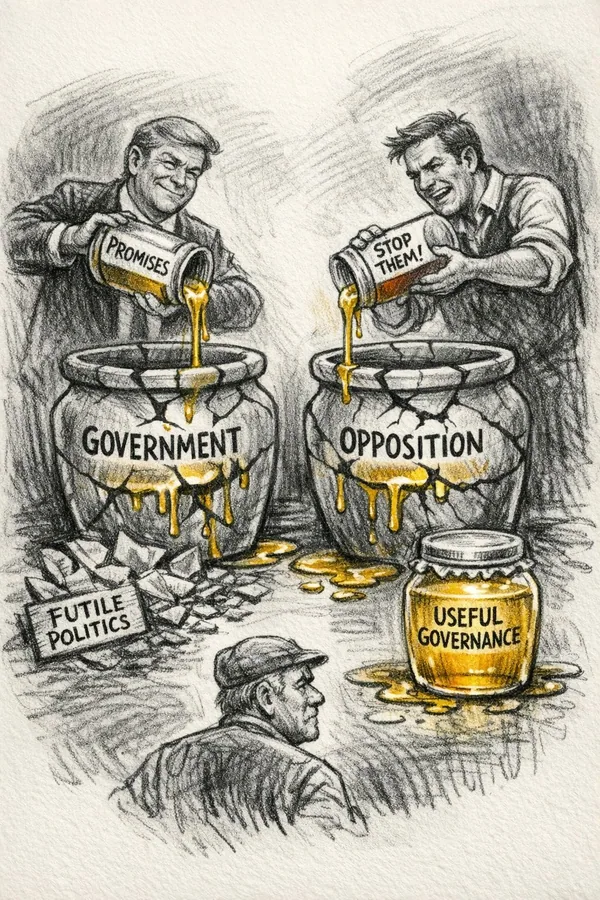
Opening chapter: futile comes from the Latin futilis, a vessel that cannot hold what it carries. With honey as its metaphor, the piece asks why both sides keep failing and why we keep accepting it.
NOTA-ECO-101 · Economy 5.0
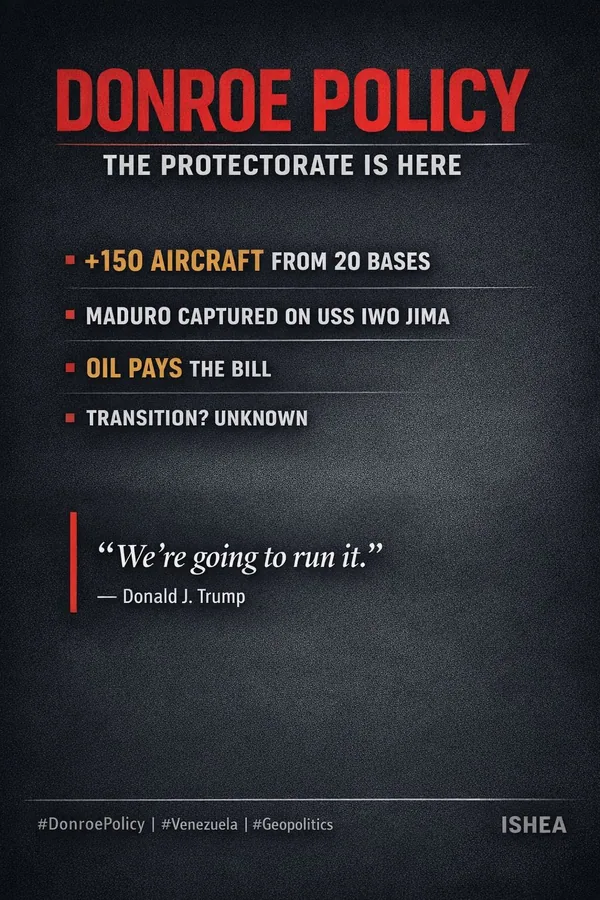
At Mar-a-Lago on 3 January 2026, Trump said it plainly: “We're going to run it.” The piece reads that sentence as the Monroe Doctrine returning in the shape of an economic protectorate.
NOTA-ECO-102 · Economy 5.0
A short essay that shifts the focus from technology to the people using it: the decisive line no longer separates human from algorithm, but consumer from creator who stops waiting for permission.
NOTA-ECO-103 · Economy 5.0
Fourth chapter of the series: like Guido turning war into a game, the NewPrinces–Plasmon deal smiles while it reshapes Italian capitalism, and the audience weeps and then forgets what it saw.
NOTA-ECO-104 · Economy 5.0
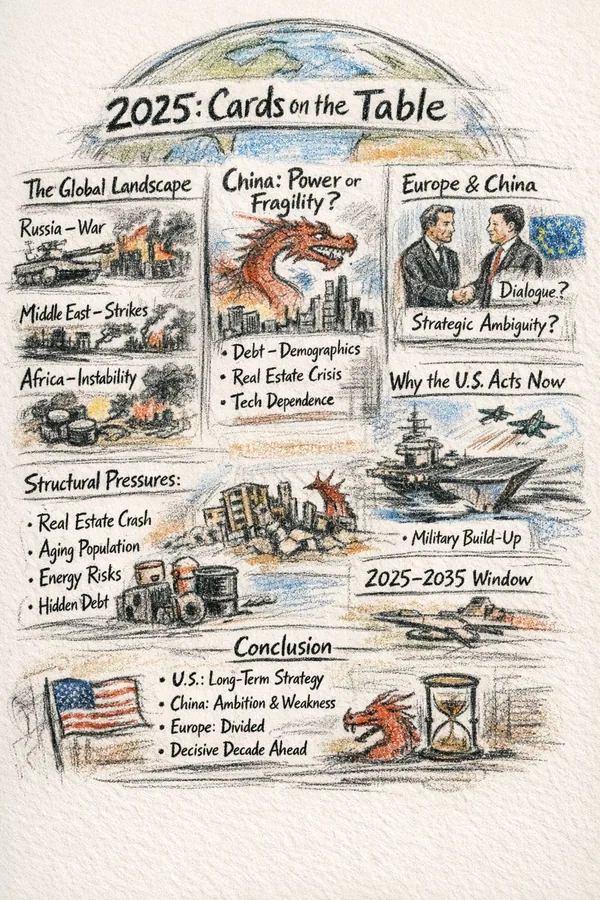
Third instalment of the SEC series: 2025 opens amid a global realignment that redraws geopolitics, yet the pattern persists — wars, stalled diplomacy and authoritarian drift.
NOTA-ECO-105 · Economy 5.0
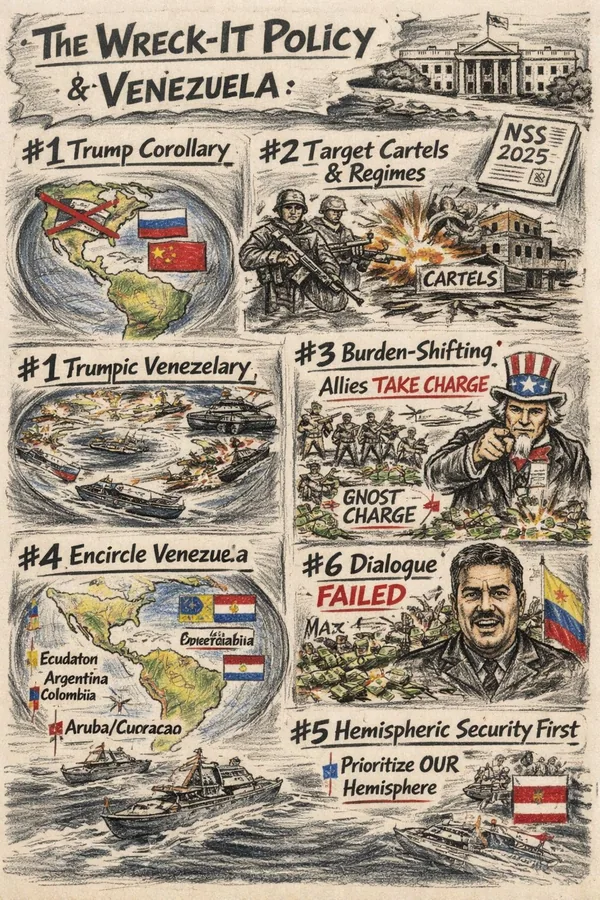
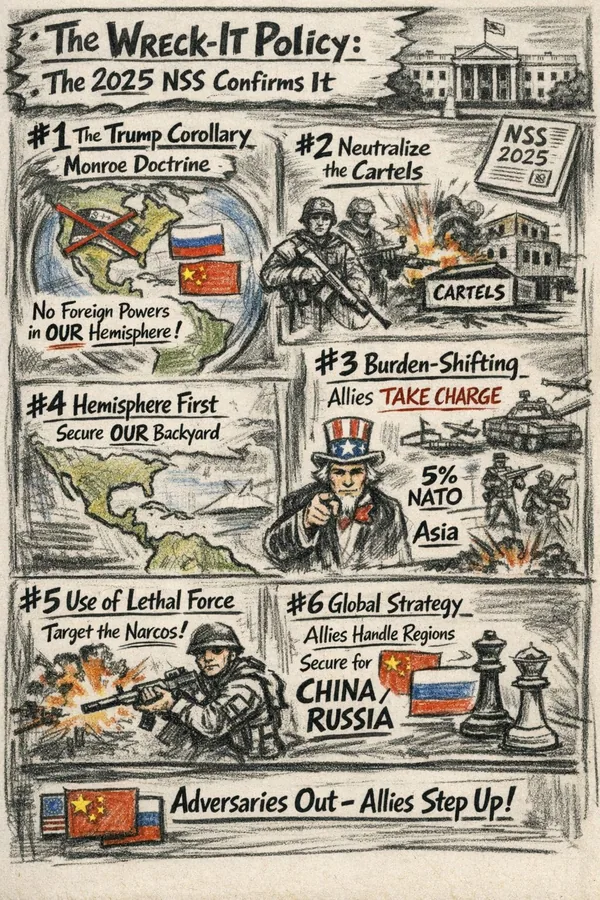
Part two of the analysis: the 2025 U.S. National Security Strategy confirms Washington's shift, as it no longer seeks to reform or negotiate with regimes such as Maduro's.
NOTA-ECO-106 · Economy 5.0
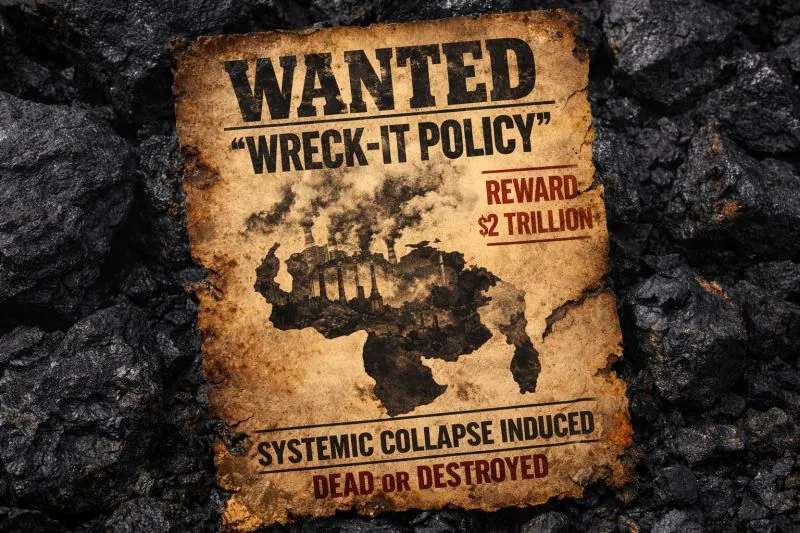
The 2025 U.S. National Security Strategy explicitly validates the Wreck-It Policy framework. What was read as an analyst's hypothesis now appears, on the record, as official doctrine.
NOTA-ECO-107 · Economy 5.0
New Zealand's new Cognitive Wellbeing Budget treats mental health as state infrastructure. The 2025 case reads as evidence that caring for the mind is what keeps an economy standing.
NOTA-ECO-108 · Economy 5.0
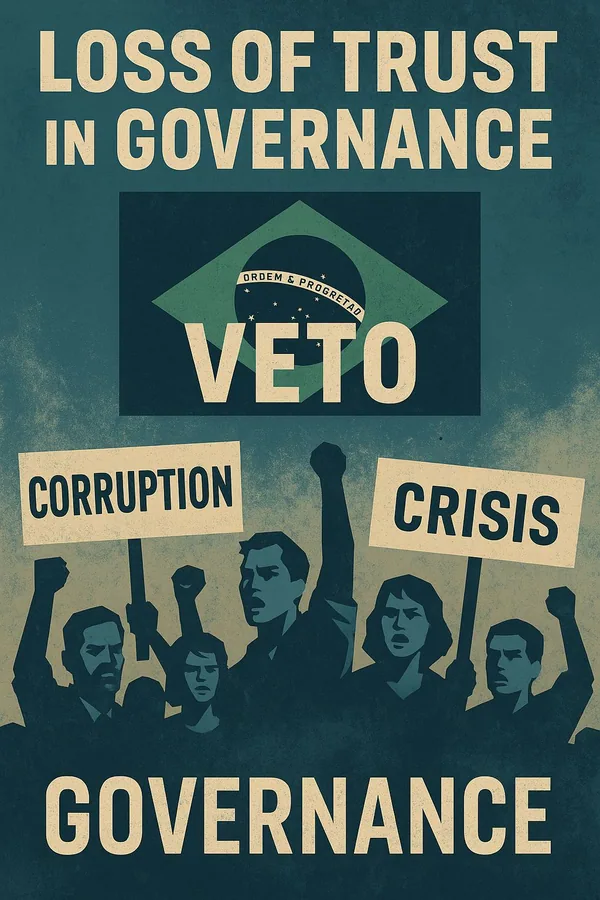
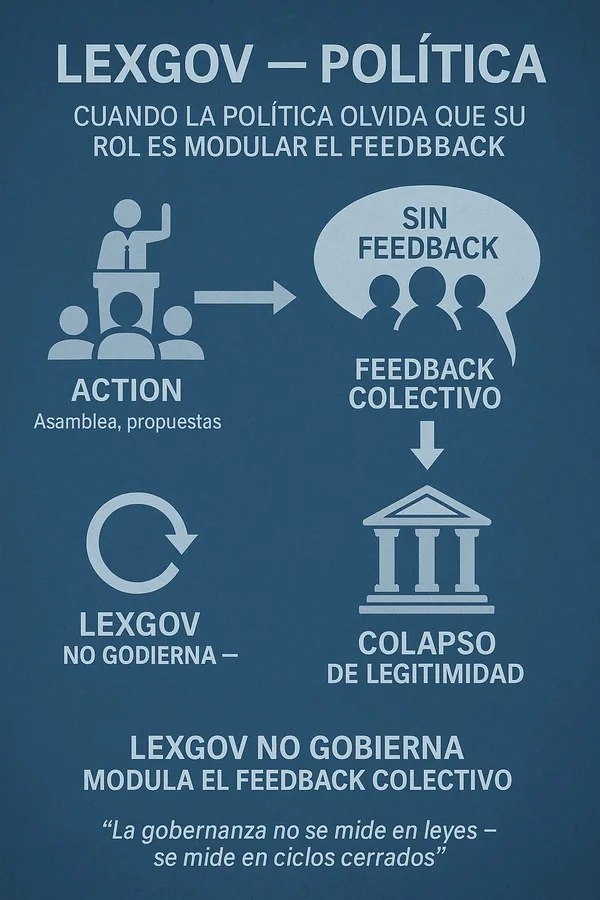
A 2025 case study: the presidential veto of Brazil's anti-corruption law severs the feedback loop between government and citizens, and the legitimacy crisis that follows reads as a modulation failure.
NOTA-ECO-109 · Economy 5.0
Estonia launches its Digital Trust System and social legitimacy climbs 41% in six months. The 2025 case suggests a state that enables governs better than one that imposes.
NOTA-ECO-110 · Economy 5.0
A framework missing from mainstream analysis: some powers would rather see a system collapse than negotiate with it. The piece applies that lens to Venezuela and to how coercion is designed today.
NOTA-ECO-111 · Economy 5.0
For years we believed the limit to progress was capital, talent or demand. The data point elsewhere: available energy is what decides which futures are physically possible at all.
NOTA-ECO-112 · Economy 5.0
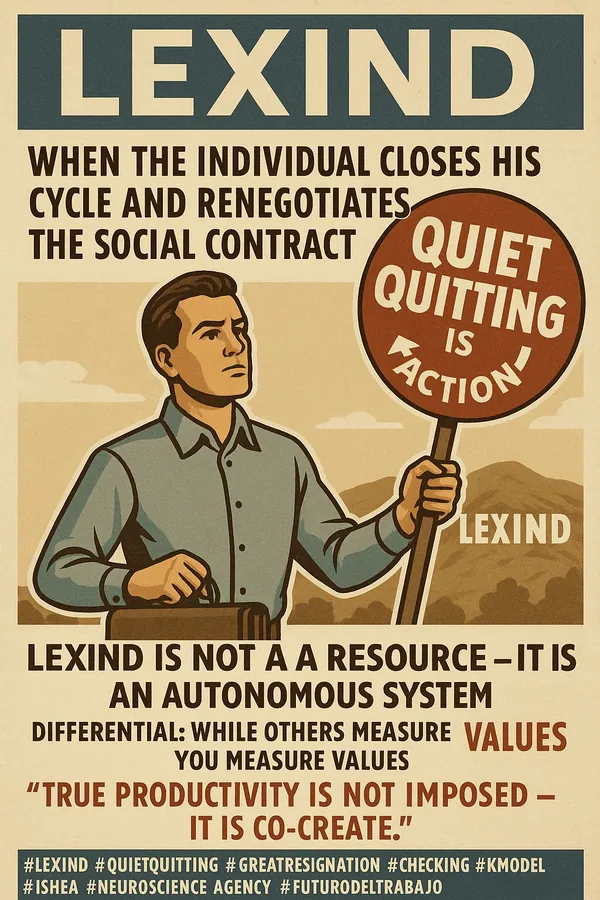
A reading of quiet quitting as action rather than apathy: the LEX marker applied to the individual who withdraws energy from a productivity model that no longer fits a life.
NOTA-ECO-113 · Economy 5.0
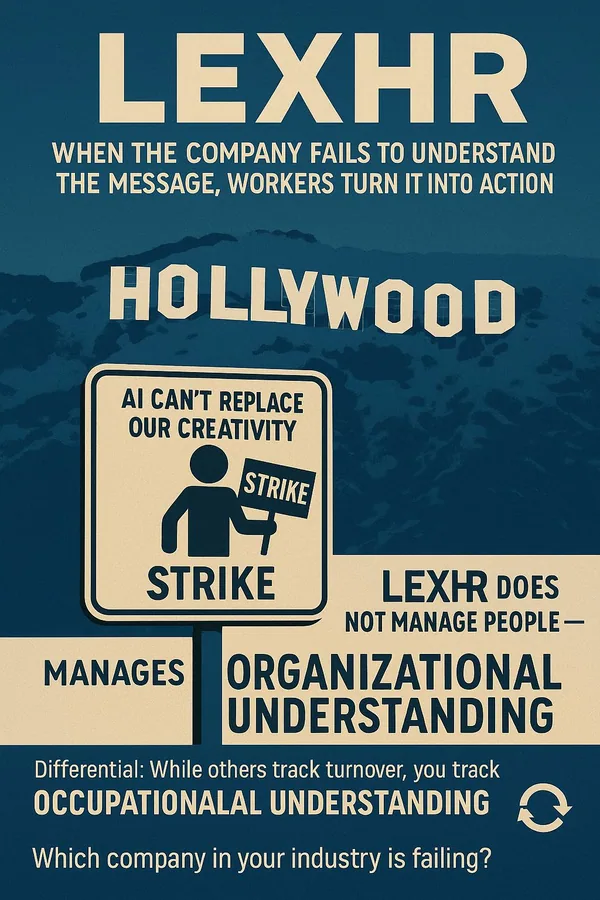
The LEX marker applied to human resources: the Hollywood strike is explained less by the walkout itself than by an industry that never assimilated what its own workers were telling it.
NOTA-ECO-114 · Economy 5.0
The LEX marker in its communicational dimension: in Argentina, a slogan circulating through art and memes stops being a label and becomes a measurable collective pulse against austerity.
NOTA-ECO-115 · Economy 5.0
Chile's rejected constitutional draft was not a political defeat but a tracking failure: the assembly stopped reading the signal of the country it was meant to answer to.
NOTA-ECO-116 · Economy 5.0
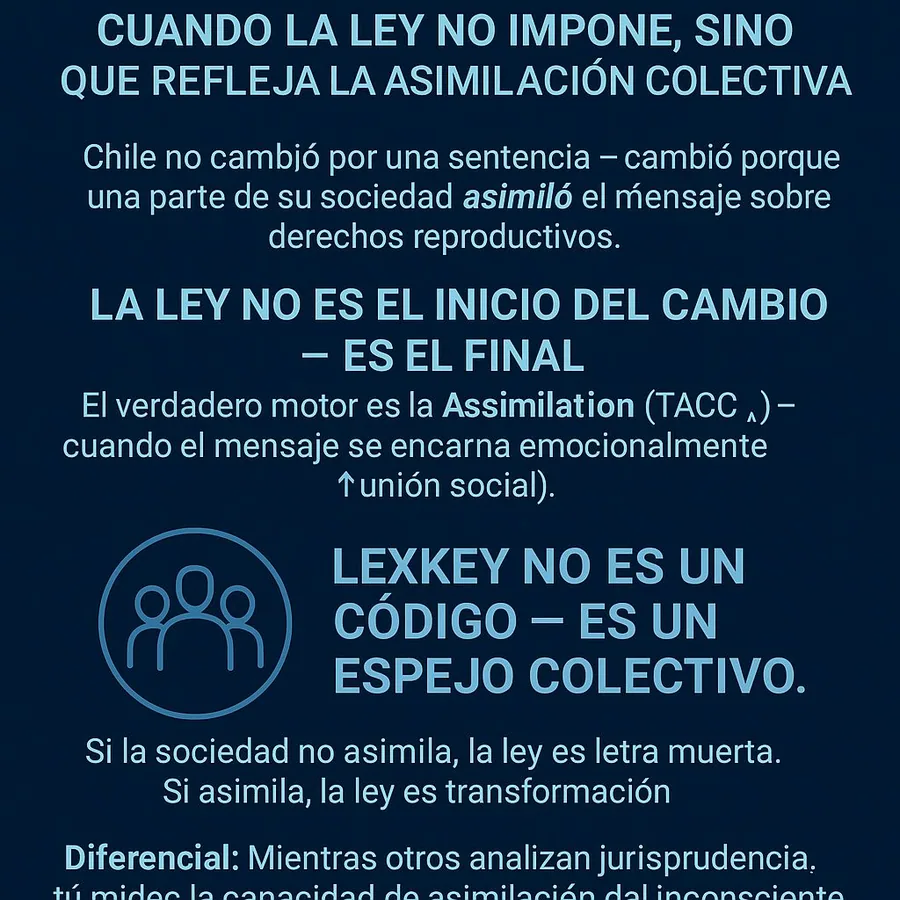
The LEX marker in legal terrain: Chile did not change because of a ruling, but because part of its society had already assimilated the message on rights that the law came to record.
NOTA-ECO-117 · Economy 5.0
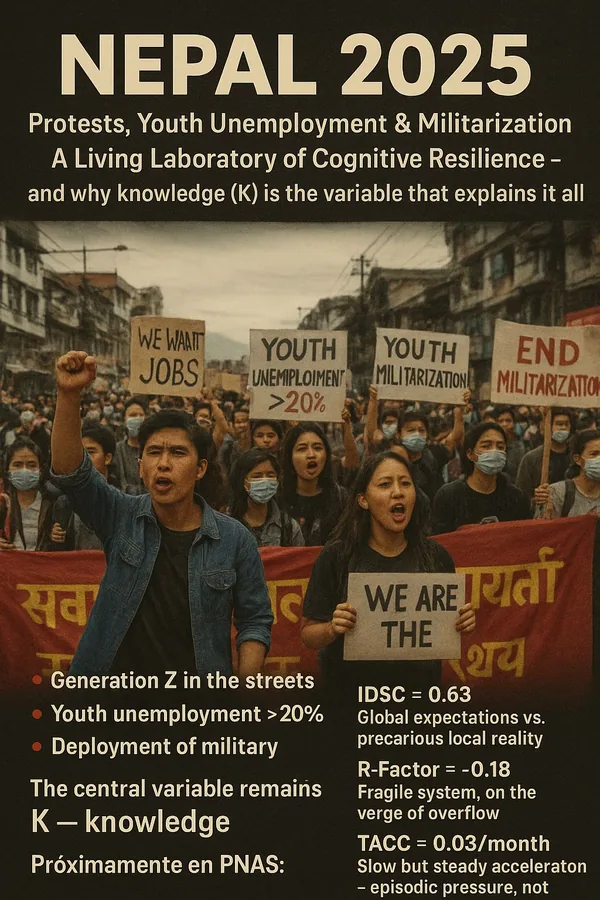
Youth protests, unemployment and militarisation read as a system under stress, where knowledge (K) emerges as the variable explaining whether a country holds together or collapses.
NOTA-ECO-118 · Economy 5.0
The $4.76 million paid to receive deportees, examined not as a migration figure but as the implicit price of the cognitive capital that a country allows to walk away.
NOTA-ECO-119 · Economy 5.0
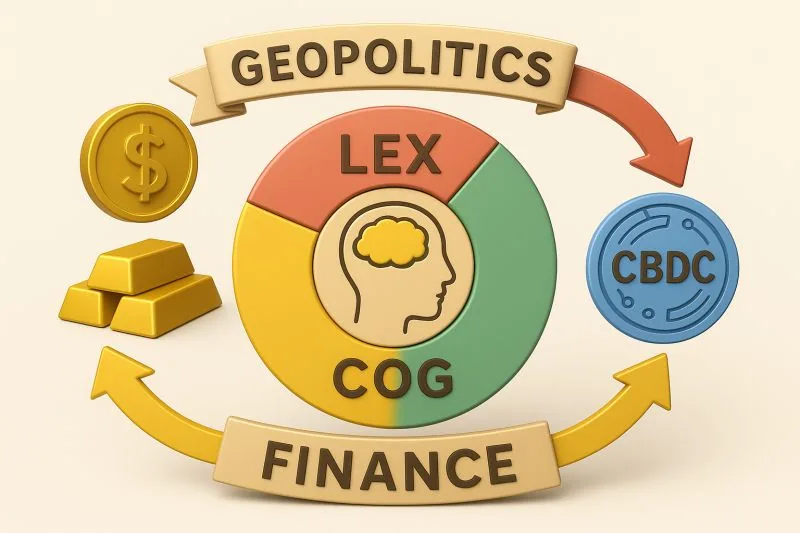
De-dollarisation, gold and cryptocurrencies read as phenomena of collective trust: what moves through the markets is, before capital, the shared cognition of those who decide.
NOTA-ECO-120 · Economy 5.0
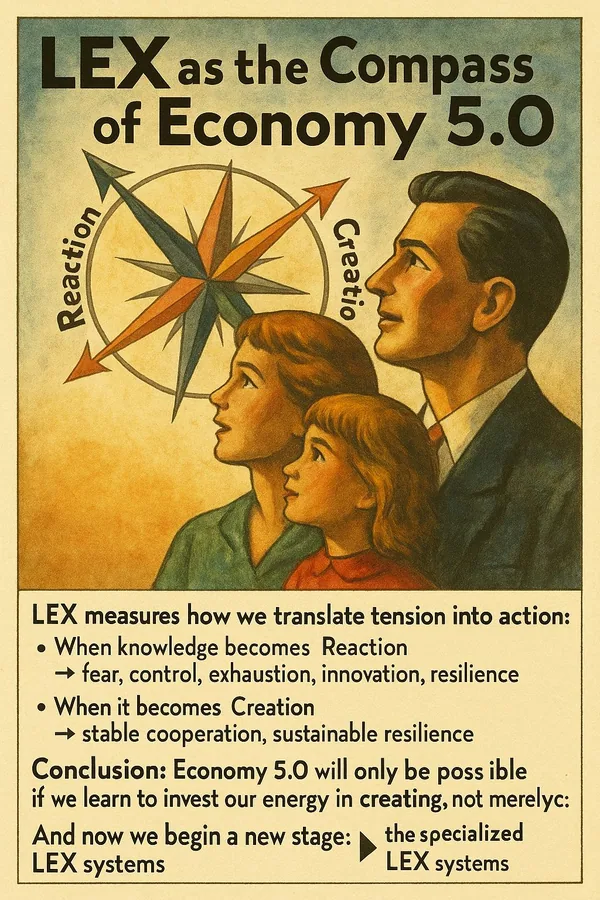
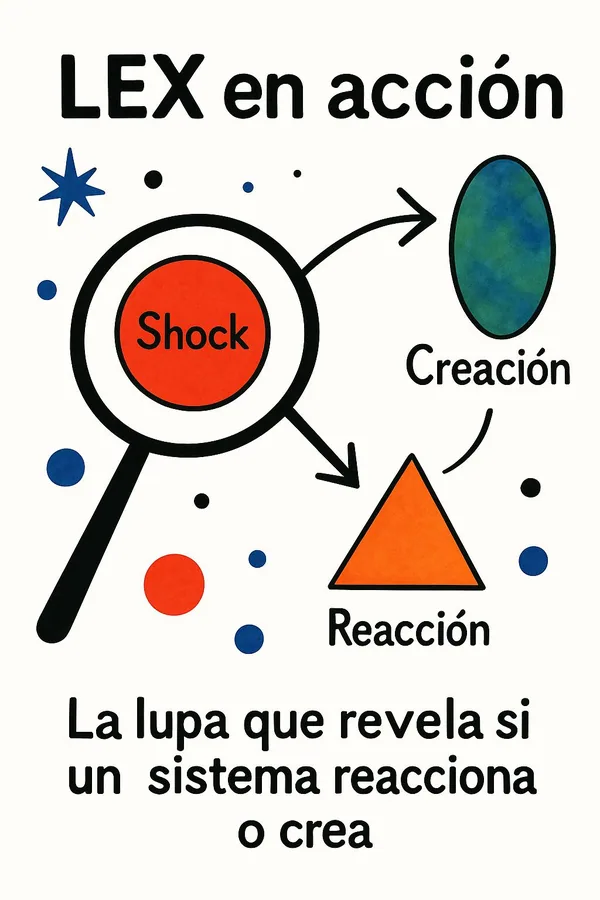
After introducing LEX as the compass that shows whether a system spends its energy on reaction or invests it in creation, this piece maps the specialised variants of the family.
NOTA-ECO-121 · Economy 5.0
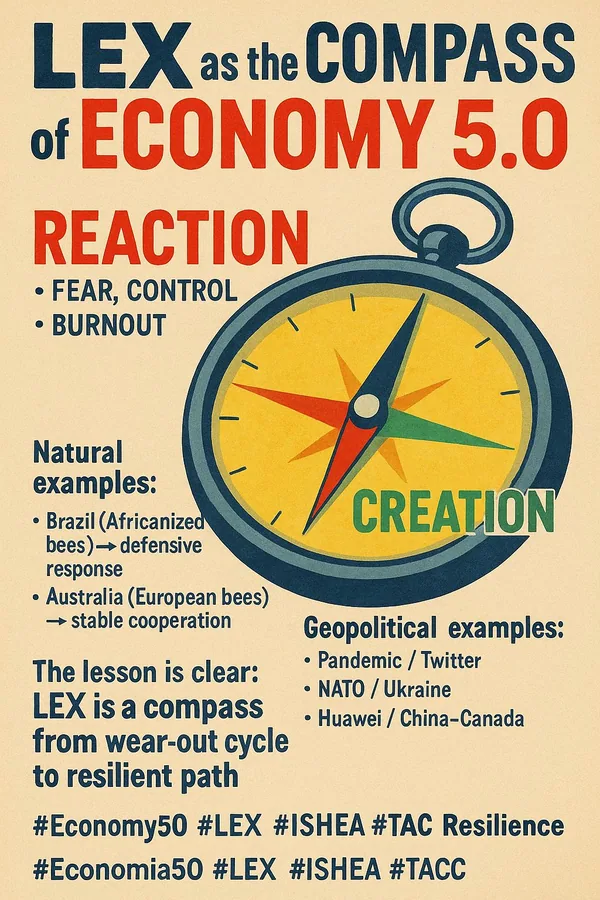
Why the same shock leads one system to collapse and another to resilience: LEX measures how available energy is distributed between reaction and creation within Economy 5.0.
NOTA-ECO-122 · Economy 5.0
The LEX system explains why one and the same shock produces collapse in one case and resilience in another: it all depends on how energy is split between reacting and creating.
NOTA-ECO-123 · Economy 5.0
LEX is a conceptual framework for detecting patterns of stress within systems and tracking how that stress turns into political, social and economic action before it becomes a crisis.
NOTA-ECO-124 · Economy 5.0
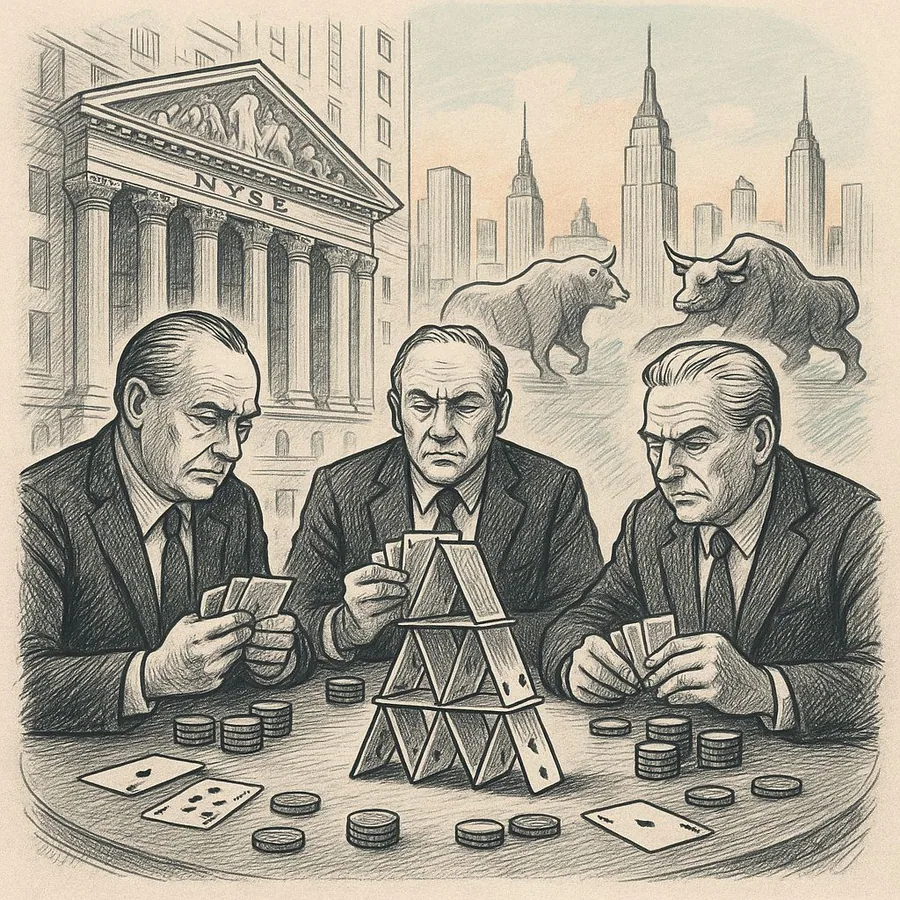
An analysis of the US stock market as both wealth engine and bubble garden: tech valuations growing faster than the real economy they claim to represent.
OSF-ECO-125 · Economy 5.0
The visual identity of the Economy 5.0 framework: a QR-embedded circuit where information is energy and neural lines trace value flowing through human–AI networks, anchored by the Δ+1 symbol.
OSF-ECO-126 · Economy 5.0
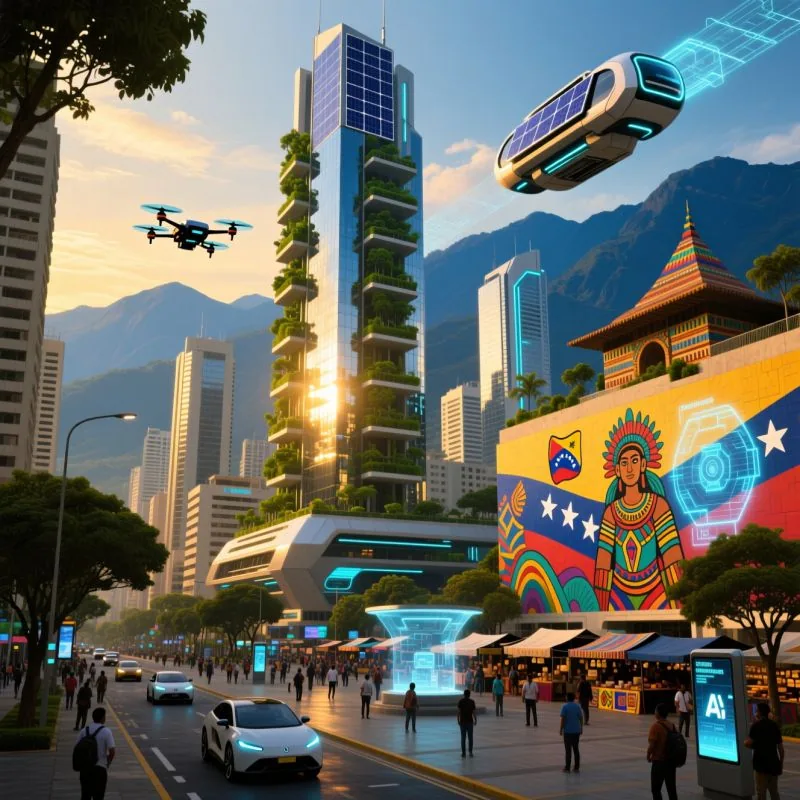
An ISHEA Institute proposal that rethinks Venezuela through Economy 5.0: the vision of a possible country in which energy, knowledge and systemic coherence come before resource rent.
OSF-ECO-127 · Economy 5.0
A reading of the United States economy through the K-Model: it measures the knowledge density that sustains growth and shows where apparent expansion parts from its productive base
NOTA-ECO-128 · Economy 5.0
A proposal for structural transformation in Venezuela: not restoring the rentier model, but replacing it with resilient education and a knowledge-based economy.
NOTA-ECO-129 · Economy 5.0
When the masks come off, markets reveal their real structure: behind flawless narratives usually hides a fragility that no story can hold up for long.
NOTA-ECO-130 · Economy 5.0
The channel's opening video: it introduces the K-Model and the purpose behind it, to measure the knowledge density of a society and give it back in the form of shared action
NOTA-ECO-131 · Economy 5.0
The warning of an energy bomb in Colombia, examined against the data: where political alarm ends and Ecopetrol's real structural risk begins.
OSF-ECO-132 · Economy 5.0
Within the ISHEA–Economy 5.0 framework, it names hollow growth: GDP, credit and consumption expanding while structural density falls away. Japan, China and the United States as case studies
OSF-ECO-133 · Economy 5.0
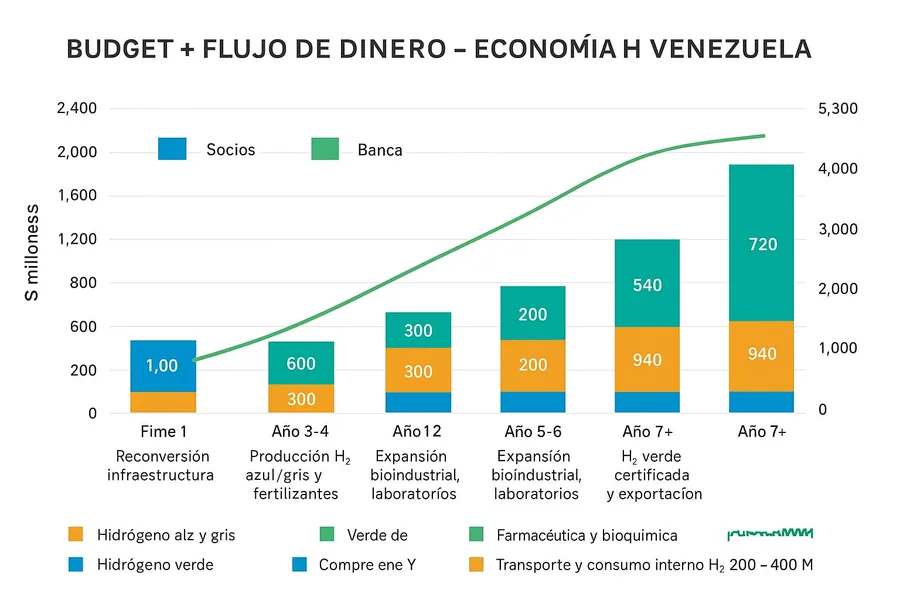
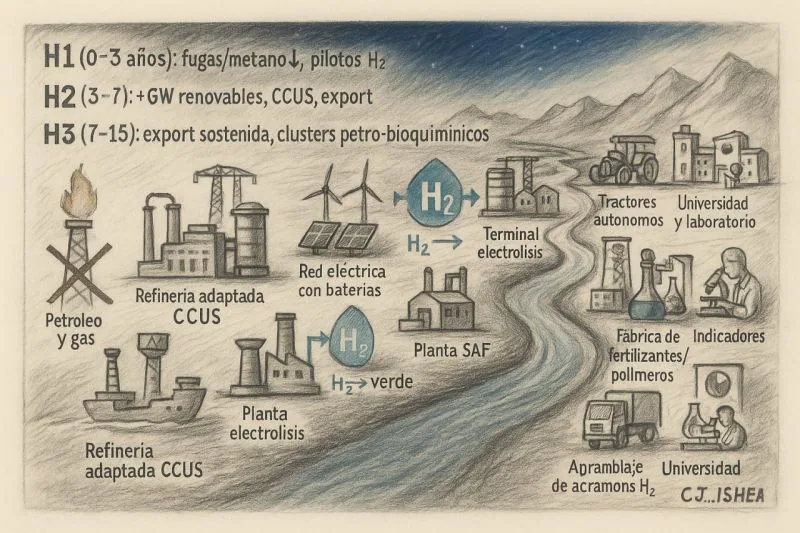
A road map for a blue and green hydrogen cluster with integrated bioindustry, designed to diversify Venezuela's economy, replace imports and create high-quality employment.
NOTA-ECO-134 · Economy 5.0
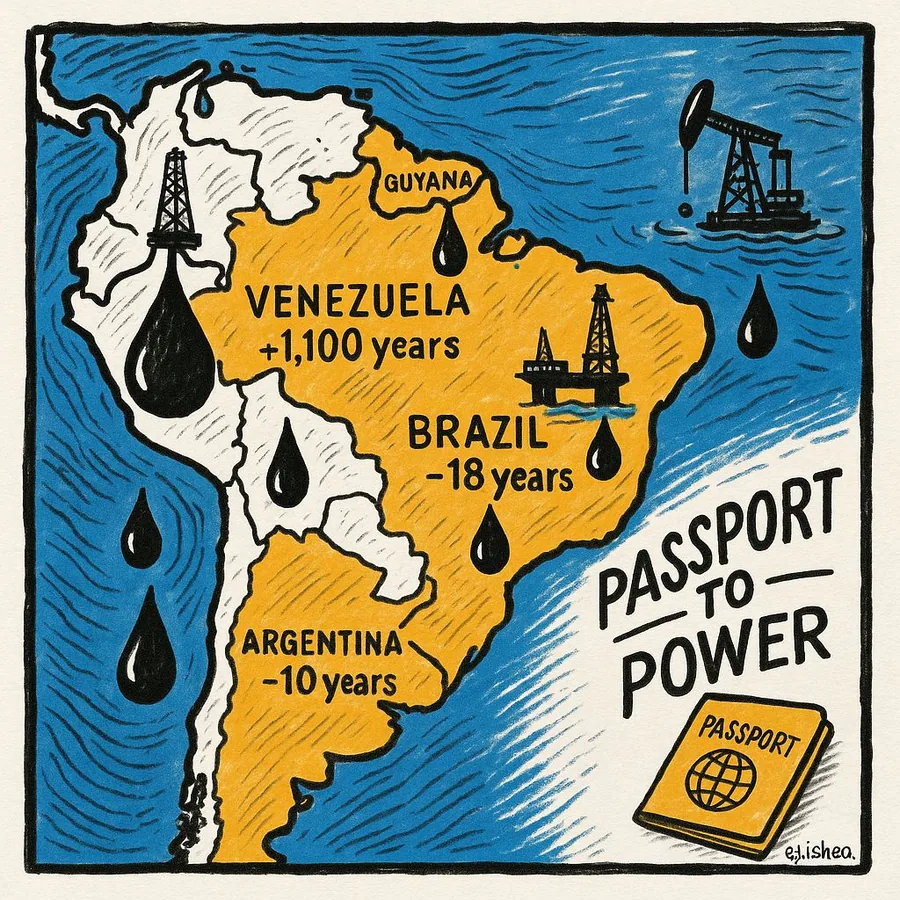
Brazil, Guyana, Suriname and Argentina are hailed as the new stars of oil while the continent leaves its own energy poverty unsolved: the contradiction no one names in the meeting rooms.
OSF-ECO-135 · Economy 5.0
An accounting proposal to record knowledge and other intangible assets in a current account of their own, a necessary condition for any post-GDP measure of value.
NOTA-ECO-136 · Economy 5.0
The real revolution is not more technology but a new economic structure: from the industrial model of the nineteenth and twentieth centuries to Economy 5.0, where people are no longer defined by their output.
OSF-ECO-137 · Economy 5.0
An integrated conclusion to the K-Model: knowledge as a pure message that triggers the TACC cycle and a neurochemical cascade, linking individual resilience to civilizational scale.
OSF-ECO-138 · Economy 5.0
A transdisciplinary framework that reads knowledge as a pure message, coupling it to cognitive tension (TACC) and homeostasis to measure real progress post-GDP across some 150 countries.
NOTA-ECO-139 · Economy 5.0
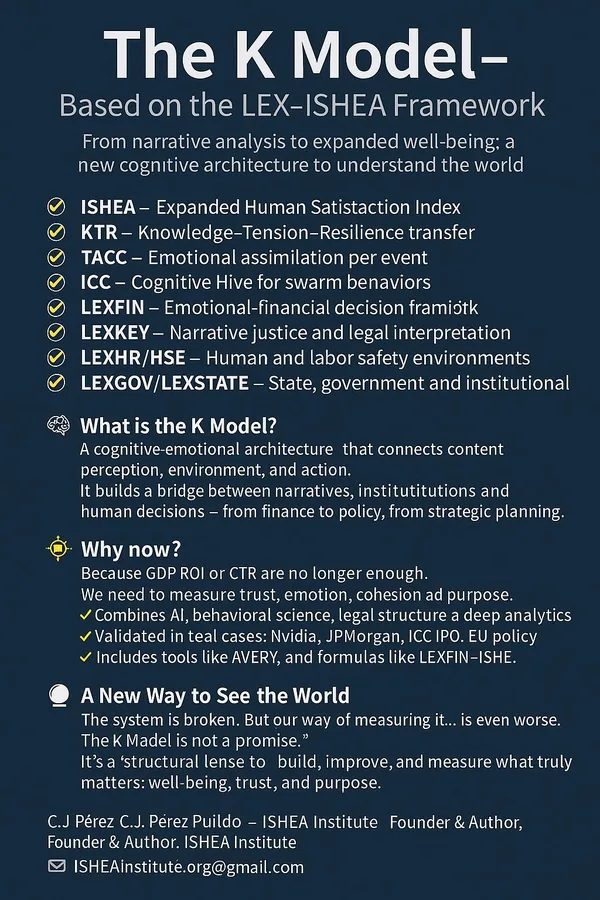
Not a formula but a living framework: the K-Model turns narrative analysis into a cognitive architecture for reading the world and expanding what we are willing to count as well-being.
OSF-ECO-140 · Economy 5.0
Markets, computing and armies read as a single architecture: they fail when purpose drifts from real value, when transmission is corrupted, or when resilience runs short. ISHEA as a transversal law of stability.
OSF-ECO-141 · Economy 5.0
K-Flow describes how a system's purpose emerges, travels and holds. Fifteen years of democracies and authoritarian regimes serve as a testbed: where the flow is blocked, systemic tension accumulates.
OSF-ECO-142 · Economy 5.0
The complete Economy 5.0 book: methodology, variables and validation of the ISHEA Index, a 0 to 25 scale that measures real wellbeing beyond GDP by combining objective data and subjective perception.
OSF-ECO-143 · Economy 5.0
Seventeen foundational chapters diagnose the inverted production pyramid, the data war and the cognitive paradox, then propose three measuring instruments: ISHEA, the Cognitive Account and the KTR Index.
OSF-ECO-144 · Economy 5.0
The narrative edition of the Economy 5.0 book: a full structured account of the methodology, the ISHEA Index variables, their validation and their implementation.
OSF-ECO-145 · Economy 5.0
A transdisciplinary narrative tracing knowledge as a living process, from the first self-replicating molecule to artificial intelligence, through the fractal cycle of TRAM, TED, ROV and TACC.
OSF-ECO-146 · Economy 5.0
The reference edition of Economy 5.0: a fully structured treatment of the methodology, the ISHEA Index variables, their statistical validation and their implementation.
OSF-ECO-147 · Economy 5.0
A proposal built on two original tools: the ISHEA Index, a post-GDP metric combining well-being, sustainability and governance, and TACC, a cognitive cycle for acting under stress.
OSF-ECO-148 · Economy 5.0
A universal rule of systemic transition: every closure or entropy point opens a further cycle. Integrated into the ISHEA Index, the ICC and the K-Model, it reads resilience as regeneration.
OSF-ECO-149 · Economy 5.0
A modular open-science framework for analysing and anticipating the behaviour of complex systems: it integrates the TACC–ICC circuit and the LEX subsystems over a panel of some 150 countries, 2015–2024.
OSF-ECO-150 · Economy 5.0
Building on Maslow, Sen and Raworth, the index weights well-being, adjusted progress, ecological sustainability and the role of the state, adding fiscal penalty and institutional anchors.
OSF-ECO-151 · Economy 5.0
Preregistration of the K-Model: hypotheses, falsification criteria and design for a longitudinal panel of some 150 countries (2015–2024) linking TACC, KTR and the LEX subsystems to collective behavior.