NOTA-COG-001 · Collective cognition
A reading of the PISA 2025 results and the signal they send about performance across OECD countries: the suspicion that speeding up learning may end up hollowing it out.
NOTA-COG-002 · Collective cognition
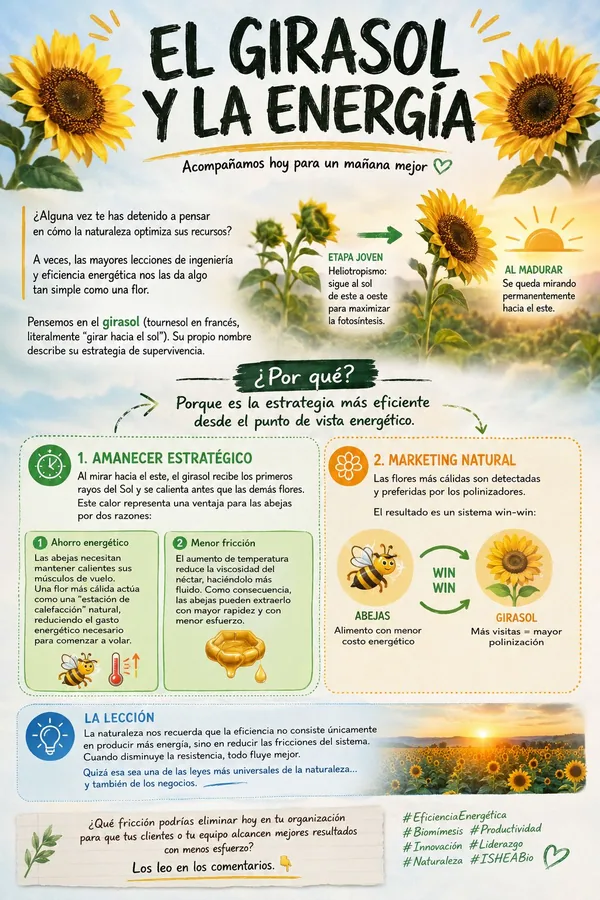
How nature optimises its resources: the sunflower turns its geometry into a lesson in engineering and energy efficiency that human technology is still trying to match.
OSF-COG-003 · Collective cognition
A repository in preparation for ICSD, the cognitive state dynamics model; it opens the space where the materials of the EICI + TACC framework will be deposited as the research advances.
OSF-COG-004 · Collective cognition
A theory of innovation as a cognitive phase transition: joining the EICI criterion to the TACC cycle, it distinguishes four internal regimes an organization can occupy before it innovates.
NOTA-COG-005 · Collective cognition
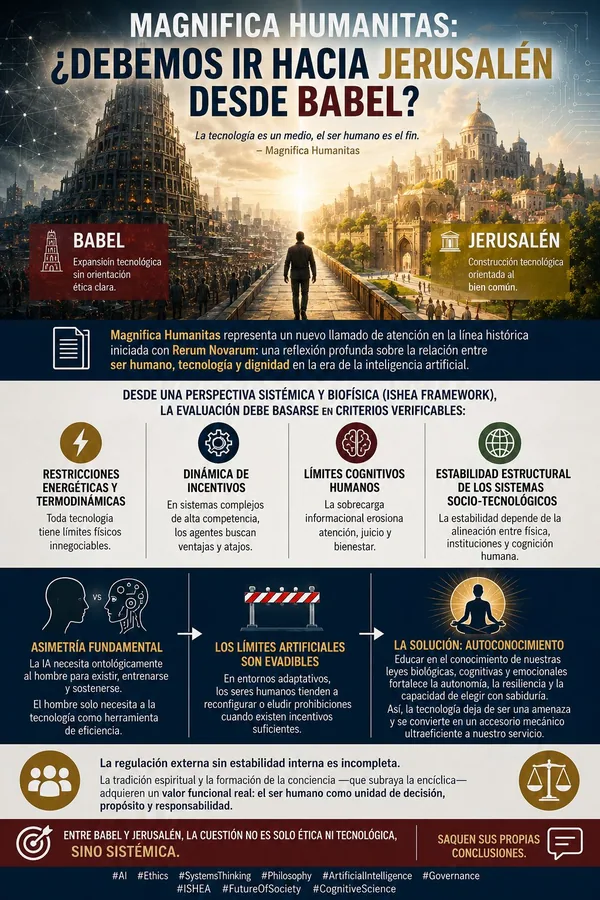
A reading of the encyclical Magnifica Humanitas as an ethical compass for artificial intelligence: two possible futures, the dispersion of Babel or the convergence of Jerusalem.
NOTA-COG-006 · Collective cognition
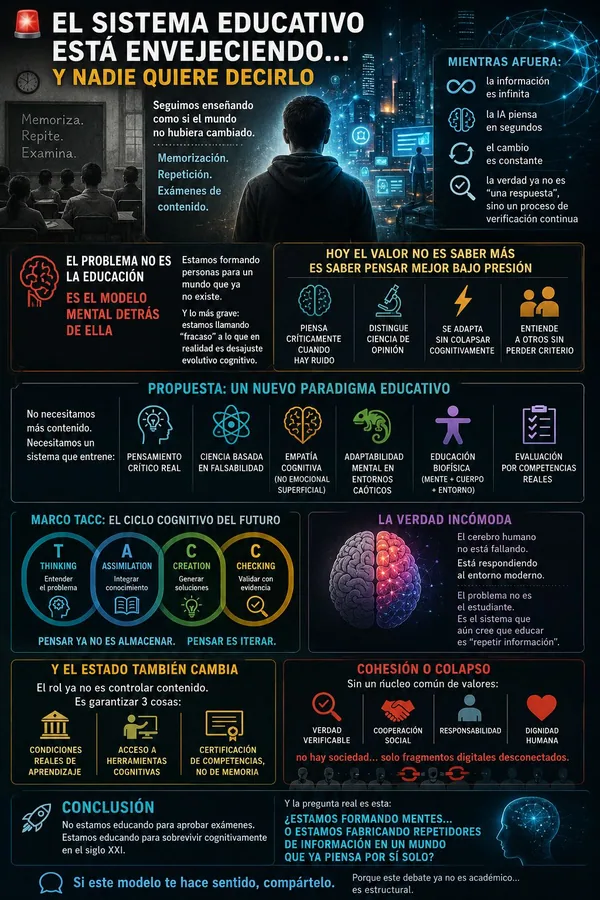
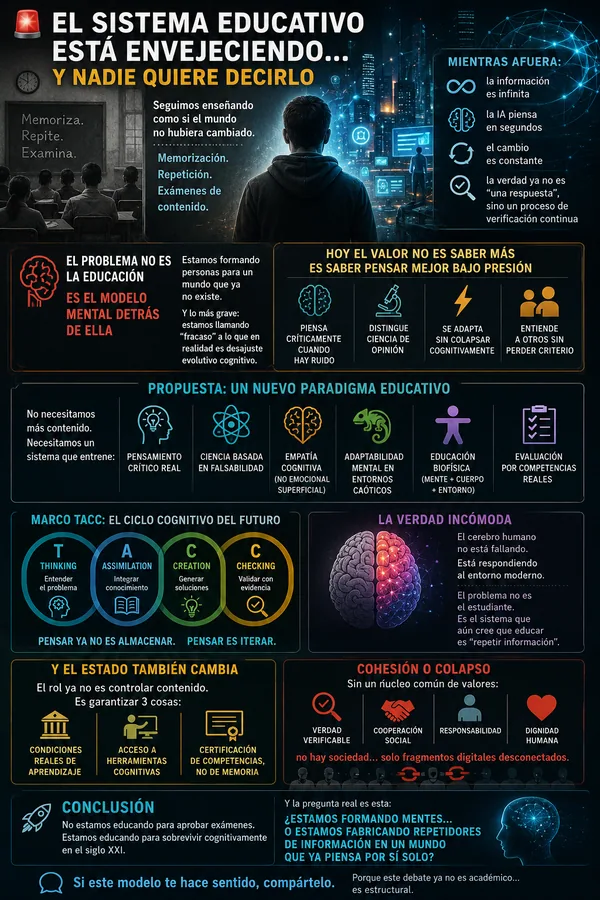
Memorisation, repetition and content-based exams still define the classroom while the world outside rewrites its rules: a critical reading of the gap between school and reality.
OSF-COG-007 · Collective cognition
A repository in preparation on the design of the learning environments to come; it opens the space where the materials of this line of educational research will gradually be deposited.
NOTA-COG-008 · Collective cognition
A short acknowledgement of a piece of strategic analysis and forward vision, within the public conversation the ISHEA Institute follows and takes part in.
NOTA-COG-009 · Collective cognition
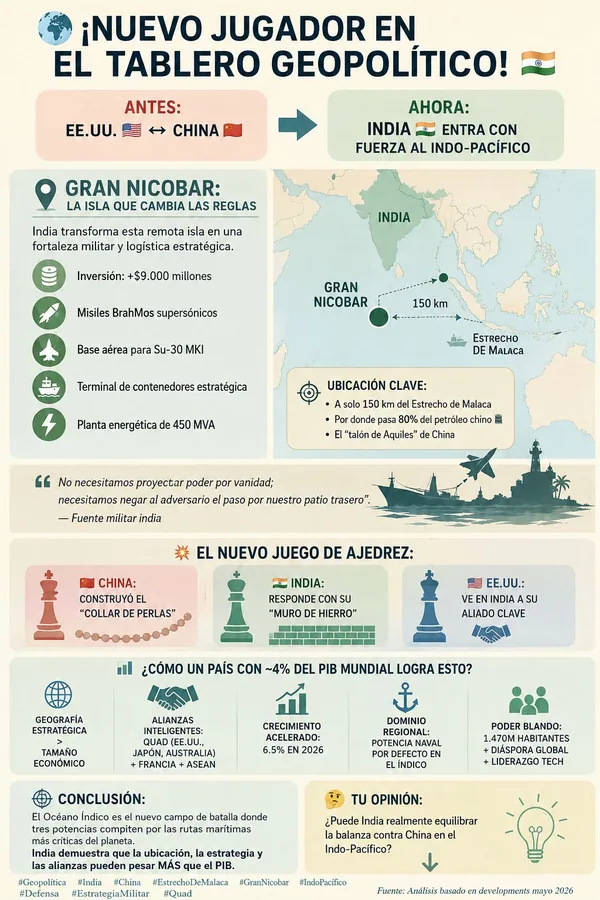
An analysis of the strategic shift in the Indo-Pacific: India enters a board long dominated by the United States and China, with Great Nicobar as the quiet piece redrawing the routes.
NOTA-COG-010 · Collective cognition
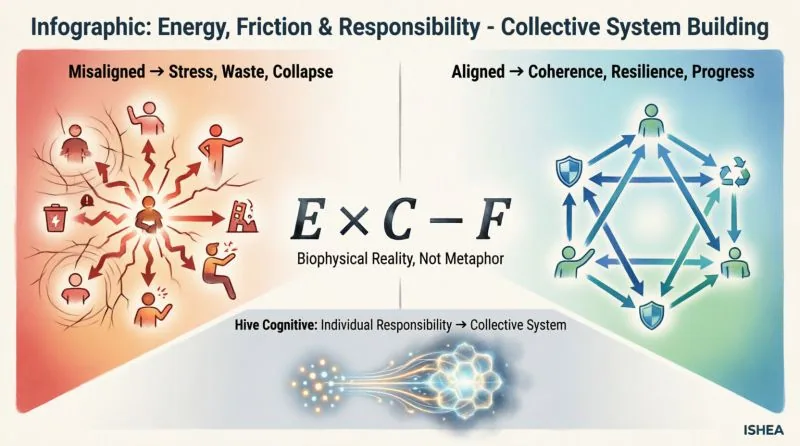
An April reflection from Biofísica: Limit of Humanity. Energy is finite, friction is never neutral, and responsibility emerges where the two meet in every system we build.
NOTA-COG-011 · Collective cognition
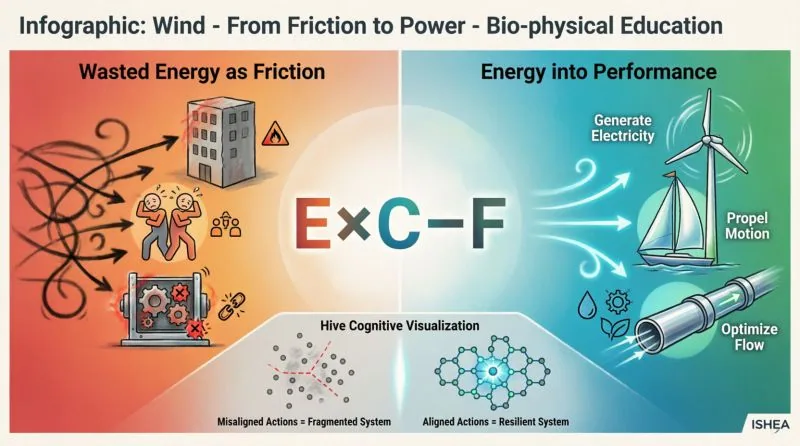
Energy spent as friction is energy lost. The piece argues that bio-physical education converts that waste into performance, using wind as the working image of the transformation.
OSF-COG-012 · Collective cognition
A conceptual framework that reads ADHD not as a deficit but as a configuration whose performance depends on context, where coherence emerges from available energy and clear information minus friction.
OSF-COG-013 · Collective cognition
Derived from the ISHEA Δ±1 framework and grounded in a high-volume logistics warehouse: penalizing the fastest workers with fewer hours dismantles motor automatism and erodes sustainable productivity.
NOTA-COG-014 · Collective cognition
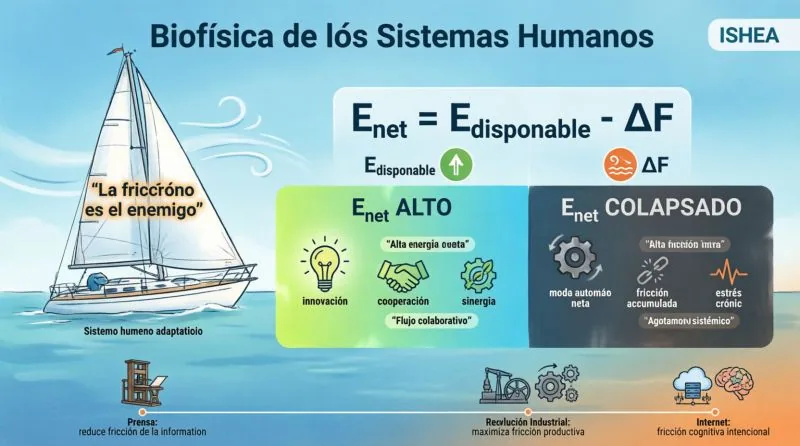
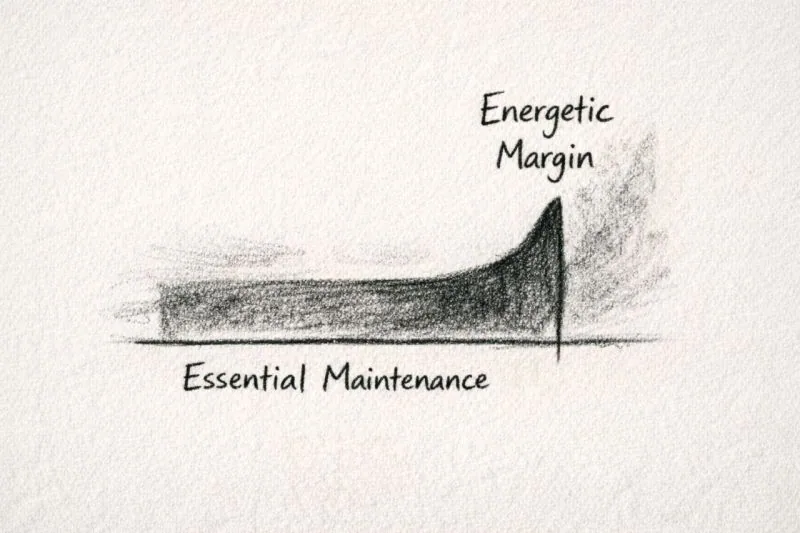
The central statement of Biophysics: The Limit of Humanity. A human system sustains complex processes only while its net internal energy exceeds the external friction wearing it down.
NOTA-COG-016 · Collective cognition
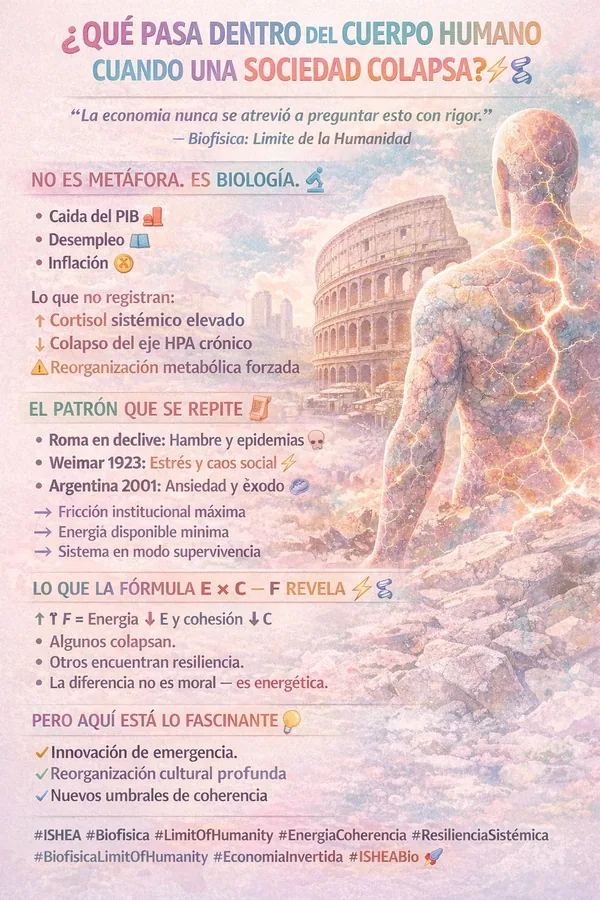
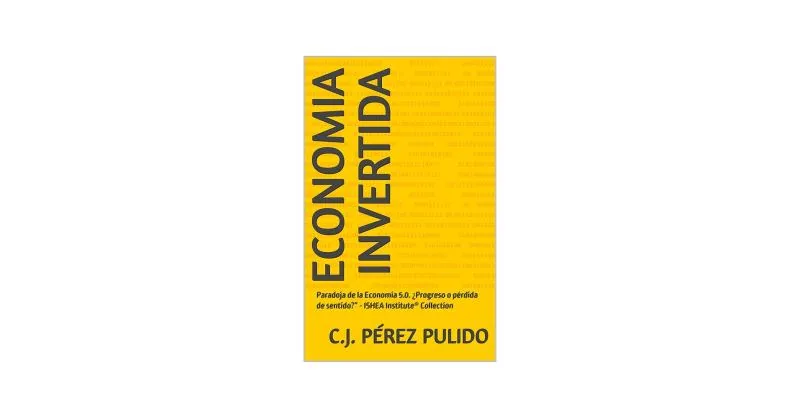
Biophysics: Limit of Humanity traces social collapse from GDP down to the cell. Economics never dared to ask this question rigorously.
NOTA-COG-017 · Collective cognition
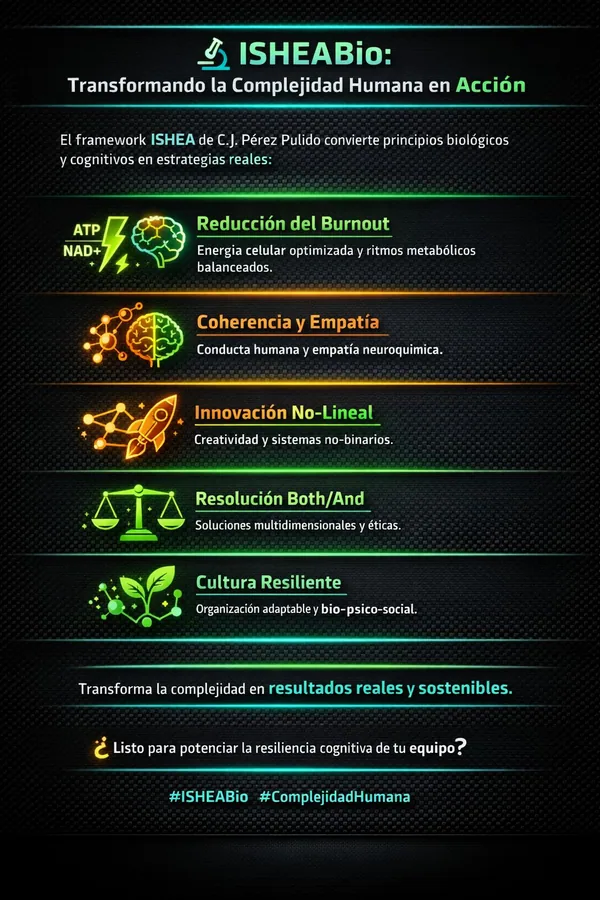
The ISHEA framework, proposed by C. J. Pérez Pulido, translates biological principles into actionable decisions. Human complexity ceases to be an abstract concept.
NOTA-COG-018 · Collective cognition
A critical reading of the new hemispheric rhetoric: curbing the cartels would be welcome news, yet real cooperation must be told apart from old tutelage in a superhero costume.
NOTA-COG-019 · Collective cognition
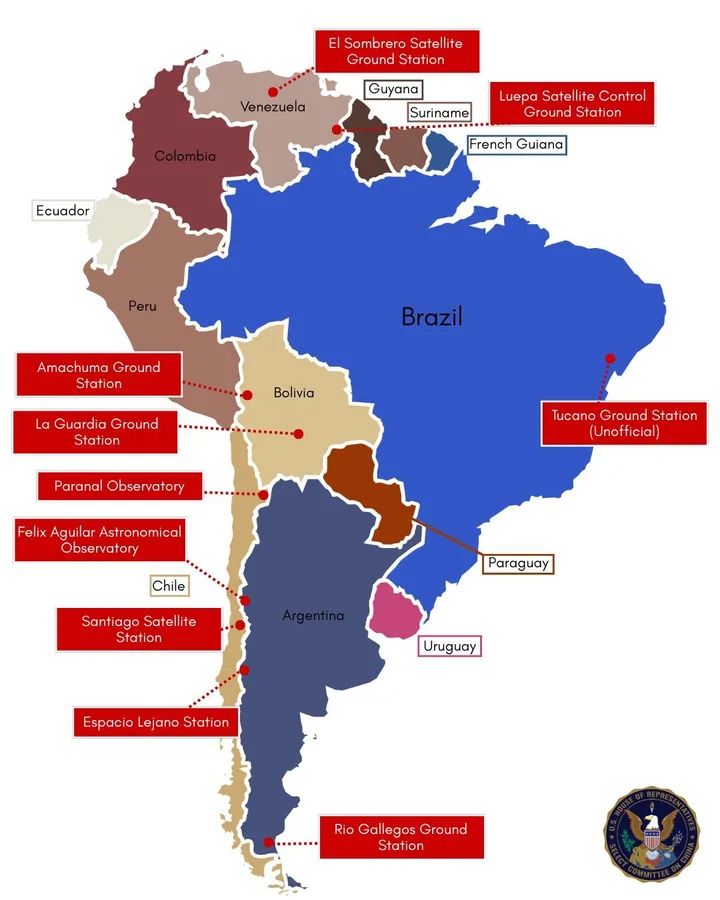
A reading of Latin America's infrastructure through the ISHEA thesis on critical nodes: civilian projects that quietly concentrate control and turn ordinary cooperation into strategic dependency.
NOTA-COG-020 · Collective cognition
A short notice from the archive: the ISHEA Institute announces that its new materials are now available. A publication note that dates the moment the work went into circulation.
NOTA-COG-021 · Collective cognition
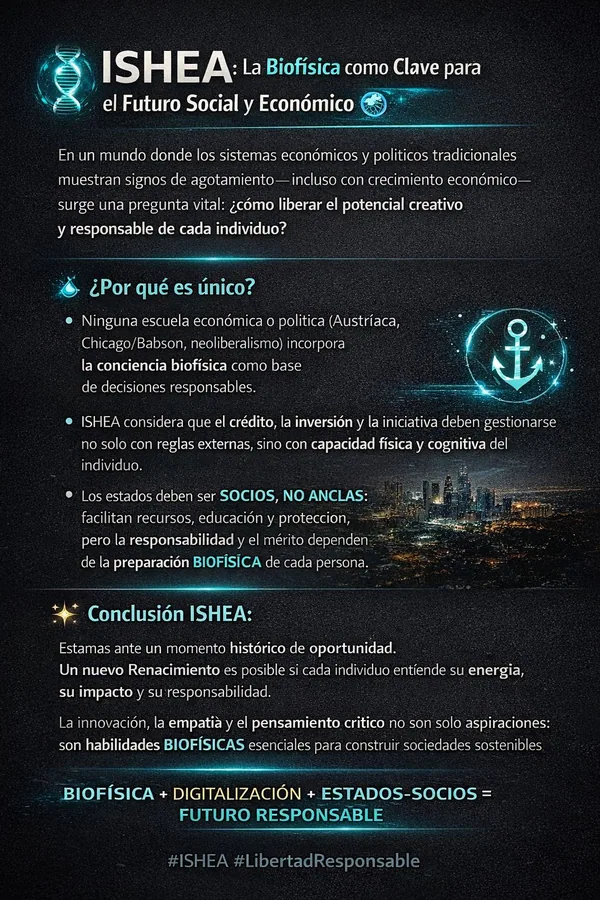
As economic and political systems show signs of exhaustion even amid growth, this piece proposes biophysics as the foundation for redesigning social and economic organisation.
NOTA-COG-022 · Collective cognition
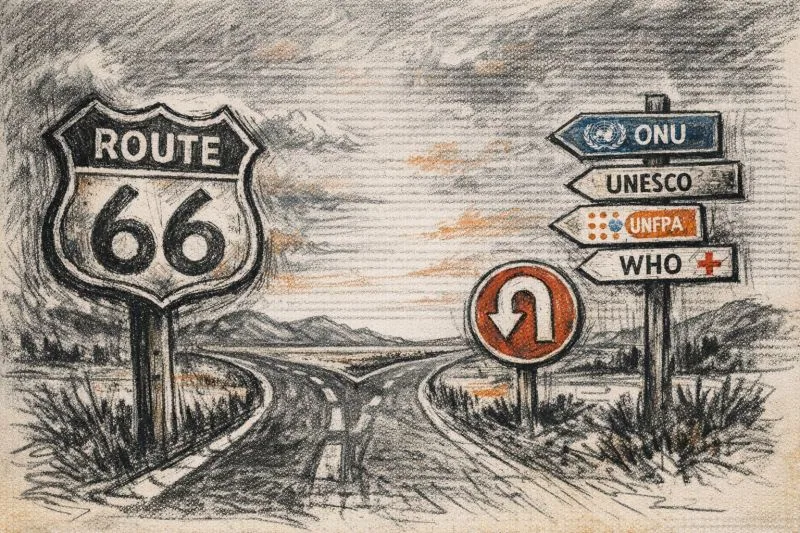
Sixty-six international organizations, one executive order: the January 2026 withdrawal of the United States read as a systemic retreat rather than a policy adjustment, and what it costs in coherence.
NOTA-COG-023 · Collective cognition
A caricature that pits geopolitical urgency against institutional coherence. Beneath the satire lies a diagnosis: the international order now faces hybrid actors its rules were never written for.
NOTA-COG-024 · Collective cognition
A year-end review of the lessons from the conference on aging and human systems, tied to a larger question: how energy organizes old age, cognition and institutions alike.
NOTA-COG-025 · Collective cognition
The world measures economy, GDP and growth, yet overlooks the fragile cognitive dimension of societies. This conceptual proposal places collective mental resilience among the indicators that matter.
NOTA-COG-026 · Collective cognition
A reading of Karen Hao's book on OpenAI: how a company that promised to open artificial intelligence ended up building an empire, and what that reveals about the power behind it.
OSF-COG-027 · Collective cognition
A preliminary entry on extracellular vesicles, the messengers that carry signals between cells and link the energetic state of the body to cognitive function. Research still in progress
NOTA-COG-028 · Collective cognition
The High Seas Treaty is now a reality, curbing deep-sea mining: a historic pact that places the integrity of the ocean above the extraction of everything it holds.
OSF-COG-029 · Collective cognition
Behavioral DNA is proposed as a central code binding biology, cognition and social structure. Three levels of stewardship and pilot data turn ISHEA–LEX into a model of well-being governance.
OSF-COG-030 · Collective cognition
A dual-index system measuring collective cognitive health and its deterioration, joined to the LEXCOG model that separates explicit language from implicit patterns. Validated in 38 countries, 2010–2025.
OSF-COG-031 · Collective cognition
Auxiliary analytical material from the ISHEA cognition line, preserved as working documentation alongside the main studies rather than as a self-contained result.
OSF-COG-032 · Collective cognition
New York 2003, Brazil 2009, India 2012 and the European gas crisis read as failures of purpose, transmission and resilience: infrastructure collapsing much as cognition does under stress.
OSF-COG-033 · Collective cognition
A decade of burnout and suicide in South Korea, read through the 2018 labor reform and the IDCS index, tests how purpose, transmission and resilience hold up under sustained systemic stress.
OSF-COG-034 · Collective cognition
From Rome and the Maya to the world wars and globalization, civilizations rise and fall with the alignment of purpose, transmission and resilience, in long cycles read through ISHEA.
OSF-COG-035 · Collective cognition
Myths, rituals and narratives are the channels through which a culture transmits its purpose. When that transmission fragments, the collective bond erodes: an anthropological validation of ISHEA.
OSF-COG-036 · Collective cognition
Three contemporary cases, Trump's populism, TikTok's algorithmic echo chambers and the GameStop financial swarm, show how fragmented transmission and cognitive tension break a shared sense of purpose.
OSF-COG-037 · Collective cognition
The Cognitive-Sanitary Deterioration Index works as a proxy for systemic stress: the higher its value, the greater the cancer incidence, obesity, suicide rates and premature mortality in a population.